Let's cut to the chase. You're here because you love creamy peanut butter, but that nutrition label gives you pause. 190 calories per two-tablespoon serving? It sounds like a lot. For years, I treated that jar with a mix of craving and guilt, meticulously scraping a thin layer onto my toast, convinced it was a "sometimes" food at best. I was wrong. Focusing solely on that calorie count is like judging a book by its word count—you miss the entire story. The calories in creamy peanut butter aren't just empty numbers; they're packets of sustained energy, satiety, and nutrition. The real question isn't "how many," but "what kind" and "how to use them."
What You'll Learn in This Guide
The Basic Math: Where Do Those Calories Come From?
First, the raw data. According to the USDA FoodData Central, a 2-tablespoon (32-gram) serving of creamy peanut butter made from just peanuts provides roughly 191 calories. But that's the pure, unadulterated version. Your standard supermarket jar tells a slightly different story.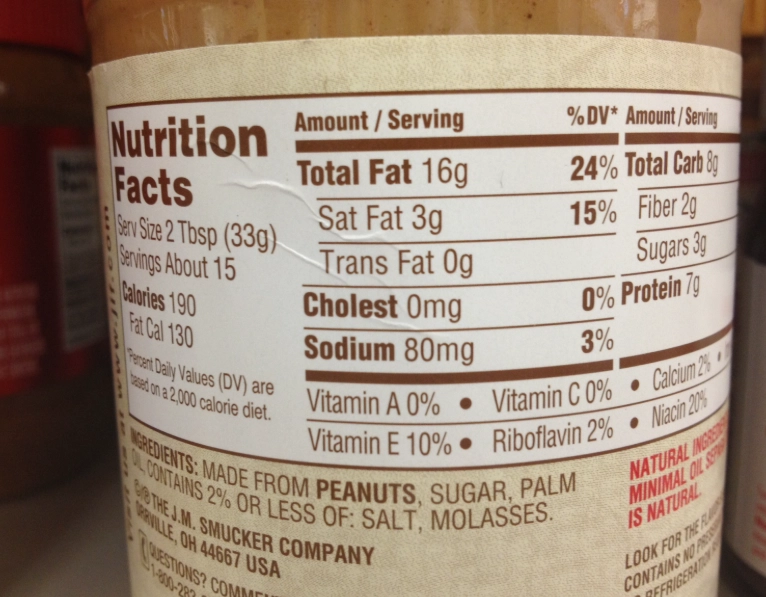
Those 190-210 calories break down almost exclusively into three macronutrients: fat, protein, and carbohydrates.
Here's the typical profile for a major brand like Jif Creamy per 2-tbsp serving:
- Total Fat: 16g (about 144 calories). This is predominantly monounsaturated and polyunsaturated fat—the heart-healthy kinds. Even with a small amount of added hydrogenated oil for stability, the majority of the fat is good fat from the peanuts themselves.
- Protein: 7g (about 28 calories). This is the magic ingredient for fullness. Seven grams is comparable to a large egg.
- Total Carbohydrates: 8g (about 32 calories). This includes 2-3 grams of fiber and usually 3-4 grams of added sugars in conventional brands.
Do the math: 144 + 28 + 32 = 204 calories. The slight discrepancy from the label's 190 is due to rounding and the non-caloric components like fiber. The point is, over 70% of the calories come from fat. But before you panic, remember this isn't the saturated fat from a cheeseburger. It's the kind that helps manage cholesterol and keeps you full for hours.
I used to buy the "low-fat" versions, thinking I was being smart. Big mistake. To make up for the removed fat (and lost flavor/creamy texture), they often pump in more sugar or refined carbohydrates. You end up with a product that's less satisfying, potentially spiking your blood sugar more, and not even that much lower in calories. The full-fat original is almost always the better choice.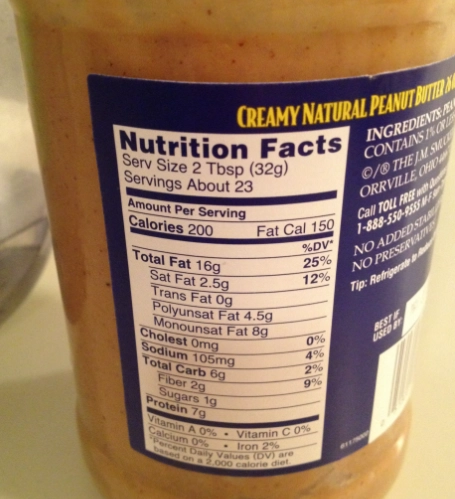
A Quick Brand Breakdown: Jif, Skippy, and Natural
Not all creamy peanut butters are created equal, and the calorie count can be a clue to what's inside. Let's look at three common types.
Conventional (Jif Creamy, Skippy Creamy): These sit around 190-200 calories per serving. They contain added sugars (like molasses), hydrogenated oils (to stop oil separation), and salt. The added oils can slightly alter the fat profile and lower the calorie density per gram compared to a pure peanut product. The texture is consistently smooth and spreadable straight from the fridge.
"Natural" Style (Jif Natural, Skippy Natural): These often have a similar calorie count, maybe 5-10 calories less. They typically remove the hydrogenated oils but still contain added palm oil (or similar) for stability and added sugar. You might see "stirring required" on the label. The taste is closer to pure peanut but with maintained spreadability.
True Natural (Just peanuts & salt): This is where calories can creep up to 200-210 per serving. With only peanuts and maybe salt, the natural peanut oil separates and rises to the top. When you mix it in thoroughly, you get the full, dense nutritional profile of the peanuts. No added sugars or stabilizers. The downside? It can be drippy and hard to spread when warm, and rock-hard when cold. The calorie count here is the most "honest"—it's all from the nut itself.
So, a higher calorie count in a natural brand isn't necessarily worse. It often means fewer processed additives. The trade-off is convenience.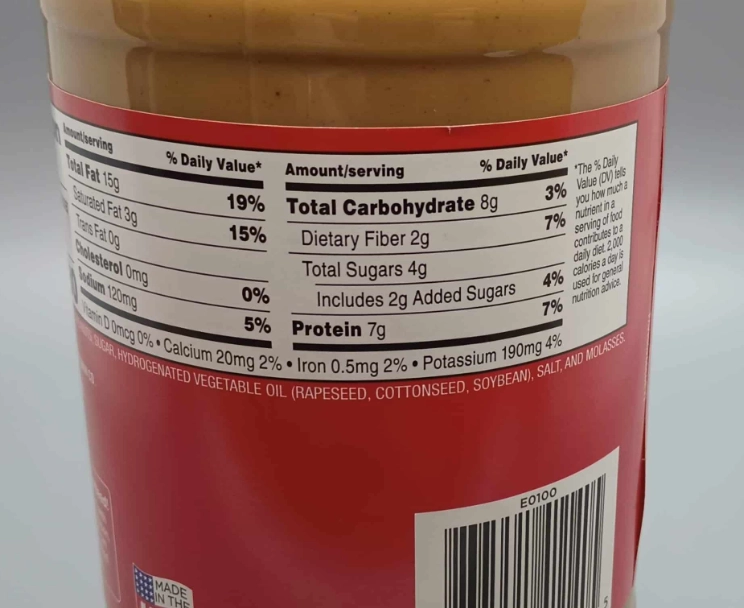
3 Common Mistakes People Make with Peanut Butter Calories
Understanding the number is one thing. Applying it is another. Here are the pitfalls I've seen (and personally stumbled into) that make people fear peanut butter unnecessarily.
1. The "Scoop and Guess" Portion Method
This is the number one error. A "heaping" tablespoon can easily double the intended serving. That's not 190 calories; that's 380. And since it's so easy to eat, you might not even register it. The calorie count isn't the enemy—the unmeasured portion is.
2. Pairing It with Simple Carbohydrates
Slathering peanut butter on white bread or a plain bagel is a classic combo, but it's a nutritional mismatch. The refined carbs cause a rapid blood sugar spike and crash, while the peanut butter's fat and protein work on a slower timeline. The result? You might not feel as full as you should from a 300+ calorie snack, leading you to eat more sooner. The calories aren't working together effectively.
3. Avoiding It Altogether Due to Fat Phobia
This was me for a long time. I saw 16 grams of fat and ran. But by cutting out this dense source of healthy fats and protein, I was left hungrier, less satisfied, and more likely to binge on other, less nutritious snacks later. I was trading a 200-calorie serving of nutrient-dense food for 300 calories of pretzels or crackers that did nothing for my hunger. The calorie savings were an illusion.
The Practical Guide: Measuring and Using Peanut Butter Smartly
Okay, so how do we make friends with the creamy peanut butter calorie?
Get Your Tools Right: Use proper measuring spoons. Level them off with a knife. For ultimate accuracy, especially with natural brands, use a food scale. 32 grams is your target. Do this a few times to train your eye. A serving is about the size of a ping-pong ball.
Smart Pairing is Everything: Think of peanut butter as a satiety enhancer for foods that need it.
- Fruit: Apple slices, banana, celery stalks. The fiber in the fruit complements the fat and protein perfectly.
- Complex Carbs: A whole-grain rice cake, a slice of hearty sourdough, or oatmeal. The slower-digesting carbs align with peanut butter's energy release.
- In Sauces & Smoothies: A tablespoon blended into a smoothie adds creaminess and staying power. Whisked with soy sauce, lime, and a little water, it makes a fantastic satay or noodle sauce where the calories are distributed across a whole meal.
The Pre-Portion Trick: When you open a new jar, immediately portion out 10-12 servings into small containers or silicone muffin cups. Store them in the freezer. Now, when you want a serving, you grab a pre-measured disk. It eliminates the temptation to go back for "just one more swipe."
The goal isn't to obsess over 190 calories. It's to understand that those 190 calories can be one of the most useful, satisfying, and nutritious blocks in your daily diet if you respect the portion and pair it wisely.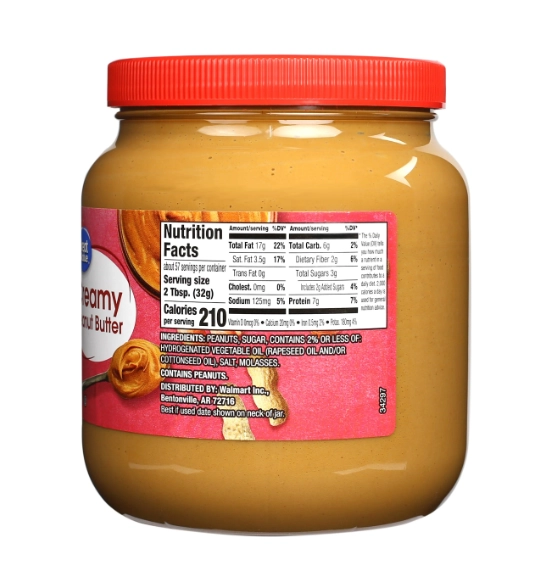
Your Peanut Butter Calorie Questions, Answered
Look, I get it. Numbers on a label can be intimidating. But after years of cycling between avoidance and overindulgence, I've landed here: a tablespoon (or two) of creamy peanut butter isn't something to fear or worship. It's a tool. A damn delicious one. Respect its energy density by measuring it. Leverage its nutritional power by pairing it with smart foods. Then, just enjoy it. The calories are there to fuel you, not to trick you.
Reader Comments