In This Guide
- What Exactly is Low Fat Peanut Butter?
- The Nutrition Face-Off: Low Fat vs. Regular
- Who Should Actually Consider Low Fat Peanut Butter?
- Top Brands of Low Fat Peanut Butter: A Real-World Comparison
- The Ingredient List: Your Decoding Guide
- How to Use Low Fat Peanut Butter in Your Kitchen
- Answering Your Big Questions (FAQ)
- The Final Verdict: Should You Buy It?
Let's talk about peanut butter. It's that creamy, nutty spread that makes toast better, turns celery into a snack, and is basically the glue holding many a sandwich together. But if you've ever stood in the grocery aisle staring at the jars, you know it's not simple anymore. Regular, natural, crunchy, smooth... and then there's this whole category of low fat peanut butter. It sits there, promising a healthier choice. But is it really? What's the catch? I remember trying my first jar years ago, thinking I'd cracked the code to guilt-free snacking. The texture was... different. And it got me digging deeper.
This guide is that deep dive. We're going to peel back the label on low fat peanut butter, figure out what it is, who it's for, and whether it deserves a spot in your pantry. Forget the marketing fluff. We're looking at the real nutrition, the taste trade-offs, and the practical stuff.
What Exactly is Low Fat Peanut Butter?
First things first. To make a low fat peanut butter, manufacturers have to remove a significant portion of the peanut oil. Peanuts are naturally about 50% fat by weight (the good, unsaturated kind, mostly). That fat is what gives regular peanut butter its rich, smooth mouthfeel. So, if you take fat out, what's left? You're left with more of the peanut solids—the protein and carbohydrates.
But here's the thing nobody tells you right away: you can't just scoop out oil and call it a day. The resulting paste would be dry, crumbly, and frankly, unpleasant. So, to get that spreadable consistency back, something has to be added. This is where the ingredient list gets interesting, and where your attention should go.
The Swap: In many commercial low-fat peanut butter products, the removed peanut fat is often replaced with other ingredients like maltodextrin (a starchy powder), corn syrup solids, or extra sugar. The goal is to mimic the creamy texture without the fat calories. It's a classic food science swap—fat out, carbs (often refined) in.
This fundamental process defines the entire category. Understanding this swap is key to making an informed choice. It's not magic; it's formulation.
The Nutrition Face-Off: Low Fat vs. Regular
This is where people get confused. The "low-fat" label shines bright, but the nutrition facts panel tells the full story. Let's break down a typical two-tablespoon (32g) serving.
| Nutrient | Regular Peanut Butter | Low Fat Peanut Butter | What It Means |
|---|---|---|---|
| Calories | ~190-200 | ~150-170 | Yes, there's a calorie saving, usually 20-50 per serving. |
| Total Fat | 16g | 6-8g | The most obvious difference. Fat is cut by more than half. |
| Saturated Fat | 3g | 1-1.5g | Also reduced, but regular peanut butter's sat fat is already mostly from peanuts. |
| Protein | 7-8g | 8-10g | Protein content often goes up slightly because the peanut solids are more concentrated. |
| Total Carbohydrates | 6-7g | 15-18g | This is the big one. Carbs can double or triple. |
| Sugars | 2-3g (natural) | 4-6g (often added) | Added sugars frequently creep in to compensate for flavor lost with the fat. |
| Fiber | 2g | 2-3g | Fiber stays roughly the same or improves slightly. |
Looking at that table, the trade-off becomes crystal clear. You're trading fat grams for carbohydrate grams. For some dietary approaches—like traditional low-fat diets—this might be the goal. But with today's understanding of nutrition, where we know the type of fat matters more than just the amount, this trade warrants a second look.
My Personal Take: I used to be solely focused on the fat number. Seeing "6g fat" vs. "16g fat" felt like an automatic win. But then I'd find myself hungry again an hour after my snack. The higher carb count, especially if it includes added sugars or refined starches, might not provide the same lasting fullness that the fat-protein combo in regular peanut butter does. It's a satiety thing.
The fat in peanuts is primarily monounsaturated and polyunsaturated fat—the kinds associated with heart health. Organizations like the American Heart Association note that these unsaturated fats are beneficial when they replace saturated or trans fats in the diet. By removing them, you might be removing some of the inherent health benefits of the peanut itself.
Who Should Actually Consider Low Fat Peanut Butter?
It's not for everyone, but it has its place. Here’s a quick list of who might benefit most from choosing a low-fat peanut butter option.
- People following a specific, prescribed low-fat diet. This is the most straightforward reason. If a doctor or dietitian has advised a low-fat eating plan for medical reasons (certain gallbladder, pancreatic, or metabolic conditions), then a genuine low-fat option makes sense.
- Calorie-counters seeking a modest reduction. If you eat peanut butter daily and a 30-50 calorie saving per serving helps you meet a specific calorie target without cutting out the food entirely, it's a practical tool.
- Those who simply prefer the taste or texture. Taste is subjective! Some people genuinely find full-fat peanut butter too heavy or rich. The lighter texture of a low fat peanut butter might be more appealing to them.
- Parents looking for a compromise for kids. Sometimes, a slightly lower-fat, slightly higher-protein spread can be a middle ground, especially if you find one with minimal added junk.
But for most people just trying to eat healthier? The regular, natural kind often wins out.
Top Brands of Low Fat Peanut Butter: A Real-World Comparison
Not all low-fat versions are created equal. Some are better than others. I've spent more time than I'd like to admit reading labels in the condiment aisle. Here’s a rundown of a few notable brands, based on their formulations.
A Look at Popular Jars
Peter Pan Whipped Low Fat: This one uses a "whipped" process to incorporate air, reducing density and calories. The fat is lower, but check the label—it often contains hydrogenated oils (trans fat) to stabilize the whip, which is a major nutritional red flag. I avoid this one.
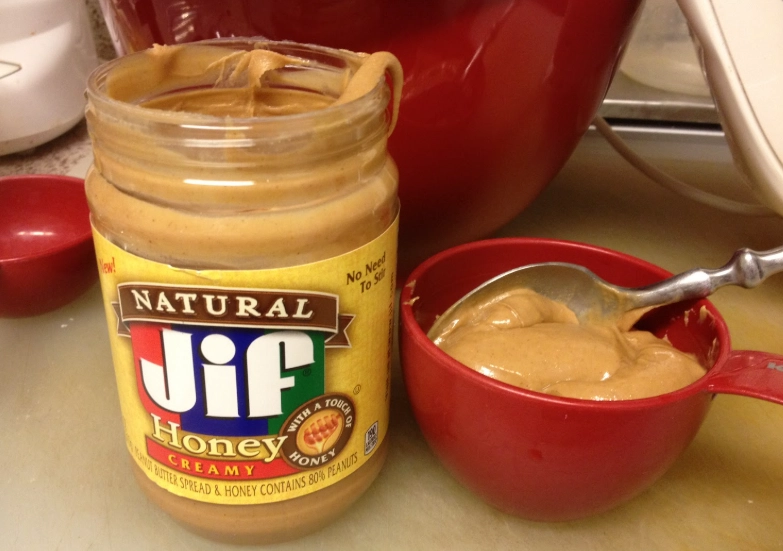
Jif Low Fat: A very mainstream option. It reduces fat but adds more sugar and molasses for flavor, along with maltodextrin. It tastes sweet and familiar, but the ingredient list is long.
PB2 and Similar Powdered Peanut Butters: This is a different beast entirely. It's not a spread in a jar; it's dehydrated peanut powder with most of the fat pressed out. You mix it with water. Per serving, the fat and calories are drastically lower, and the protein remains high. The ingredient list can be clean (just peanuts, sugar, salt). For a true, drastic fat reduction, this is often the best-formulated option. The texture is obviously different—more like a paste or a dip than a creamy spread.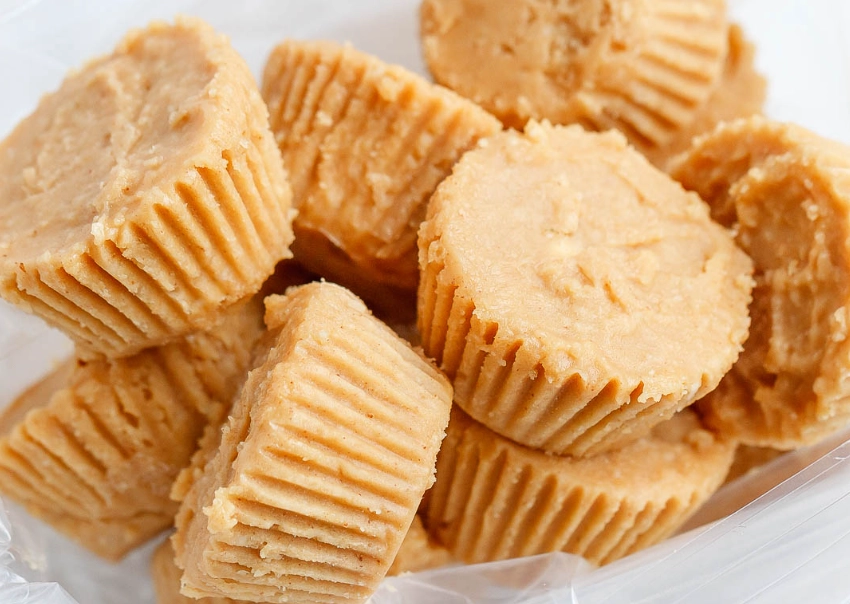
My go-to resource for checking and verifying the specific nutrient composition of any food, including peanut butter, is the USDA's FoodData Central database. You can look up almost anything there. For example, searching for "peanut butter" on USDA FoodData Central gives you the standard reference values, which is a great baseline for comparison.
The Ingredient List: Your Decoding Guide
This is the most important skill you can take from this guide. Turn the jar around. Here’s what to look for (and look out for) when choosing any peanut butter, especially a low fat peanut butter.
The Good
- Peanuts: Should be the first ingredient, always.
- Peanut Protein Isolate/Solids: In powdered versions, this is fine—it's just the defatted peanut.
- Salt: A little is okay for flavor.
The Not-So-Good (The "Texture & Flavor Replacers")
- Maltodextrin/Corn Syrup Solids: These are refined carbohydrates added to bulk up the product and improve spreadability after fat removal. They spike blood sugar quickly.
- Added Sugars (e.g., Sugar, Corn Syrup, Molasses): Often increased to make up for flavor lost with the fat. Can turn a healthy spread into a dessert-like one.
- Hydrogenated Oils: Used to prevent oil separation and stabilize whipped products. These create trans fats, which are unequivocally bad for heart health. An instant deal-breaker.
Simple Rule: The shorter the ingredient list, the better. Aim for: Peanuts, Salt. For a low fat peanut butter, the best-case scenario is something like: Peanuts, Peanut Protein, Salt. Once you see a parade of sweeteners and stabilizers, you know the formulation is moving away from a whole food.
How to Use Low Fat Peanut Butter in Your Kitchen
Okay, so you've decided to try it. Or maybe you have a jar sitting in the back of the cupboard. How do you make the most of it? The texture and flavor profile work better in some applications than others.
Where It Shines:
- In Smoothies & Protein Shakes: This is a perfect use. The slightly drier texture isn't noticeable when blended. It adds peanut flavor and a protein boost without making the smoothie too heavy or oily. A tablespoon of powdered low-fat peanut butter like PB2 is fantastic here.
- As a Dip for Fruits & Veggies: Thin it out with a little water, yogurt, or even a splash of milk to make a perfect dip for apple slices, banana chunks, or celery sticks.
- In Baking: When you're baking muffins, cookies, or protein balls, the fat content can often be adjusted elsewhere in the recipe. Using a low fat peanut butter can work well, especially in recipes with other moisture sources like bananas or applesauce.
- Stirred into Oatmeal or Yogurt: Swirling a spoonful into your morning oatmeal or a bowl of Greek yogurt adds flavor and protein without adding a lot of extra fat, which can sometimes sit heavily first thing in the morning.
Where It Might Disappoint:
- On Plain Toast or a Sandwich: This is where the texture difference is most apparent. It can be pasty, less creamy, and not as satisfyingly rich. It might not "melt" into warm toast the same way.
- As a Standalone Snack: Eating it straight off a spoon might highlight the flavor compromises (often sweeter, less robustly nutty).
I keep a jar of the powdered kind almost exclusively for smoothies and the occasional baking project. For my everyday toast or apple slices, I reach for the natural, full-fat stuff. It just feels more like real food.
Answering Your Big Questions (FAQ)
The Final Verdict: Should You Buy It?
So, after all this, what's the bottom line on low fat peanut butter?
Think of it as a specialized tool, not a universally superior replacement. It's not an "upgrade" from regular peanut butter in the way that whole wheat bread is to white bread. It's a different product with a different nutritional profile designed for a different purpose.
Choose low fat peanut butter if: You are specifically targeting lower fat/calorie intake, you prefer its texture, or you want it as an ingredient for smoothies and baking where its properties are an advantage.
Stick with natural regular peanut butter if: Your priority is minimal processing, whole-food ingredients, satiating healthy fats, and that classic, rich peanut butter experience.
The worst choice you can make is grabbing any jar—low fat or not—with a long list of additives, sugars, and hydrogenated oils. Read that label. Know what you're trading. Whether you go for the low fat peanut butter or the classic kind, make sure peanuts are the star of the show.
At the end of the day, the best peanut butter for you is the one that fits your health goals, tastes good to you, and helps you eat in a way that feels sustainable and enjoyable. For me, that means having both options in the pantry, each for its own job.
Reader Comments