I ruined my first three batches of peanut butter fudge. They were grainy, sugary messes that crumbled like sand. The problem? I was following the same vague advice everyone else gives. It wasn't until I started treating fudge like the precise chemical reaction it is that I cracked the code. The secret weapon isn't just peanut butter—it's that jar of marshmallow creme sitting on your shelf. This recipe, honed over a decade of holiday disasters and triumphs, delivers a fudge that's impossibly smooth, creamy, and foolproof.
What's Inside This Guide
Why Marshmallow Creme is the Non-Negotiable Game-Changer
Let's clear something up right away. This isn't just about sweetness. Marshmallow creme (like the classic Fluff brand) is a stabilizer. Its structure is a foam of egg whites and corn syrup that's already been cooked. When you add it to the hot sugar and peanut butter mixture, it does two critical things.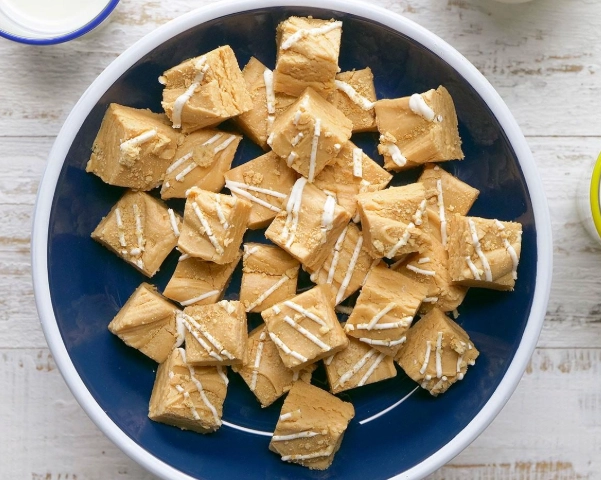
First, it interferes with sugar crystallization. That's the science-y term for the grains that ruin traditional fudge. The proteins and structure in the creme get in the way of sugar molecules lining up into big, crunchy crystals. Second, it introduces air and helps emulsify the fats from the peanut butter with the sugar syrup. The result? A texture that's consistently smooth, almost melt-in-your-mouth, with a body that holds its shape without being rock hard.
The Big Mistake I See: People try to substitute regular marshmallows. Don't. They melt unevenly, often leave chewy bits, and don't provide the same pre-stabilized structure. It's the difference between using pre-made whipped cream and trying to whip your own cream in the middle of the fudge process—too many variables.
Your Ingredient Breakdown: What Really Matters
You can find a list of ingredients anywhere. Here's what each one actually does, and where you can (and can't) cut corners.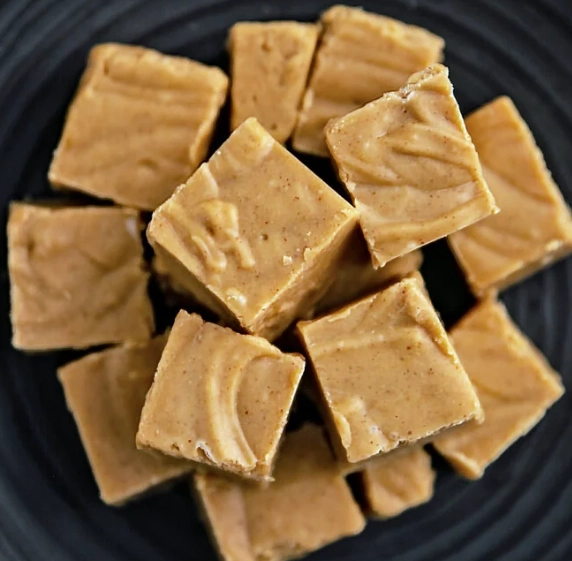
| Ingredient | Quantity | Its Real Job & Pro Notes |
|---|---|---|
| Granulated Sugar | 2 cups | Provides the base structure and sweetness. Don't swap for brown sugar here—the molasses adds moisture and changes the crystallization game completely. |
| Evaporated Milk (Not sweetened condensed!) | 5/8 cup (3/4 cup less 2 tbsp) | This is key. It's concentrated milk with less water, so you can cook the syrup to the right temp without curdling. Using regular milk adds too much water, extending cooking time and risking scorching. |
| Butter | 1/2 cup (1 stick) | Adds richness, smooth mouthfeel, and helps control crystallization. Use unsalted so you control the salt. Salted butter can work, but reduce added salt by 1/4 tsp. |
| Marshmallow Creme (like Fluff) | 1 jar (7 oz) | The MVP. Provides stability, smooth texture, and prevents graininess. Spoon it lightly into the measuring cup; don't pack it. |
| Peanut Butter | 1 cup | Use a standard, no-stir creamy peanut butter like Jif or Skippy. The natural, oily kind will separate and make your fudge greasy. The stabilizers in commercial brands are your friend here. |
| Vanilla Extract | 1 tsp | Flavor enhancer. Add it after cooking, with the peanut butter. |
| Salt | 1/4 tsp | Makes the sweet and peanut flavors pop. Non-negotiable. |
The Step-by-Step Process (Where Most Go Wrong)
This is where you win or lose. Read this twice before you turn on the stove.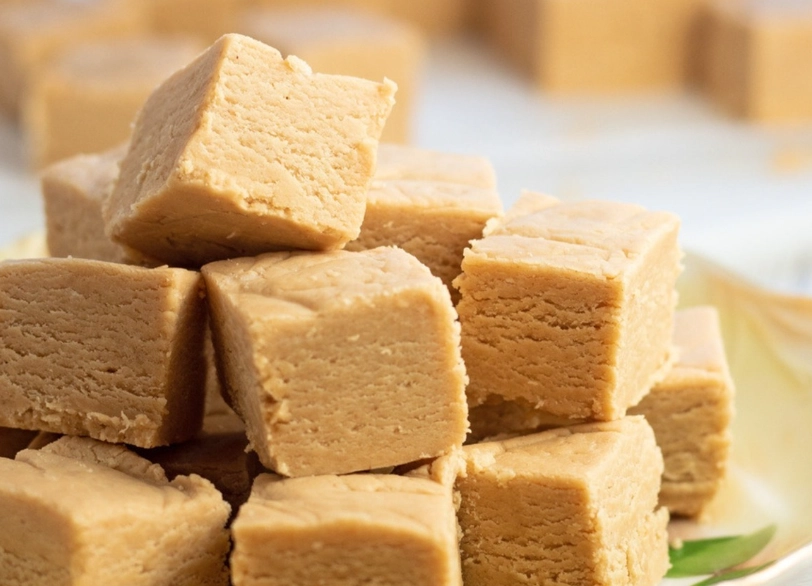
Phase 1: The Sugar Syrup Foundation
Grab a heavy-bottomed, 3-quart saucepan. Light bottoms scorch. Combine the sugar, evaporated milk, and butter. Here's the first critical step: dissolve, don't boil.
Turn the heat to medium-low. Stir constantly with a wooden spoon or silicone spatula until the butter melts and the sugar is completely dissolved. How do you know? Dip your fingers in cold water, then carefully grab a drop of the mixture and rub it between your fingers. If you feel any grit, keep stirring. No grit? Stop stirring. Place your candy thermometer in the pot.
Bring the mixture to a full, rolling boil over medium heat. Do not stir. If sugar crystals form on the sides of the pot, use a wet pastry brush to wash them down. Boil until the thermometer reads 234°F to 240°F (112°C to 116°C). This is the soft-ball stage. A 2-3 degree under-shoot gives softer fudge; an over-shoot gives harder fudge. I aim for 236°F for perfect texture.
Phase 2: The Magic Mix-In
Remove the pot from heat immediately. Take out the thermometer. Quickly add the marshmallow creme, peanut butter, vanilla, and salt. Don't dawdle—the residual heat is doing the work.
Now, beat it. Use a sturdy spoon or a hand mixer on low. Beat until everything is just combined and the marshmallow creme is fully melted. This takes about 1-2 minutes. Stop as soon as it's smooth. Over-beating at this stage can actually encourage graininess by agitating the sugar.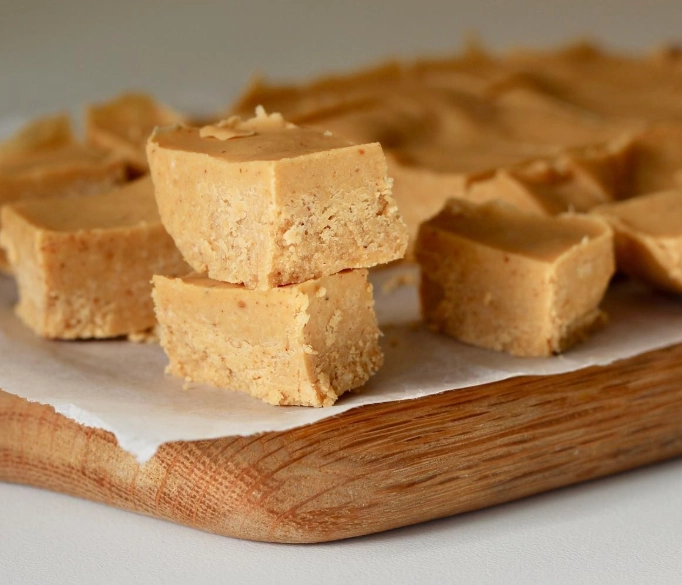
Phase 3: Setting Up for Success
Pour the fudge immediately into a prepared 8x8 or 9x9 inch pan lined with parchment paper (let the paper hang over the sides for easy removal). Smooth the top with a spatula.
Let it cool at room temperature until set. This takes 2-4 hours. Do not refrigerate to speed it up! Refrigeration causes moisture condensation and can lead to a sticky surface or sugar bloom (those white spots).
Expert Tips & Troubleshooting
- The Tool You Must Have: A digital candy thermometer. Clip it to the side of the pot, ensuring the tip isn't touching the bottom. Test its accuracy by seeing if it reads 212°F in boiling water. If it's off, adjust your target temp accordingly.
- Weather Matters: On a humid, rainy day, your fudge might take longer to set and can stay slightly softer. It's fine, just be patient. The sugar is absorbing ambient moisture.
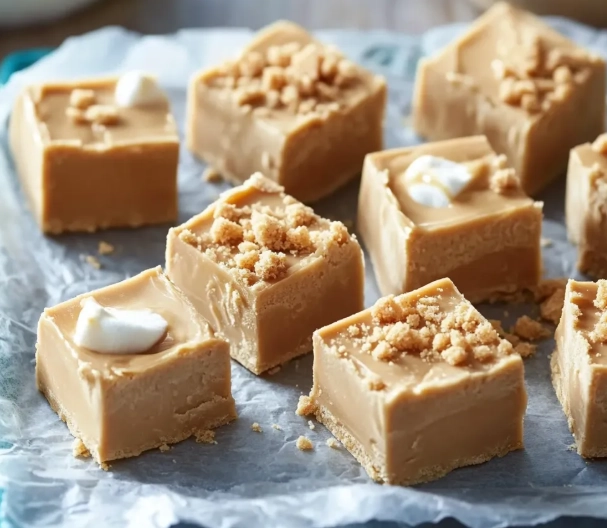
- Cutting Clean Squares: Use a large, sharp chef's knife. Run it under very hot water, wipe it dry, and make a cut. Wipe the blade clean and re-heat it for each cut. This gives you those perfect, clean edges you see in bakeries.
- Storage: Store in an airtight container at room temperature with parchment between layers for up to 2 weeks. It freezes beautifully for 3 months. Thaw in the container overnight.
Your Fudge Questions, Answered
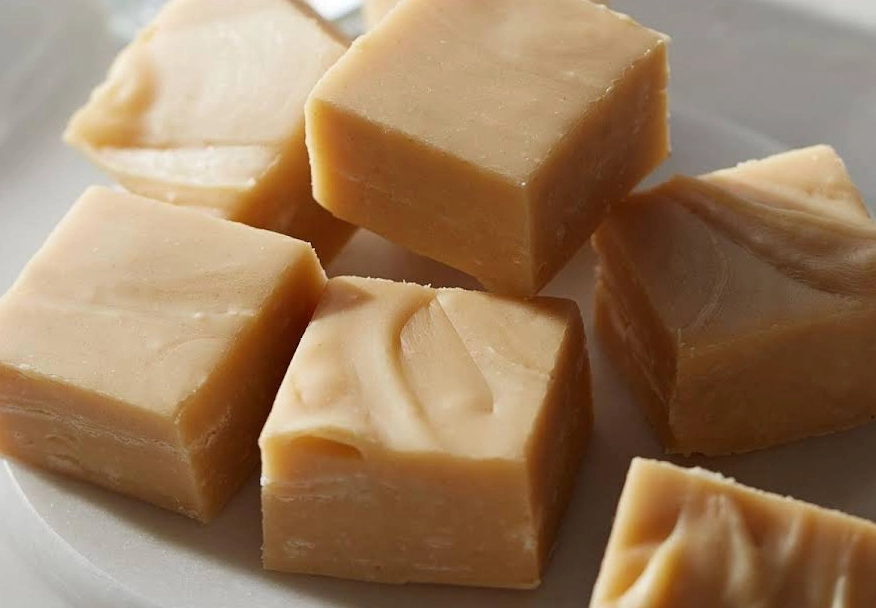
There you have it. It's not magic, it's just understanding the rules of the game. With this peanut butter fudge with marshmallow creme recipe, you're not just following instructions; you're learning the *why* behind each step. That's what turns a recipe into a reliable skill. Now go make a batch that'll make everyone think you bought it from some fancy confectionery. I won't tell.
Reader Comments