Quick Guide
- The Core Nutrition Facts: What's in a Serving?
- Natural vs. Conventional vs. Powdered: A Nutrition Showdown
- The Health Benefits: Why Peanut Butter Earns Its Reputation
- The Not-So-Great Stuff: Downsides and What to Watch For
- Your Peanut Butter FAQ: Answering the Real Questions
- Putting It All Together: How to Buy and Use Peanut Butter Smartly
Let's talk peanut butter. That creamy (or crunchy) spread that's been a lunchbox staple for decades. I've gone through more jars than I can count—during my fitness phases, my lazy snack phases, and everything in between. But for something so simple, the nutrition label can be surprisingly confusing. Is it a protein powerhouse or a fat bomb? A health food or a dessert in disguise? The truth, like a well-stirred jar of the natural stuff, is somewhere in the middle. Today, we're scraping the jar clean and diving deep into the real nutrition facts peanut butter has to offer, so you can make choices that actually taste good and feel good.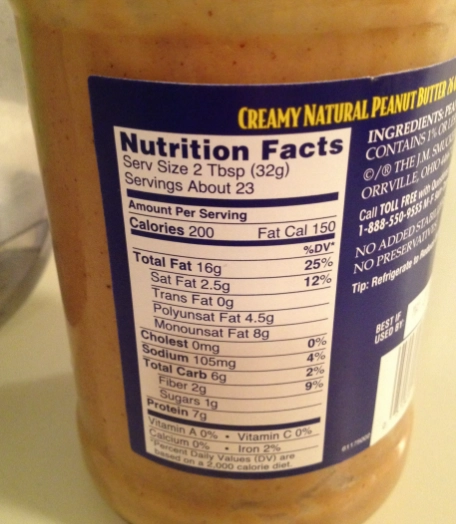
If you take one thing away from this: Not all peanut butter is created equal. The difference between a tablespoon that fuels your day and one that just adds empty calories comes down to the ingredient list.
The Core Nutrition Facts: What's in a Serving?
First, let's look at the basics. We're talking about a standard 2-tablespoon (32g) serving of the classic, no-stir kind you probably grew up with. This is your baseline.
It packs a caloric punch, usually around 190-200 calories. That number alone makes some people nervous. But calories are just energy—what matters is where they come from. And here's where peanut butter starts to shine. About 70-80% of those calories come from fats. Before you panic, know that most of these are the monounsaturated and polyunsaturated kinds—the “good fats” linked to heart health. Then you get about 15% from protein, which is a solid amount for a plant-based food, and the remaining little bit from carbohydrates.
So, breaking it down per serving:
- Total Fat: 16g (Saturated: ~3g, the rest is unsaturated)
- Protein: 7-8g
- Total Carbs: 6-7g (Dietary Fiber: 2g, Sugars: ~3g)
- Key Micronutrients: It's a good source of Vitamin E (an antioxidant), Magnesium (great for muscle function), Niacin (B3), and a bit of Potassium and Iron.
That protein content is why it's a favorite among athletes and anyone trying to stay full between meals. Seven grams isn't chicken breast territory, but it's a respectable plant-based punch. The fiber, while not huge, helps with satiety and digestion. The real story, though, is in the fat profile. The dominance of unsaturated fats is what earns peanut butter its “heart-healthy” reputation from sources like the American Heart Association.
Natural vs. Conventional vs. Powdered: A Nutrition Showdown
This is where your choice matters most. The nutrition facts peanut butter labels show can vary wildly. I learned this the hard way when I compared my old favorite brand to a jar of “natural” stuff. The numbers told a different story.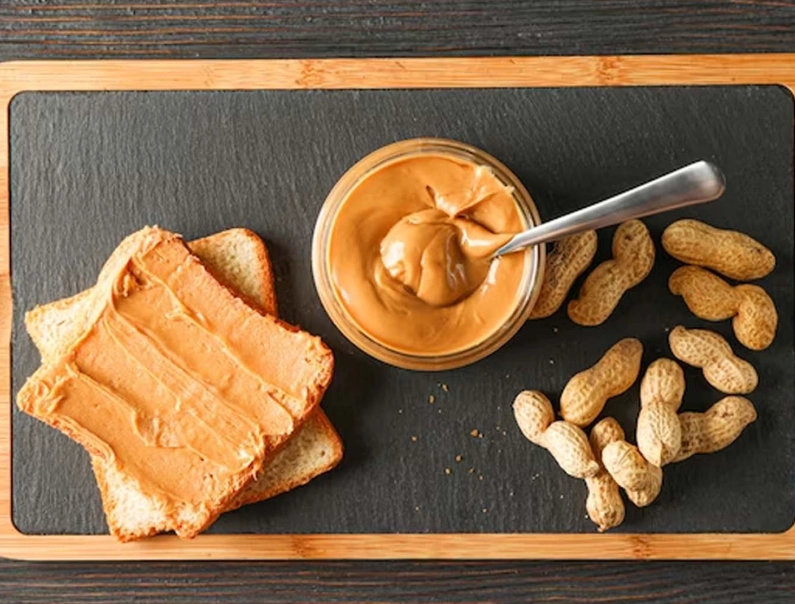
| Type (per 2 tbsp) | Natural (Just Peanuts & Salt) | Conventional (e.g., Skippy, Jif) | Powdered (e.g., PB2) |
|---|---|---|---|
| Calories | ~190-200 | ~190-200 | ~60 |
| Total Fat | 16g | 16g | 1.5g |
| Protein | 7-8g | 7-8g | 5g |
| Total Carbs | 6-7g | 7-8g | 7g |
| Sugars | 1-2g (natural) | 3-4g (added) | 2g (some added) |
| Key Additives | None, or just salt | Hydrogenated oils, sugar, molasses | Often has added sugar/salt |
See the difference? The calories and even main macros look similar at first glance. The devil is in the details—specifically, the ingredients list.
Natural Peanut Butter: The ingredient list is blissfully short: peanuts, maybe salt. That's it. The oil separation on top? That's a sign of purity, not a defect. The fat is all from the peanut itself. This is the gold standard for peanut butter nutrition facts purists. The downside? It can be a bit grainier, and you have to stir it (and store it upside down sometimes).
Conventional (Stabilized) Peanut Butter: This is the creamy, never-separates kind. To achieve that, manufacturers add hydrogenated or fully refined oils. These are trans fats in disguise, used to keep the texture uniform. They also add significant sugar—sometimes corn syrup solids, sometimes molasses—to enhance flavor. While the FDA has cracked down on artificial trans fats, small amounts from hydrogenation can still be present. For me, the texture is nostalgic, but knowing about the added sugars and processed oils makes me reach for it less often.
Powdered Peanut Butter: This is a game-changer for calorie-counters. They press out most of the oil, leaving a powder you mix with water. The fat and calories plummet, but so does the satiety factor. That healthy fat is what keeps you full! It's a fantastic option for adding peanut flavor to smoothies or baking without the fat content, but it shouldn't be considered a direct nutritional replacement for the real thing. You're losing the primary benefit.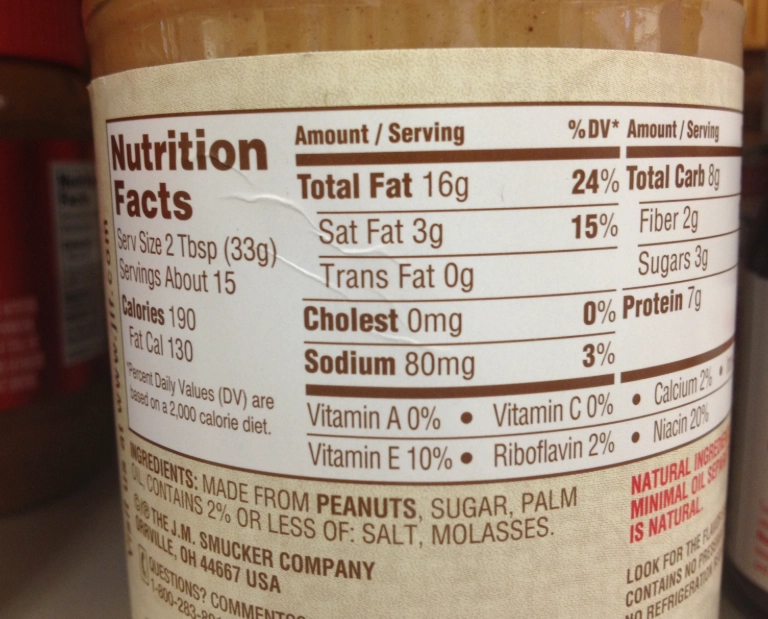
How to Decode Any Peanut Butter Label in 10 Seconds
Flip the jar. Look at two things:
- Ingredients: The list should start and ideally end with “peanuts.” Salt is okay. Anything else—especially “hydrogenated vegetable oil,” “palm oil,” or “cane syrup”—means it's more processed.
- Sugars: Under “Total Carbohydrates.” If it's more than 2-3g per serving, ask yourself where it's coming from. In natural butter, it's the peanut's own sugars. In conventional, it's added.
That's it. This simple check has saved me from buying “honey roasted” or “low-fat” versions that are often just sugar bombs in disguise.
The Health Benefits: Why Peanut Butter Earns Its Reputation
Beyond just macros, what does peanut butter actually do for you? A lot, as it turns out, when you choose the right kind.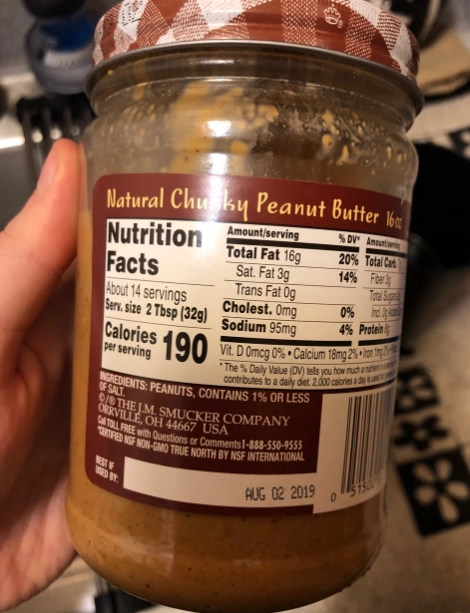
Heart Health Champion
The unsaturated fat profile is the star here. Studies, including those referenced by the National Institutes of Health, have linked nut consumption (peanuts are technically legumes, but nutritionally similar) to a reduced risk of cardiovascular disease. The fats help lower LDL (“bad”) cholesterol while maintaining HDL (“good”) cholesterol.
Blood Sugar Stabilizer
This one surprises people. Despite its richness, peanut butter has a low glycemic index. The combo of fat, protein, and fiber slows the absorption of any sugars into your bloodstream. I've found that having a tablespoon on whole-grain toast in the morning prevents that mid-morning crash far better than a sugary cereal.
Muscle Maintenance & Satiety King
The protein, while not massive, is a complete protein (containing all essential amino acids), which is rare for plant foods. It's great for muscle repair. More importantly, that fat-protein-fiber trio is incredibly satiating. It tells your brain you're full. This is why it's a cornerstone of many weight management plans—it helps control overall calorie intake by curbing cravings.
It also delivers useful amounts of magnesium (for muscle and nerve function) and vitamin E, a potent antioxidant that protects your cells.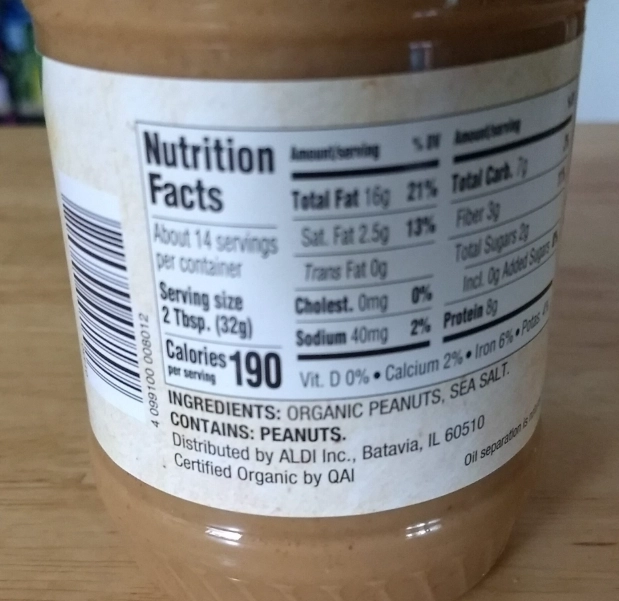
The Not-So-Great Stuff: Downsides and What to Watch For
Let's be balanced. Peanut butter isn't a magic food. It has its drawbacks.
Calorie Density: This is the biggest one. Two tablespoons can disappear in two bites, but they carry nearly 200 calories. It's incredibly easy to overeat. I used to just scoop from the jar with a spoon while working… and easily consume three or four servings without thinking. Portion control is non-negotiable. Use a measuring spoon until you can eyeball it accurately.
Added Sugars and Oils: As we covered, this is the major pitfall of conventional brands. You're getting extra sugar and potentially unhealthy processed fats that negate the natural benefits. Always check the label.
Omega-6 Fatty Acids: Peanuts are high in omega-6s. While essential, the modern diet is often overloaded with omega-6 and deficient in omega-3s (from fish, flaxseeds). An imbalance can promote inflammation. It's not a reason to avoid peanut butter, but a good reason to balance your diet with omega-3 sources.
Aflatoxin Concerns: Peanuts can be susceptible to a mold that produces aflatoxins, which are potential carcinogens in high amounts. Reputable brands in the US and EU have strict safety testing to keep levels extremely low, as regulated by agencies like the U.S. Food and Drug Administration (FDA). The risk from commercial peanut butter is considered very low, but it's a fact worth knowing.
Allergies: Obviously, this is a severe and life-threatening issue for some. Always be mindful.
Your Peanut Butter FAQ: Answering the Real Questions
Putting It All Together: How to Buy and Use Peanut Butter Smartly
So, after all this, what's the takeaway? Here's my personal action plan, born from trial and error.
Buying Guide: Head to the store and look for a jar where the only ingredient is peanuts (and maybe salt). Smucker's Natural, Adams, 365 Whole Foods Brand, and Teddie are widely available good options. Ignore the marketing on the front (“Reduced Sodium!” “Protein!”) and go straight to the back.
Portion Control Hacks:
- Pre-portion it: When you open a new jar, use a tablespoon to scoop single servings onto parchment paper, freeze them, and then bag them. Grab one for your oatmeal.
- Use it as a garnish, not a main: Swirl a teaspoon into yogurt, drizzle (thinly!) on apple slices, add a half-tablespoon to a smoothie.
- The spoon test: If you must eat it from the spoon, use a teaspoon, not a tablespoon. And put the jar away immediately after.
Healthy Pairings: Pair your serving with other whole foods to make a balanced snack or meal.
- Classic: On whole-grain bread or rice cakes with banana slices.
- Savory: In a stir-fry sauce (thinned with soy sauce and lime) or as a satay dip for chicken skewers.
- Breakfast: Stirred into oatmeal or spread on whole-grain waffles.
- Simple Snack: Celery sticks (“ants on a log”) or apple slices.
At the end of the day, understanding peanut butter nutrition facts gives you the power to use this delicious food to your advantage. It’s not a “health food” you can eat mindlessly, nor is it a “junk food” to be feared. It’s a nutrient-dense, energy-rich whole food (when chosen correctly) that deserves a spot in your pantry. Ditch the fear-mongering and the hype, grab a jar of the good stuff, measure out a proper serving, and enjoy every last bite without an ounce of guilt.
Reader Comments