You love it. I love it. Slathered on toast, blended into smoothies, or eaten straight from the jar with a spoon—peanut butter is a pantry hero. But that love is often mixed with a side of guilt. Is it a health food or a junk food in disguise? The answer isn't in the jar's "natural" label. It's buried in the nutrition facts and, more importantly, the ingredient list. Let's cut through the marketing and get to the core of peanut butter nutrition.
What's Inside?
A 2-Tablespoon Breakdown: What You're Really Eating
Let's start with the basics. A standard serving is two tablespoons (about 32 grams). Here’s what that typically looks like for a classic brand like Jif Creamy, according to the USDA FoodData Central database. It's a useful benchmark, even if we aim for better options later.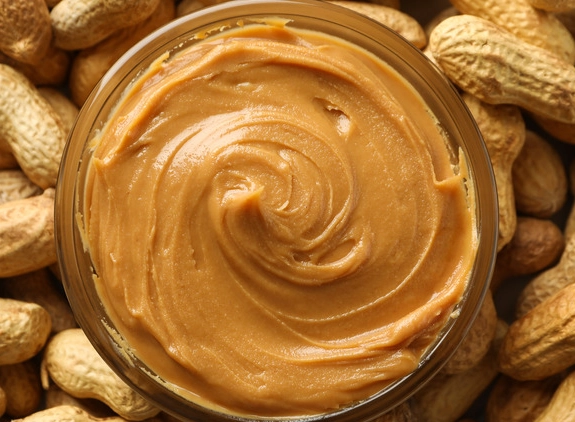
| Nutrient | Amount (2 tbsp) | % Daily Value* |
|---|---|---|
| Calories | 190-200 | ~10% |
| Total Fat | 16g | 21% |
| Saturated Fat | 3g | 15% |
| Monounsaturated Fat (the good kind) | ~8g | -- |
| Protein | 7-8g | 14-16% |
| Total Carbohydrates | 7g | 3% |
| Dietary Fiber | 2g | 7% |
| Total Sugars | 3g | 6% |
| Added Sugars | ~2g | 4% |
*Based on a 2,000 calorie diet. Values are approximate.
Right away, you see the story. It's energy-dense (that's the calorie count) and fat-rich. But here's the first expert nuance everyone misses: don't just look at total fat. The type of fat matters infinitely more. Over 50% of that fat is monounsaturated fat—the same heart-healthy fat found in olive oil. This is a critical point that gets lost in the "low-fat" frenzy.
The protein is decent, not astronomical, but it contributes to feeling full. The fiber is helpful. The sugar? That's where brands diverge wildly.
So, Is Peanut Butter Actually Healthy?
Yes, but with a giant asterisk. The health potential of peanut butter comes from peanuts themselves. Studies, like those cited by the Harvard T.H. Chan School of Public Health, link nut consumption to a reduced risk of heart disease. The magic is in the matrix:
- Healthy Fats: Lower LDL ("bad") cholesterol and support heart health.
- Plant Protein & Fiber: The combo that promotes satiety, helping you eat less overall.
- Micronutrient Boost: It's a good source of magnesium (for muscle and nerve function), vitamin E (a potent antioxidant), and niacin (for energy metabolism).
The asterisk is everything added to the peanuts. If your jar's ingredient list has more than "peanuts, salt," you're diluting these benefits. Added sugars spike blood glucose. Hydrogenated oils (trans fats, even if labeled "0g" due to loopholes) are terrible for heart health. Palm oil is controversial for sustainability and its saturated fat content.
My personal rule after years of nutrition coaching? The healthiness of peanut butter is inversely proportional to the length of its ingredient list.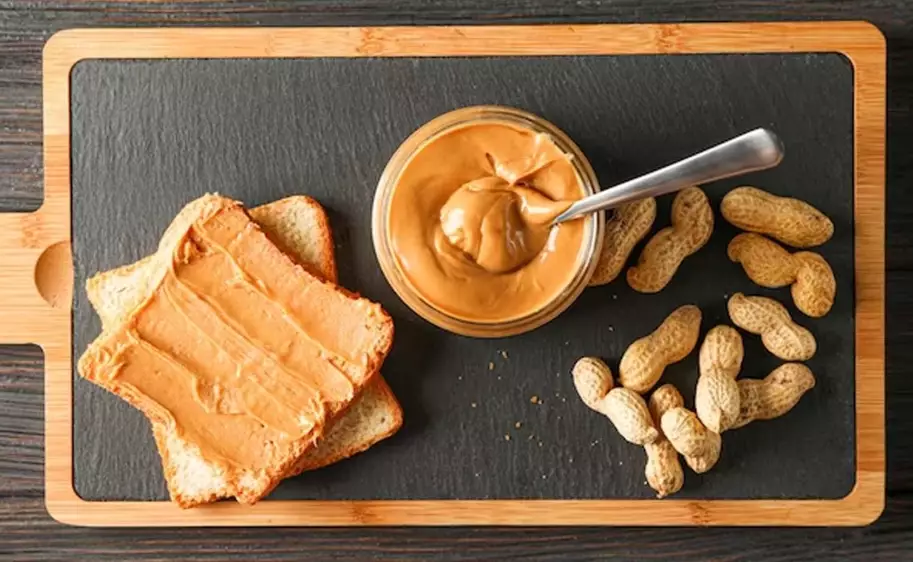
How to Pick a Truly Healthy Jar (The Label Decoder)
Forget the "Natural" banner on the front. It's meaningless. Go straight to the back.
The Gold Standard Ingredient List:
Peanuts. That's it. Or Peanuts, Salt. Nothing else. The oil on top? That's natural separation—just stir it in. This is your benchmark.
Now, let's decode common pitfalls:
- "No Stir" Natural: Usually contains palm oil or fully hydrogenated oils as stabilizers. Not terrible, but not perfect.
- Reduced Fat: A classic trap. To make up for lost flavor and texture, brands add more sugar and refined carbs. You're better off with a smaller serving of the full-fat, natural kind.
- Fortified with Vitamins: Often a sign of a highly processed brand (like Skippy or Jif). You don't need synthetic vitamins from your peanut butter; get them from vegetables.
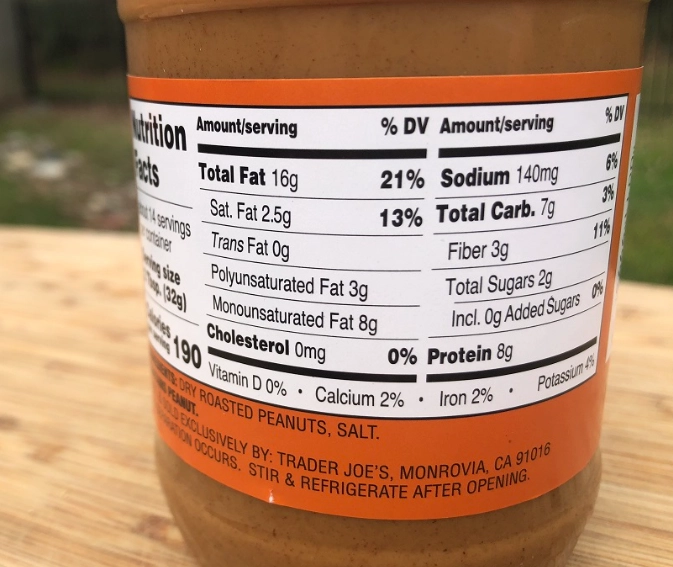
Let's compare three real-world scenarios you'll find in any supermarket:
1. The Best (Smucker's Natural): Ingredients: Peanuts, Salt. 1g sugar (naturally occurring). 3g saturated fat.
2. The Deceptive ("Natural" Brand with Stabilizers): Ingredients: Peanuts, Palm Oil, Sugar, Salt. 2g added sugar. Extra saturated fat from palm oil.
3. The Worst (Conventional Sweetened): Ingredients: Roasted Peanuts, Sugar, Hydrogenated Vegetable Oil, Salt. 3g+ added sugar. Contains trans fat precursors.
The choice seems obvious, but the "best" one requires stirring and might be harder to spread. That's the trade-off for purity.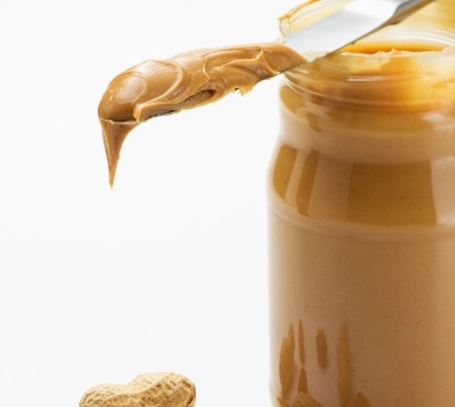
Using It Right: Portions, Pairings & Creative Ideas
Even the healthiest food can lead to weight gain if you overdo it. That 190-calorie serving can become 400+ calories in three casual spoonfuls.
Master the Portion
Use a measuring spoon for the first week. Seriously. It recalibrates your eyes. Two tablespoons is about the size of a ping-pong ball.
Smart Pairings (Beyond the Toast)
Pair peanut butter with foods that balance its fat and protein with other nutrients:
- For Sustained Energy: Spread on apple slices or banana. The fruit's fiber and carbs with the PB's fat create a slow-release energy combo.
- Post-Workout: Blend into a smoothie with banana, spinach, and protein powder. The fats help with nutrient absorption.
- Savory Twist: Whisk a tablespoon into a Thai-inspired salad dressing with lime juice, soy sauce, and a touch of chili.
- In Oatmeal: Stir a spoonful into your morning oats. It makes them incredibly creamy and adds staying power.
I used to just eat it from the jar. Now, making a quick "apple sandwich" (slices with PB in between) feels more intentional and satisfying, and I'm less likely to overeat it.
Reader Comments