I stood in the grocery aisle for a full five minutes once, just staring at the peanut butter shelf. "Natural," "No Sugar Added," "Simply Ground"—the labels promised purity, but the ingredient lists told different stories. Palm oil here, molasses there. I wanted the real deal: peanuts, maybe salt, nothing else. It took me years of trial, error, and a few disappointing, oily sandwiches to figure it out. If you're tired of the marketing spin and want to know what you're really spreading on your toast, you're in the right place. This isn't about dieting. It's about understanding a simple food that's been made complicated.
What's Inside?
What "Natural Peanut Butter No Sugar" Actually Means (And What It Doesn't)
Let's cut through the jargon first. In an ideal world, the label "natural peanut butter no sugar" would mean one thing: ground peanuts. Sometimes with a pinch of salt. That's it. No sweeteners (not even honey or dates), no hydrogenated oils to keep it from separating, no emulsifiers, no palm oil.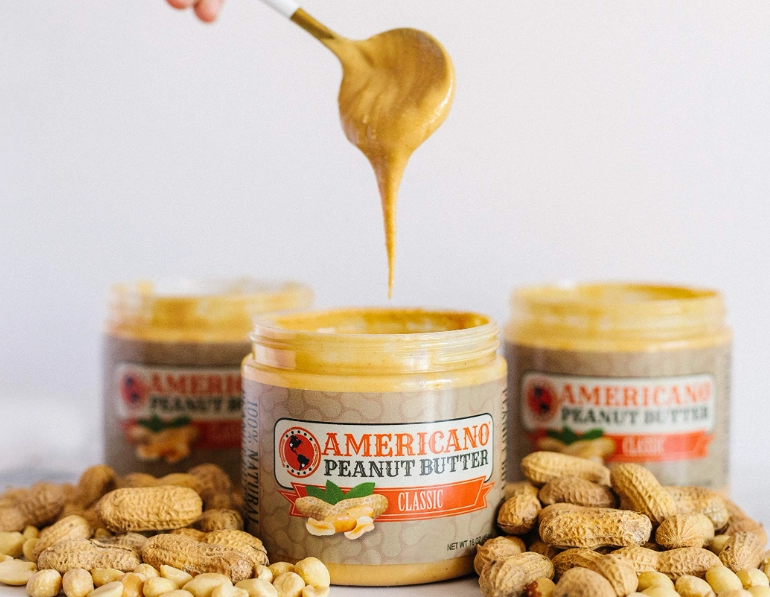
Here's the problem: the term "natural" is largely unregulated by the FDA for peanut butter. A brand can add palm oil—which is technically from a plant—and still call it natural. This is the first trap.
The real hallmark of a true, no-sugar-added natural peanut butter is ingredient list simplicity and oil separation. If you don't see a layer of oil on top when you first open it, something has been added to bind it together. That something is usually a hydrogenated oil (trans fat) or a saturated fat like palm oil.
I learned this the hard way. I bought a "natural" brand, loved that it didn't need stirring, and only later read the label: peanuts, palm oil, sugar, salt. It was barely different from the conventional stuff. I felt duped.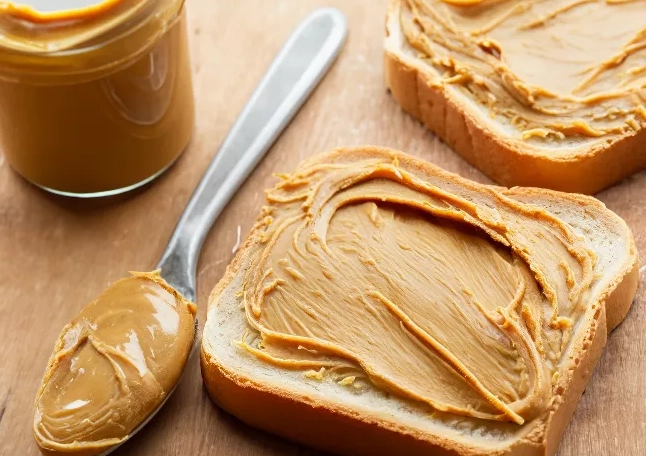
How to Pick the Best Jar: A Step-by-Step Guide
Don't trust the front label. Turn the jar around. Your decision is made in the ingredients panel and the nutrition facts.
Step 1: The Ingredient Litmus Test
You want to see: Peanuts. Or Peanuts, Salt. Full stop. If you see a third ingredient, ask yourself why it's there.
- Peanuts + Salt: The gold standard. Salt enhances flavor without adding sweetness.
- Peanuts only: Great for strict sodium watchers or for using in recipes where you control all seasoning.
- Anything else (oil, sweetener): This is not what you're looking for today. Put it back.
Step 2: Decode the Nutrition Label
Look at the "Total Sugars" line. In a pure product, these will be the naturally occurring sugars from the peanuts themselves, usually 1-3 grams per serving. If you see 0 grams of sugar, be suspicious—peanuts have a tiny amount naturally. If you see 4+ grams, there's likely an added sweetener, even if it's not called "sugar" in the ingredients (e.g., coconut sugar).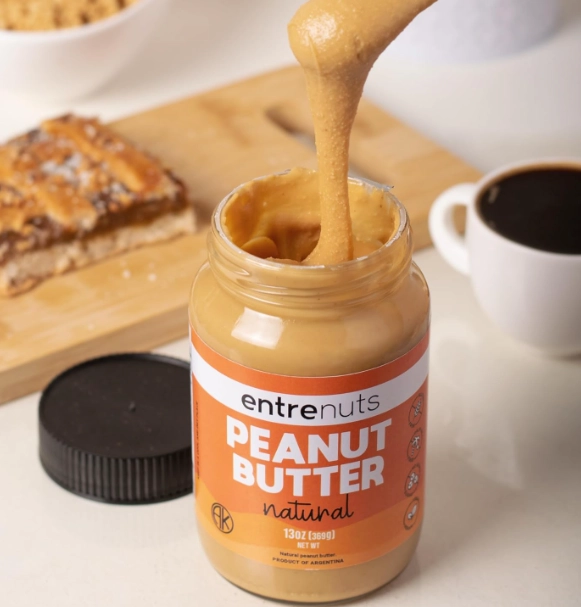
Step 3: Consider Texture and Source
Do you want crunchy or smooth? This is pure preference. Some argue crunchy gives more peanut flavor. Also, some brands now specify the peanut origin (USA, Argentina). This matters less for taste and more if you have ethical or support-local preferences.
Brand Breakdown: A Real-World Comparison
Let's get concrete. Here’s a look at some widely available options in US stores like Whole Foods, Kroger, and Target. I've bought and tasted these myself.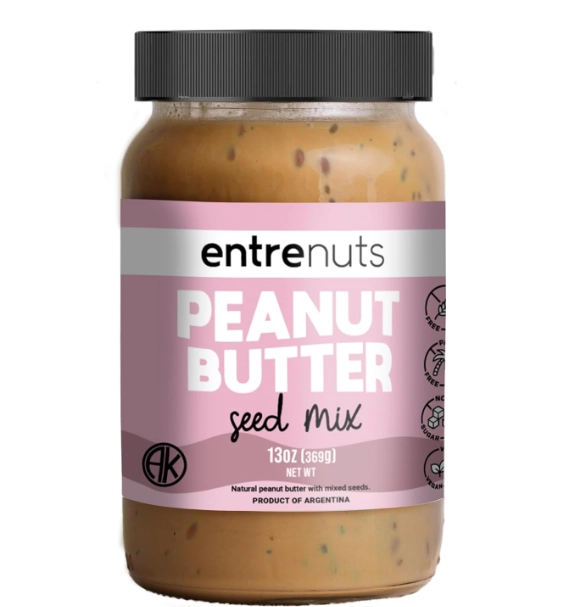
| Brand | Ingredients (The Truth) | Price Point (for 16oz) | My Notes & Taste |
|---|---|---|---|
| Smucker's Natural | Peanuts, Salt. | $$ (Mid-range) | The classic. Widely available, consistent. Has a robust, slightly salty roast. Oil separation is significant—requires serious stirring. |
| Teddie All Natural | Peanuts, Salt. | $$ (Mid-range) | My personal go-to. Creamier texture than Smucker's right after stirring. Less gritty. Found mostly in the Northeast. |
| 365 (Whole Foods) | Peanuts. | $ (Budget) | Excellent value. No salt version is very plain—great for cooking. The salted version is perfectly balanced. Their store grinder is also a fantastic option for ultra-fresh. |
| Santa Cruz Organic | Organic Peanuts. | $$$ (Premium) | Lightly roasted, subtle flavor. The organic premium is real. Texture is lovely. For the price, I expect perfection, and it delivers. |
| Adams 100% Natural | Peanuts. | $$ (Mid-range) | A West Coast staple. Similar to Smucker's. The "No Stir" version contains palm oil—avoid that one. Stick to the classic. |
The biggest surprise for many? The store-brand options (like 365 or Kroger's Simple Truth) are often just as good, if not better value, than the name brands. Never skip checking them.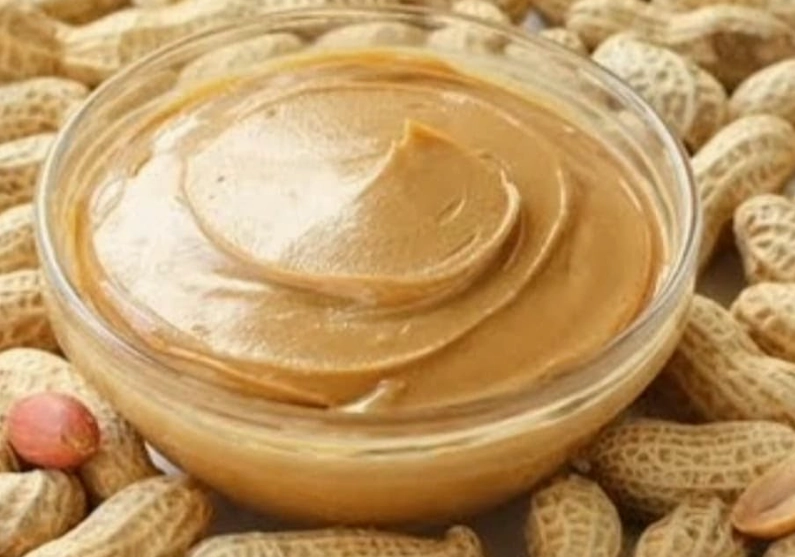
Beyond the Sandwich: Kitchen Hacks & Recipe Ideas
This is where no-sugar peanut butter shines. Its pure, savory nuttiness is a versatile ingredient, not just a spread.
The Stirring Problem (Solved): Store the new jar upside down for a day before opening. The oil migrates through the paste, making the first stir much easier. Once stirred, keep it in the fridge. The cold thickens the oils and it stays combined. You'll never have a watery sandwich again.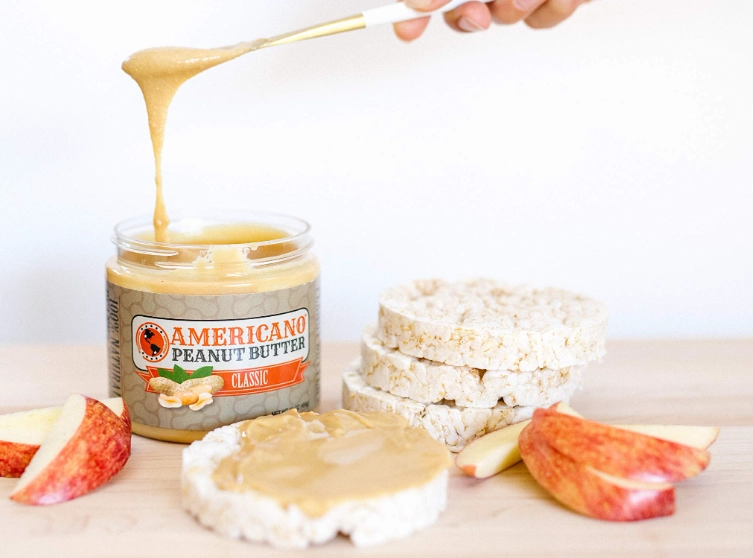
Savory Sauce Base: This changed my weeknight cooking. Whisk together 1/4 cup natural peanut butter, 2 tbsp soy sauce or tamari, 1 tbsp lime juice, 1 tsp grated ginger, a minced garlic clove, and a splash of water to thin. Toss with noodles, drizzle over grilled chicken or tofu, or use as a salad dressing. It's complex, rich, and has no added sugar unlike most store-bought satay sauces.
The 3-Ingredient Energy Bite: Mash 1 cup old-fashioned oats, 1/2 cup natural peanut butter, and 1/4 cup pure maple syrup or mashed very ripe banana. Roll into balls. The peanut butter binds everything. They're not cloyingly sweet.
Smoothie Booster: A tablespoon adds creaminess, protein, and healthy fats. It pairs perfectly with banana, cocoa powder, and spinach. You won't miss the sugar.
I used to think it was only for health nuts. Now I see it as my secret weapon for deeper flavor.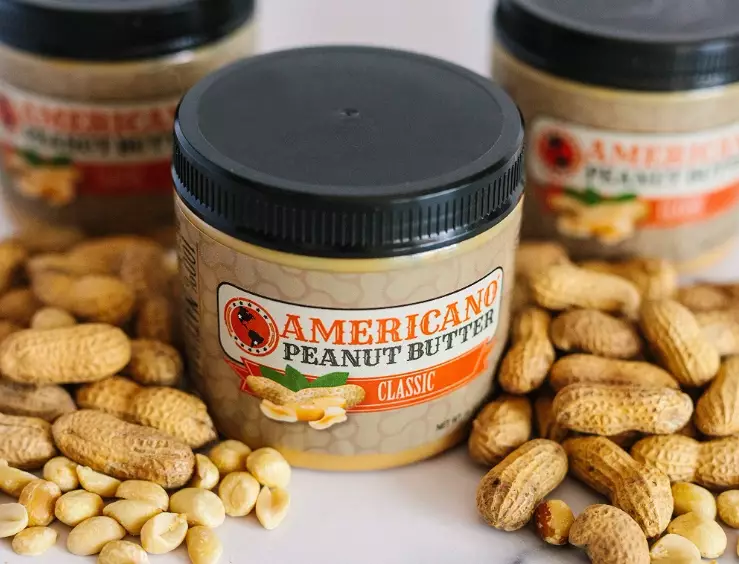
Your Questions, Answered
The bottom line isn't about finding the one "best" brand. It's about finding the one with the simplest ingredients that you'll actually enjoy eating. Give your taste buds a week to adapt. Read every label, every time. Embrace the stir. Once you reset your expectations around what peanut butter should be—a paste of peanuts—there's no going back to the overly processed, sweetened alternative. It becomes less of a "health food" and more of just... real food.
Reader Comments