Let's be honest. The idea of making traditional fudge—watching a candy thermometer, praying for the soft-ball stage, avoiding sugar crystals—is enough to make most home bakers reach for the store-bought stuff. I've been there. But what if I told you there's a peanut butter fudge recipe that ditches all that fuss? One that relies on a humble jar of marshmallow fluff to guarantee a creamy, dreamy texture every single time, with zero cooking required. This isn't just another recipe; it's your gateway to becoming the person who brings the legendary fudge to every potluck and holiday gathering.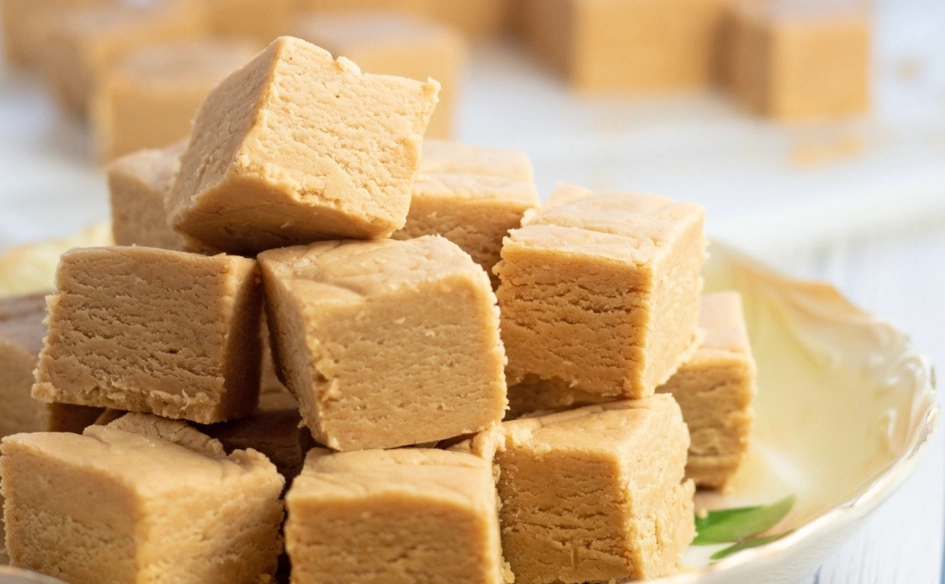
What's Inside This Guide
What You'll Need: The Simple Ingredients
This recipe's magic is in its minimalism. Each component has a specific job. Swap or skimp, and the texture can suffer. Here’s the breakdown of your shopping list.
| Ingredient | Quantity | Its Role & Pro Tips |
|---|---|---|
| Peanut Butter | 1 cup (about 250g) | Use regular, creamy commercial peanut butter like Jif or Skippy. The stabilizers (hydrogenated oils) are crucial for a firm set. Natural peanut butter (oil on top) will lead to a greasy, soft mess. This is the non-negotiable rule most blogs gloss over. |
| Marshmallow Fluff/Creme | 1 jar (7 oz or about 200g) | The star stabilizer. It provides structure and that iconic, smooth melt-in-your-mouth feel. Don't substitute with mini marshmallows melted down—the texture and sugar composition are different. |
| Unsalted Butter | 1/2 cup (1 stick or 113g) | Adds richness and helps the mixture emulsify. Unsalted lets you control the saltiness. Must be softened to room temperature for easy blending. |
| Pure Vanilla Extract | 1 teaspoon | Enhances all the other flavors. Imitation vanilla can leave a chemical aftertaste in such a simple recipe. |
| Powdered Sugar | 3 3/4 to 4 cups (about 1 lb or 450g) | Sifted. This is your main body and sweetener. Sifting is not a "nice-to-have"; it prevents lumps that will never blend out, giving you gritty fudge. |
| Fine Sea Salt | 1/4 teaspoon (plus more for topping) | Balances the intense sweetness and makes the peanut butter flavor pop. A flaky salt sprinkle on top at the end is a game-changer. |
You'll also need an 8x8 inch baking pan. Lining it with parchment paper, leaving an overhang on two sides, is the professional trick for flawless removal. No more hacking your fudge out of the pan.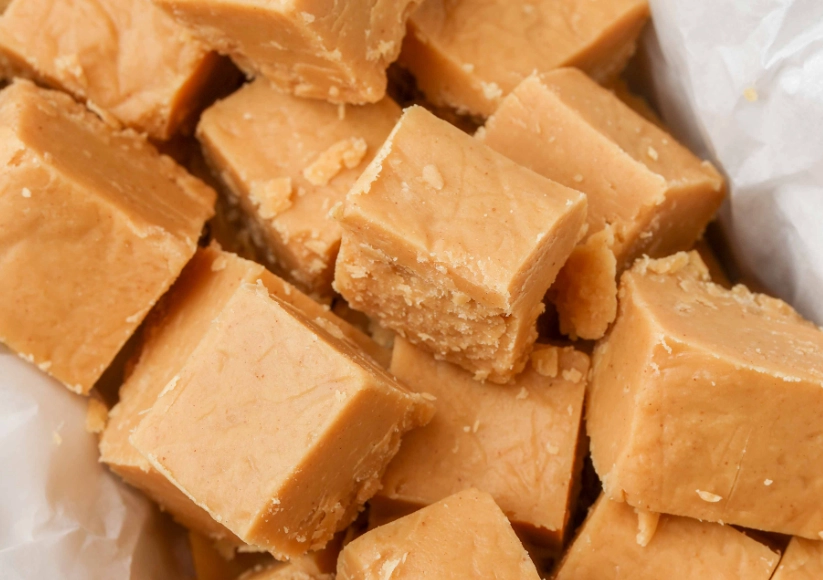
How to Make Peanut Butter Fluff Fudge: The Foolproof Steps
This process takes about 15 minutes of active time. The hardest part is waiting for it to set.
Step 1: The Foundation Mix
In a large mixing bowl, combine the softened butter and the entire jar of marshmallow fluff. Use a hand mixer or a sturdy wooden spoon. Beat them together until they're completely smooth and uniform. No streaks of butter should remain. This initial emulsion is critical—it's the base that will hold everything else.
Step 2: Incorporate the Star
Add the 1 cup of peanut butter and the 1 teaspoon of vanilla extract to the bowl. Mix again until it's a homogenous, creamy, tan-colored paste. Scrape down the sides of the bowl. At this stage, it already smells incredible.
Step 3: The Sugar Integration (The Most Important Part)
Here's where most people fail: they dump all the sugar in at once. Don't. Start by adding about 2 cups of your sifted powdered sugar. Mix on low speed until just combined. It will be dry and crumbly. That's normal. Add another 1 3/4 cups of sugar and mix again. The mixture will become very stiff, resembling a thick cookie dough.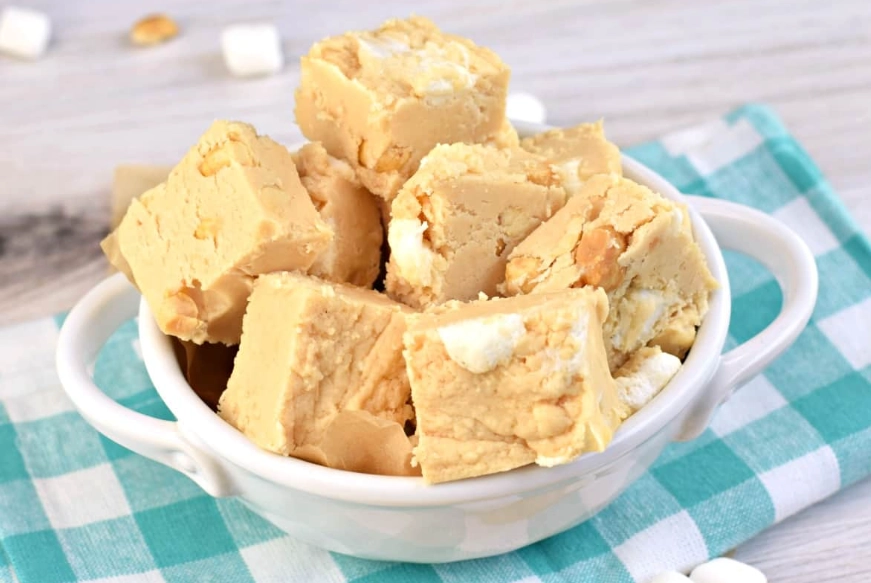
Now, stop and assess. Pinch a bit between your fingers. It should hold together firmly but still feel a bit pliable. If it's too soft or sticky to handle, mix in the remaining 1/4 cup of sugar, a few tablespoons at a time. The exact amount can vary based on your peanut butter brand and humidity.
Step 4: Press, Don't Spread
Transfer the fudge mixture into your prepared pan. Don't try to spread it like frosting—you'll tear it. Instead, use your hands or the bottom of a lightly buttered measuring cup to press it firmly and evenly into every corner. Apply even pressure to prevent air pockets. A flat-bottomed glass works great here.
Step 5: The Final Touch & The Wait
Sprinkle the top with a pinch of flaky sea salt. This isn't just decoration. The tiny bursts of saltiness cut through the richness perfectly. Now, cover the pan and let it set at room temperature for at least 4 hours, though overnight is ideal. Do not refrigerate it to speed things up—that can cause condensation and make the surface tacky.
Why This Recipe Works: The Science of Simplicity
Traditional fudge relies on precise sugar crystallization. This recipe bypasses that entirely. The marshmallow fluff is a pre-made foam of sugar, corn syrup, and egg whites, already in a stable, amorphous state. When combined with the fats from the peanut butter and butter, and then bulked up with powdered sugar (which contains cornstarch to prevent caking), it creates a stable, non-crystalline matrix. You're essentially making a confectionery concrete where the fluff is the binding agent. It's foolproof because the chemistry is already done for you in the Fluff jar.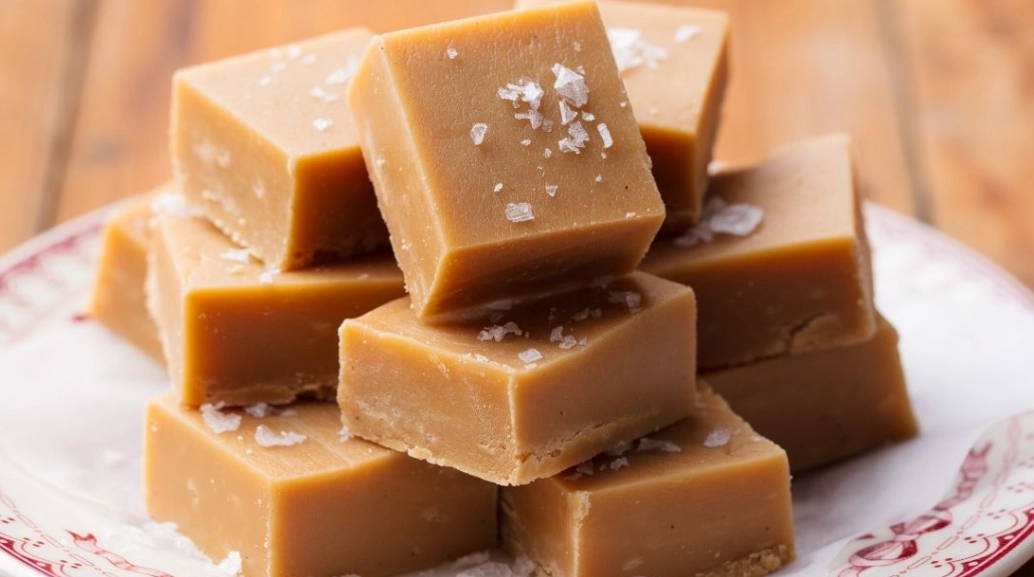
The choice of commercial peanut butter is the other half of the equation. Its mono- and diglycerides act as emulsifiers, keeping the oil firmly bound. Natural peanut butter separates because it lacks these stabilizers, and that free oil will weep out of your fudge, creating an oily layer and a crumbly texture.
Troubleshooting Common Fudge Problems
Likely Cause: 1) Not enough powdered sugar was incorporated. 2) You used natural peanut butter. 3) It didn't set long enough.
Fix: You can't really fix batch one, but crumble it over ice cream—it's amazing. For next time, ensure you add enough sugar until the mixture is very stiff, and use the right peanut butter.
Problem: The fudge is grainy.
You didn't sift the powdered sugar. Lumps of sugar won't dissolve in this no-heat method. Always sift.
Problem: It's too hard or crumbly.
You over-mixed after adding the sugar, or you added too much sugar. Once the dry ingredients are just incorporated, stop mixing. Overworking it can develop the cornstarch in the sugar, leading to a pasty, tough texture.
Problem: There's a layer of oil on top.
This is the telltale sign of using natural peanut butter. The oil has separated out. Stick to stabilized brands for fudge.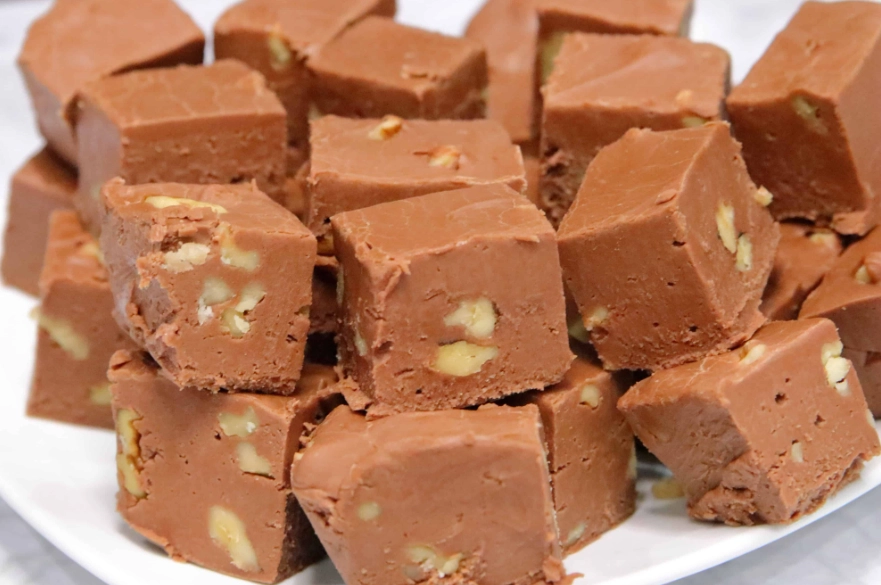
Your Fudge Questions, Answered
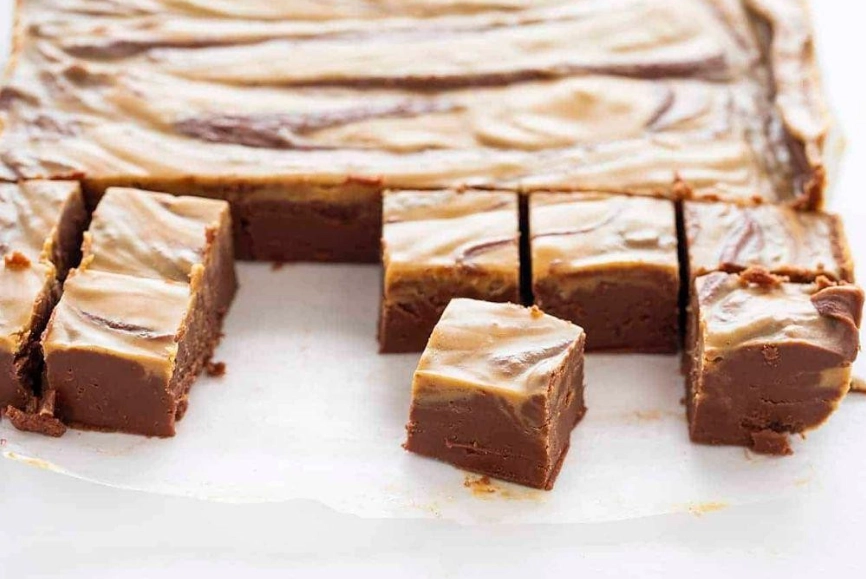 My fudge is too sweet. Can I reduce the sugar?
This peanut butter fudge with marshmallow fluff is more than a recipe—it's a reliable technique. It delivers the rich, peanut buttery, meltaway satisfaction of classic fudge without the anxiety. It's the dessert that makes you look like a seasoned confectioner, when all you did was stir a few things together in a bowl. Give it a try this weekend. The hardest part, I promise, will be not eating the whole pan yourself.
Reader Comments