Let's be honest. Traditional peanut butter fudge recipes can be intimidating. They talk about cooking sugar to the "soft-ball stage" (what does that even look like?), using candy thermometers, and constant stirring to avoid grainy crystals. It's enough to make you just buy a box from the store. But what if I told you there's a method that bypasses all that fuss, delivering creamy, dreamy fudge with almost zero chance of failure? The secret weapon is already in your pantry: marshmallows.
This isn't a hack; it's a legitimate, time-tested technique. Using marshmallows or marshmallow creme acts as a stabilizer and emulsifier, giving you a fudge that sets reliably without precise temperature control. I've been making fudge this way for over a decade, and it's the only recipe I recommend to beginners. It's the ultimate no-bake, no-fail dessert for holidays, potlucks, or just a Tuesday craving.
What You'll Find in This Guide
- Why Marshmallows Make Fudge Foolproof
- Your Shopping List: Choosing the Right Stuff
- How to Make Peanut Butter Fudge with Marshmallows: A Visual Walkthrough
- The 3 Mistakes That Ruin Marshmallow Fudge (And How to Avoid Them)
- Beyond Basic: Flavor Twists and Add-Ins
- Keeping It Fresh: Storage and Gifting Tips
- Your Fudge Questions, Answered
Why Marshmallows Make Fudge Foolproof
Think of marshmallows as your insurance policy. In a classic fudge, you create a sugar syrup that crystallizes in a specific, controlled way to become smooth and firm. It's a delicate science. Marshmallows are packed with gelatin and sugar that have already been cooked and stabilized. When melted, they create a structure that holds the fat from the peanut butter and butter in a smooth emulsion, preventing separation and ensuring a consistent set.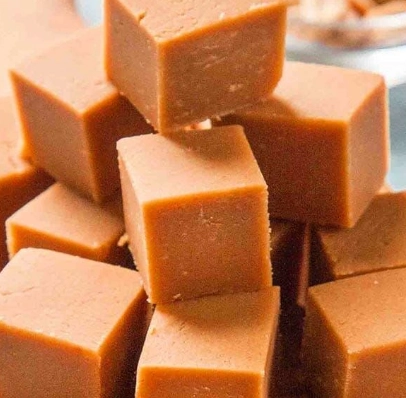
The biggest advantage? You don't need a candy thermometer. The "cooking" is just melting everything together. This eliminates the single biggest point of failure for most home cooks. The result is a fudge that's consistently creamy, slightly softer than the old-fashioned kind, but with an incredibly rich peanut butter flavor that doesn't get masked by overcooked sugar.
The Texture Trade-Off: A Honest Take
Purists might say this isn't "true" fudge. They have a point. This version is denser and more velvety than the crystalline, sometimes crumbly texture of traditional fudge. I love both, but for reliability and sheer peanut butter punch, the marshmallow method wins every time. It's like the difference between a cheesecake and a soufflé—both are delicious, but one is far more forgiving to make.
Your Shopping List: Choosing the Right Stuff
Simple ingredients don't mean all ingredients are equal. Your choices here directly impact flavor and texture.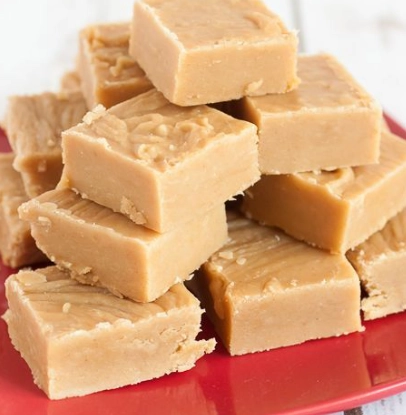
| Ingredient | My Recommendation & Why | What to Avoid |
|---|---|---|
| Peanut Butter | Use a standard, shelf-stable creamy peanut butter like Jif or Skippy. The stabilizers (hydrogenated oils) help the fudge set firmly. For a more natural option, use a "no-stir" natural peanut butter where the oil doesn't fully separate. | Runny, oily natural peanut butter that you have to stir. It can make the fudge greasy and prevent it from setting. |
| Marshmallows | Standard-size white marshmallows work perfectly. You can also use 1.5 cups (about 120g) of marshmallow creme (Fluff). The creme is slightly easier to mix but offers the same result. | Mini marshmallows melt faster but are fine. Avoid stale or hardened marshmallows. |
| Butter | Unsalted butter. This lets you control the salt level. Salted butter can work in a pinch, but you might want to reduce the added salt slightly. | Margarine or spreads with a high water content. They can affect texture and flavor. |
| Milk | Whole milk or 2% milk. The bit of fat helps with richness and emulsion. Evaporated milk is a fantastic upgrade for an even creamier result. | Non-fat milk or heavy cream. Non-fat can make the texture less luxurious, and heavy cream is too rich and can make it overly soft. |
| Vanilla Extract | Pure vanilla extract. It rounds out the flavors. Imitation vanilla can leave a slight chemical aftertaste in such a simple recipe. | Skipping it. It's a small amount that makes a big difference. |
A note on sugar: This recipe uses granulated sugar. Some versions use brown sugar for a deeper, molasses note. I find it competes with the peanut flavor, but it's a valid variation if you like that combo.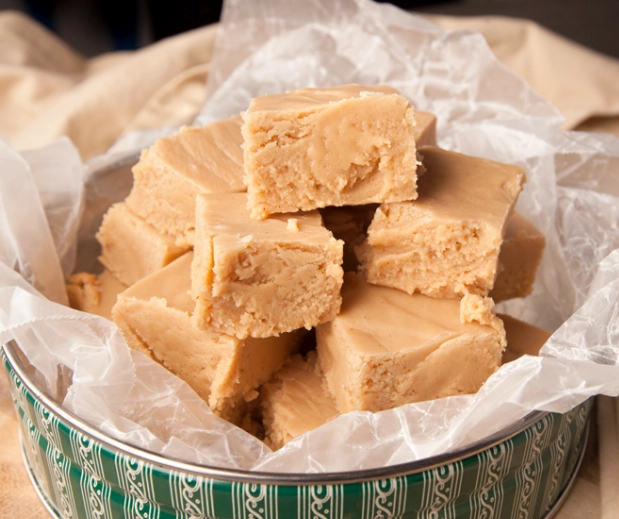
How to Make Peanut Butter Fudge with Marshmallows: A Visual Walkthrough
Here’s the process, broken down so you know exactly what to expect. Total hands-on time is about 15 minutes.
Step 1: The Foundation Melt
Combine the sugar, milk, and butter in a medium, heavy-bottomed saucepan. Why heavy-bottomed? It distributes heat evenly, preventing the sugar from scorching on the bottom. Bring this to a boil over medium heat, stirring constantly until the butter melts and the sugar dissolves. Once it reaches a full, rolling boil, set your timer for exactly 2 minutes. Keep stirring. This brief boil helps dissolve the sugar completely and starts the thickening process.
Step 2: The Magic Merge
Remove the pot from the heat. Immediately add the marshmallows and vanilla extract. Stir vigorously until the marshmallows are completely melted and the mixture is smooth. This takes a minute or two of good stirring. You'll see it transform from a milky liquid to a thick, glossy, white concoction.
Now, add the peanut butter. I like to add it in two or three dollops, stirring well after each addition until fully incorporated. Don't over-mix once everything is combined. Over-stirring at this stage can incorporate too much air, leading to a fudge that's more crumbly than creamy.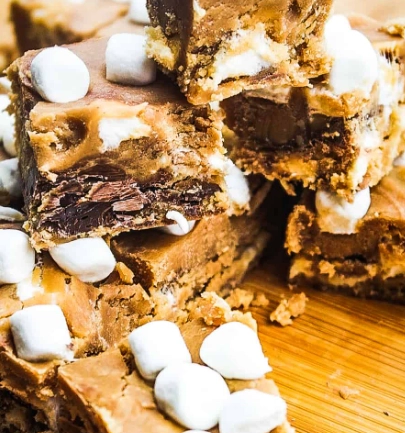
Step 3: Set and Forget
Pour the thick, glossy fudge batter into a prepared 8x8 inch pan lined with parchment paper or lightly greased foil. Spread it evenly with a spatula. Don't worry if it looks a bit soft; it will firm up dramatically as it cools.
This is the critical patience test: let it cool at room temperature until the pan is no longer warm to the touch, then refrigerate for at least 3-4 hours, or overnight. I know it's tempting to cut into it early, but if you try to cut it before it's fully set, you'll get a messy, soft slab. The refrigeration is non-negotiable for clean slices.
The 3 Mistakes That Ruin Marshmallow Fudge (And How to Avoid Them)
Even an easy recipe has pitfalls. Here are the ones I see most often.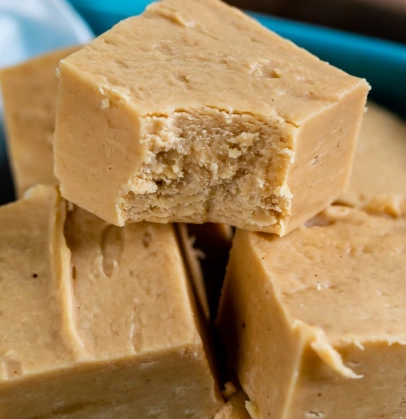
1. Using the Wrong Peanut Butter. This is the #1 reason for oily, soft fudge that never sets. That artisanal, oil-on-top natural peanut butter is for toast, not for this fudge. The oils separate out during setting. Stick with a commercial brand for guaranteed results. If you must go natural, choose one labeled "no-stir" and still expect a slightly softer texture.
2. Not Boiling Long Enough (or Boiling Too Long). The 2-minute boil after the mixture reaches a full boil is crucial. It drives off just enough water to help the fudge set. Less time, and your fudge may be too soft. Significantly more time, and it can become overly hard and sugary. Set a timer.
3. Skipping the Full Chill. Setting at room temperature is not enough. The fats need to fully solidify in the fridge to get that perfect, sliceable consistency. Rushing this step leads to frustration when you try to cut it. Plan ahead.
Beyond Basic: Flavor Twists and Add-Ins
The basic recipe is a blank canvas. Once you've mastered it, try these twists.
- Chocolate Swirl: Melt 1/2 cup of chocolate chips with a teaspoon of butter. After pouring the fudge into the pan, dollop the melted chocolate on top and swirl with a knife.
- Crunchy Delight: Stir in 1 cup of chopped salted peanuts, pretzel pieces, or even crispy rice cereal right before pouring.
- Cookie Dough Fudge: Add 1/2 cup of mini chocolate chips and 2 tablespoons of brown sugar to the mixture with the peanut butter.
- Spiced: Add 1 teaspoon of cinnamon or a pinch of cayenne pepper with the vanilla for a warm kick.
Keeping It Fresh: Storage and Gifting Tips
Properly stored, this fudge keeps beautifully. Store it in an airtight container in the refrigerator for up to 2 weeks. You can also freeze it for up to 3 months; layer it between parchment paper in a freezer-safe container. Thaw overnight in the fridge.
For gifting, cut into small squares and place in mini paper candy cups. Pack them in a decorative tin or box with layers of parchment paper. It ships surprisingly well in cool weather.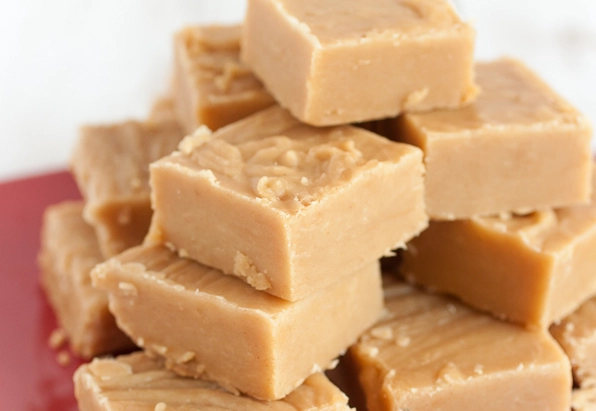
Reader Comments