You want a peanut butter cookie. You want it now. You don't want to dig through the pantry for ten different ingredients or spend an hour cleaning up. I get it. That's why this simple peanut butter cookies recipe exists. It's the one I've been making for over a decade when a cookie craving hits or I need a last-minute treat. With just three core ingredients—peanut butter, sugar, and an egg—you can have warm, fragrant cookies ready in under 20 minutes, start to finish. No flour, no baking soda, no fuss. It's a lifesaver for gluten-free needs and a testament to how minimalism can create something truly delicious.
What's Inside This Recipe Guide?
- What Makes This Peanut Butter Cookie Recipe So Simple?
- The 3-Ingredient Breakdown: Choosing Your Weapons
- How to Make 3-Ingredient Peanut Butter Cookies: Step-by-Step Guide
- Troubleshooting: Fixing Common Simple Cookie Problems
- Beyond Basic: Smart Variations & Flavor Upgrades
- Storing & Serving Your Simple Peanut Butter Cookies
- Your Simple Peanut Butter Cookie Questions, Answered
What Makes This Peanut Butter Cookie Recipe So Simple?
Most traditional cookie recipes are built on a foundation of flour, fat (butter), sugar, eggs, and leavening. This recipe strips it back to the absolute essentials. The peanut butter itself provides the fat and protein structure. The egg acts as the binder and provides some lift. The sugar sweetens and helps with spreading and caramelization.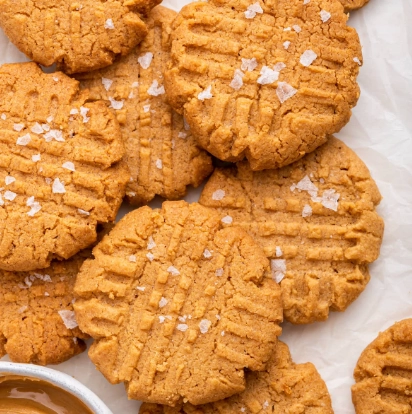
This isn't just about fewer ingredients. It's about a faster process. No creaming butter and sugar. No worrying about over-mixing flour and developing gluten. You're literally just stirring three things together in one bowl. The dough comes together in about 5 minutes. The baking takes 10. It's almost faster than running to the store.
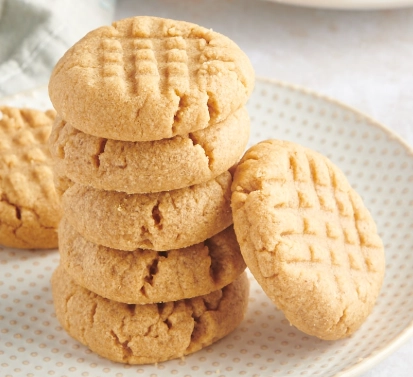
But here's the non-consensus bit many recipes gloss over: the texture is different. Without flour, you won't get the classic, slightly cakey interior of a standard peanut butter cookie. What you get is denser, richer, with a more intense peanut flavor and a texture that's fudgy-chewy right out of the oven, turning delightfully crisp at the edges as they cool. Some people actually prefer this. I know I do for a quick fix.
The 3-Ingredient Breakdown: Choosing Your Weapons
With so few components, the quality and type of each one matters immensely. Get this wrong, and your simple cookies can go from sublime to sad.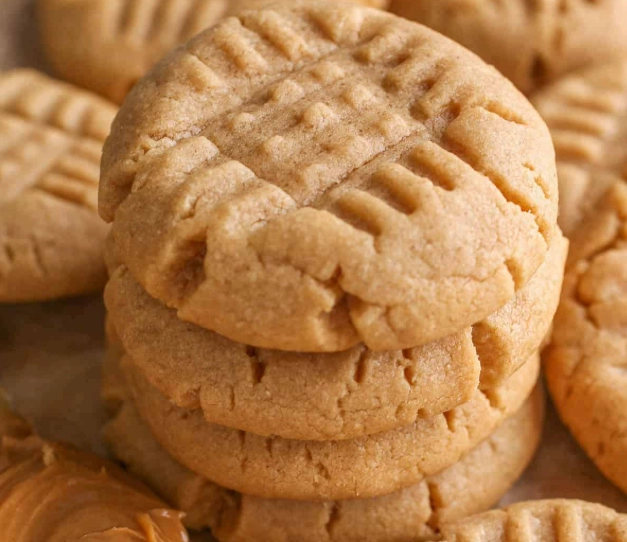
1. Peanut Butter: The Star of the Show
This is the most critical choice. You need a commercial, processed peanut butter like Jif or Skippy. The kind that's homogenized with added stabilizers (like hydrogenated oils). Why? Because it has a consistent, thick texture and the right oil content. The stabilizers prevent the oil from separating too much during baking, which is crucial since there's no flour to absorb excess fat.
Natural peanut butter (the kind you have to stir) is the #1 reason this recipe fails for beginners. It's often too oily, leading to greasy, flat cookies that spread into a single, sad puddle on your baking sheet. If you're committed to natural, you must drain off excess oil and use it straight from the fridge. Even then, results can be unpredictable.
2. Sugar: The Texture Architect
Granulated white sugar is standard and works perfectly. It creates a crisper cookie with those classic fork-mark cracks. For a deeper flavor and slightly chewier texture, you can substitute up to half the white sugar with packed light brown sugar. The molasses in brown sugar adds moisture and complexity. Don't use all brown sugar, though—it can make the cookies too soft and prone to burning.
3. The Egg: The Binder
One large egg. Room temperature is ideal for even mixing, but I've used it straight from the fridge in a pinch and it's been fine. The egg is non-negotiable for structure. There's no reliable vegan substitute in this ultra-simple format that replicates its binding and leavening properties perfectly.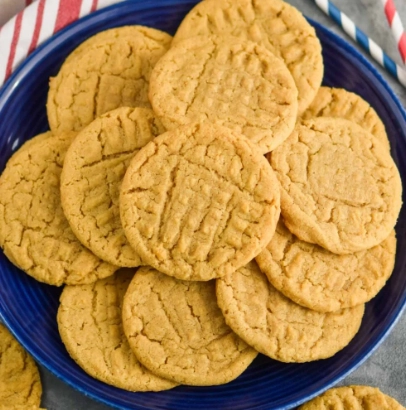
Pro Measurement Tip: For peanut butter and brown sugar, use the "spoon and level" method. Spoon the ingredient into your measuring cup and level it off with a straight edge. Don't scoop directly from the jar or pack it in—this can add up to 25% more ingredient and throw off the delicate balance.
| Ingredient | Role in the Recipe | Best Choice for Success | Quantity for 12 Cookies |
|---|---|---|---|
| Peanut Butter | Provides fat, flavor, and structure. | Processed, creamy style (e.g., Jif, Skippy). | 1 cup (250g) |
| Granulated Sugar | Sweetens, aids spreading and caramelization. | Standard white sugar. | 1 cup (200g) |
| Large Egg | Binds ingredients, provides slight lift. | 1 whole egg, room temperature. | 1 |
How to Make 3-Ingredient Peanut Butter Cookies: Step-by-Step Guide
Let's walk through the process. It's simple, but a few visual cues make all the difference.
- Prep: Heat your oven to 350°F (175°C). Line a baking sheet with parchment paper. No greasing needed—the cookies have enough fat.
- Mix: In a medium bowl, combine the 1 cup of peanut butter, 1 cup of sugar, and the egg. Stir with a sturdy spoon or spatula until fully combined. The dough will be thick, sticky, and slightly glossy. It should hold together when pinched.
- Portion: Roll dough into 1-inch balls (about 1 tablespoon each). Place them on the prepared sheet, leaving about 2 inches between them. They will spread.
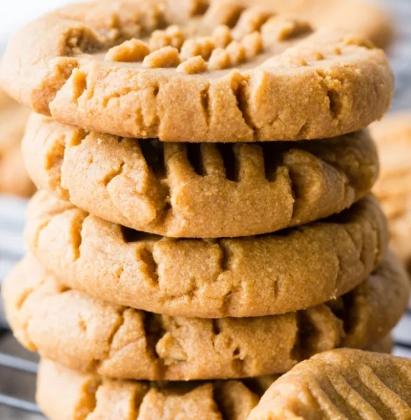
- Flatten & Pattern: This is the signature step. Use a fork to gently press down on each ball, creating a crisscross pattern. Dip the fork in a little sugar between presses to prevent sticking. Don't smash them completely flat—just enough to about 1/2 inch thick.
- Bake: Bake for 10-12 minutes. They won't look "done" in the traditional sense. The edges will be just set and lightly golden, but the centers will look soft and puffy. This is correct. Overbaking leads to dry, crumbly cookies.
- Cool: Let the cookies cool on the baking sheet for 5 minutes. They are extremely fragile when hot. Then, transfer them to a wire rack to cool completely. They will firm up dramatically as they cool.
Troubleshooting: Fixing Common Simple Cookie Problems
Even simple recipes can have hiccups. Here’s how to diagnose and fix them.
- Cookies are flat and greasy: Almost certainly the peanut butter was too oily. You used a natural variety or a brand with a very high oil content. Next time, use a stabilized brand. For this batch, try blotting the cooled cookies gently with a paper towel and enjoy them as a more "crisp" style.
- Cookies are dry and crumbly: You overbaked them, or you packed too much peanut butter into the measuring cup. Remember, 10-12 minutes is the sweet spot. They continue to cook on the hot tray.
- Dough is too sticky to handle: Chill it in the fridge for 20-30 minutes. This firms up the fats and makes rolling much easier. Wet your hands slightly with water when rolling to prevent sticking.
- No cracks form when pressing with fork: The dough might be too cold or too wet. Ensure you're using the right peanut butter. Let the dough sit at room temp for a few minutes if chilled. The cracks are aesthetic, not essential for taste.
Beyond Basic: Smart Variations & Flavor Upgrades
The beauty of a simple base is that it's a canvas. Once you master the 3-ingredient version, try these easy additions. Mix any add-ins into the dough after combining the core three ingredients.
Flavor Boosters (Add 1 teaspoon):
- Pure vanilla extract (a classic).
- Ground cinnamon or a pinch of cayenne for warmth.
- Instant espresso powder for a mocha twist.
Texture Add-Ins (Add 1/2 cup):
- Semi-sweet chocolate chips (the crowd-pleaser).
- Chopped salted peanuts for extra crunch.
- Rolled oats (about 1/4 cup) for a heartier bite.
Want a 4th ingredient that changes the game? Add 1/2 teaspoon of baking soda. It's not traditional in the ultra-simple version, but it gives more lift and a slightly more traditional, tender crumb. It's a great bridge between the minimalist and classic recipes.
Storing & Serving Your Simple Peanut Butter Cookies
These cookies store beautifully. Once completely cool, place them in an airtight container at room temperature. They'll stay fresh for up to 5 days. The sugar content helps preserve them.
For longer storage, freeze the baked cookies in a single layer on a tray, then transfer to a freezer bag. They'll keep for 2-3 months. Thaw at room temperature. You can also freeze the dough balls; bake from frozen, adding 1-2 minutes to the baking time.
Serve them with a glass of cold milk, crumbled over vanilla ice cream, or just grab one straight from the jar. They're that kind of cookie.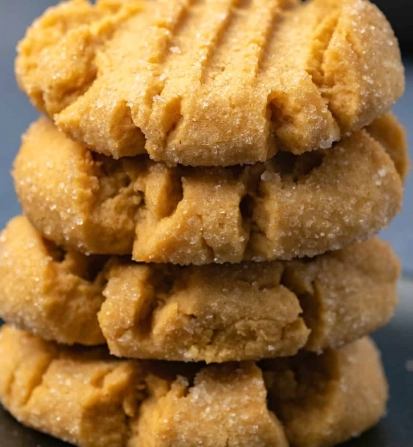
Your Simple Peanut Butter Cookie Questions, Answered
So there you have it. A simple peanut butter cookies recipe that's less of a formal recipe and more of a kitchen hack for instant gratification. It proves that with a jar of the right peanut butter, some sugar, and an egg, you're never more than 20 minutes away from a warm, homemade cookie. It's the recipe I come back to time and again, not because it's fancy, but because it works. Every single time. Now go preheat that oven.
Reader Comments