You're staring at that nearly-full jar of peanut butter in your pantry again. Sandwiches are fine, but there's a whole universe of flavor waiting to be unlocked. The question "what to make with peanut butter" doesn't have a single answer—it's an invitation to explore. From the instant gratification of a no-bake snack to the slow-simmered depth of a savory dinner sauce, peanut butter is one of the most versatile ingredients you own. Let's ditch the predictable and dive into recipes that are actually exciting, surprisingly simple, and guaranteed to make that jar disappear.
What's Inside This Jar of Inspiration?
- How to Make Perfect Peanut Butter Cookies (Every Time)
- The Secret Weapon: A 5-Minute Peanut Sauce for Noodles & Veggies
- No-Bake Protein Power: Customizable Peanut Butter Energy Bites
- The Ultimate 4-Ingredient Peanut Butter Fudge
- Upgrade Your Morning: Peanut Butter Breakfast & Smoothie Ideas
- The Pro's Pantry: Choosing Your Peanut Butter & Key Tools
- Your Peanut Butter Questions, Answered
How to Make Perfect Peanut Butter Cookies (Every Time)
Let's start with a classic, but let's do it right. A great peanut butter cookie should be tender, a bit crumbly, with deep roasted flavor and those iconic fork marks. The mistake I see most? Overworking the dough. Peanut butter is already packed with fat, and if you treat the dough like bread dough, you'll develop the gluten in the flour and end up with tough, hard cookies.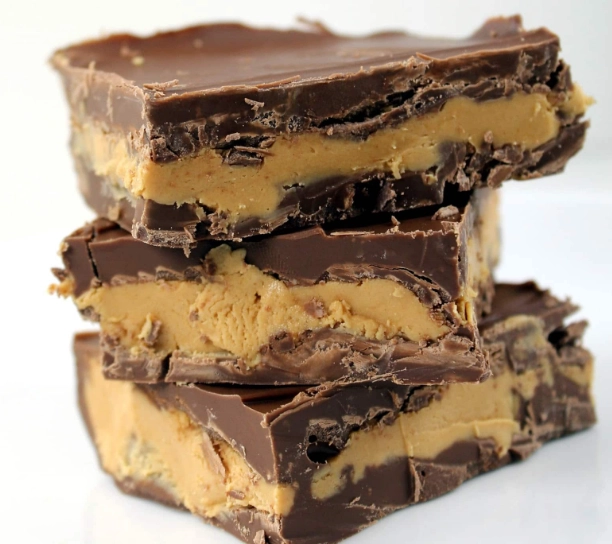
The Foolproof 3-2-1 Cookie Formula
This is my base ratio, easy to remember: 3 parts dry, 2 parts fat, 1 part sugar. For a standard batch:
- Dry (3 cups): 1.5 cups all-purpose flour + 1 tsp baking soda + 1/2 tsp salt.
- Fat (2 cups): 1 cup peanut butter (smooth or crunchy) + 1/2 cup softened unsalted butter + 1 large egg.
- Sweet (1 cup): 3/4 cup packed brown sugar + 1/4 cup granulated sugar.
Beat the fats and sugars until just combined and creamy. Mix the dry ingredients in a separate bowl, then fold them into the wet mix until no dry streaks remain—stop immediately. Chill the dough for 30 minutes (this prevents overspreading). Roll into balls, press with a fork, and bake at 350°F (175°C) for 10-12 minutes. They'll look underdone when you take them out; let them cool on the sheet for 5 minutes to set.
For a chewier cookie, use all brown sugar. For a crisper one, use all granulated. Want to go next level? Press a small piece of good dark chocolate into the center of each ball before baking.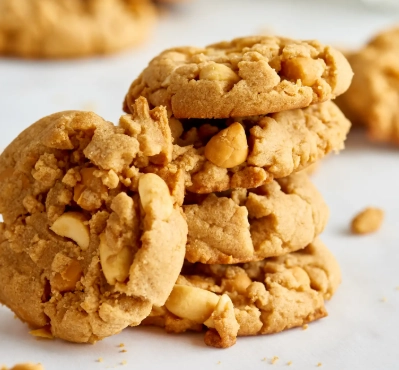
The Secret Weapon: A 5-Minute Peanut Sauce for Noodles & Veggies
If you only use peanut butter in sweets, you're missing half its magic. In many Asian cuisines, it's the base for rich, creamy, umami-packed sauces. This is my weeknight dinner lifesaver.
Whisk together in a bowl: 1/2 cup smooth peanut butter, 3 tbsp soy sauce (or tamari), 2 tbsp rice vinegar, 1 tbsp honey or maple syrup, 1 tbsp sesame oil, 1 clove grated garlic, 1 tsp grated ginger, and 4-6 tbsp warm water until it's a pourable consistency. Taste it. Is it your perfect balance? Maybe you want more tang (add vinegar) or more heat (a squirt of sriracha).
Toss it with cooked soba noodles, shredded chicken, and a mountain of sliced cucumbers and carrots. Drizzle it over roasted broccoli or baked tofu. Thin it out with more water and a splash of lime for a salad dressing. It keeps in the fridge for a week.
No-Bake Protein Power: Customizable Peanut Butter Energy Bites
These are the ultimate grab-and-go solution. They're not just another sweet ball; think of them as your personal fuel formula. The basic blueprint: 1 cup rolled oats, 1/2 cup peanut butter, 1/3 cup of a sticky sweetener (honey, maple syrup), and 1/4 cup of a mix-in. From there, the world is yours.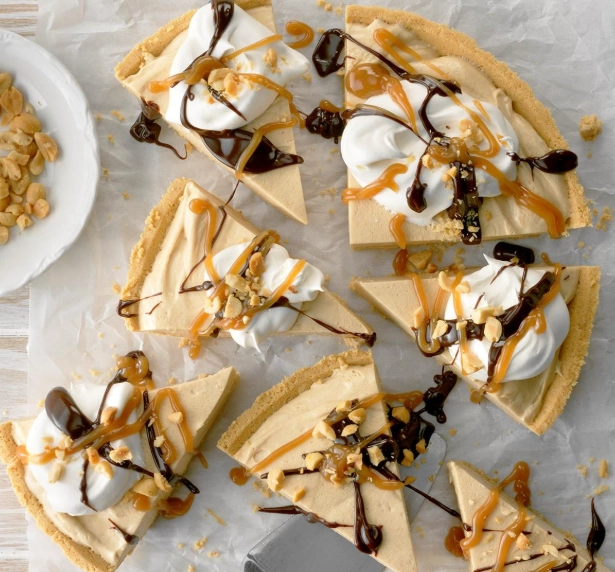
| Goal / Craving | Add-Ins (Choose 1-2) | Flavor Boosters |
|---|---|---|
| Post-Workout Recovery | Vanilla protein powder, chia seeds | Dash of cinnamon |
| Chocolate Fix | Mini dark chocolate chips, cacao nibs | 1 tbsp cocoa powder |
| Tropical Vibes | Unsweetened shredded coconut, chopped dried mango | Lime zest |
| Superfood Kick | Hemp hearts, ground flaxseed, goji berries | Pinch of sea salt |
Mix everything in a bowl until it holds together when pinched. If it's too dry, add a teaspoon more peanut butter or honey. Roll into tablespoon-sized balls. I keep a container in the fridge—they're better cold. Some recipes are just sugar bombs in disguise; these, when balanced, are actual sustenance.
The Ultimate 4-Ingredient Peanut Butter Fudge
No candy thermometer, no fuss. This is the recipe my grandmother made, and it works because of the specific ingredients. You'll need: 1 cup smooth peanut butter (not natural this time—use a standard brand like Jif or Skippy for stability), 1 cup unsalted butter, 1 teaspoon vanilla extract, and 1 pound (about 4 cups) of powdered sugar.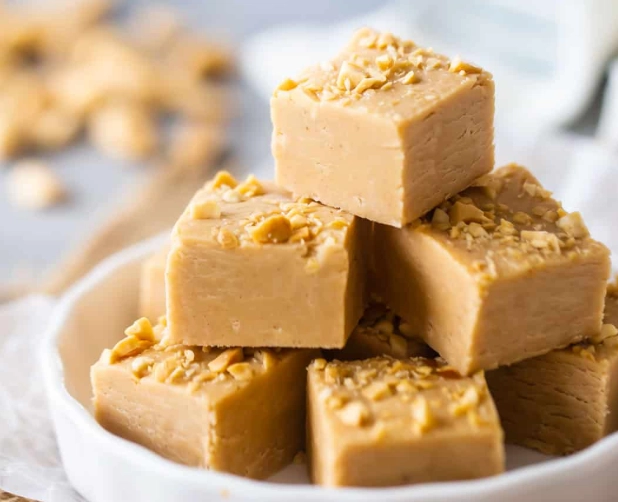
Melt the butter and peanut butter together over low heat or in the microwave, stirring until smooth. Stir in the vanilla. Gradually beat in the powdered sugar. It will become thick and difficult to stir—that's good. Press it firmly into a parchment-lined 8x8 inch pan. Chill until firm, then cut into small squares. The texture is creamy, rich, and melts in your mouth. It's dangerously easy.
Upgrade Your Morning: Peanut Butter Breakfast & Smoothie Ideas
Peanut butter in the morning adds staying power. It digests slowly, thanks to its mix of protein, fat, and fiber, helping you avoid a mid-morning crash.
For Oatmeal: Stir a tablespoon into your cooked oats. It makes them incredibly creamy and adds a nutty depth. Top with banana slices and a drizzle of honey.
For Toast: Move over, jelly. Try peanut butter with sliced apple and a sprinkle of cinnamon. Or with mashed raspberries. Or with a light drizzle of hot honey and flaky salt. It's a game-changer.
For Smoothies: This is where it shines. A heaping tablespoon adds creaminess and protein without a strong peanut flavor overwhelming your fruit. My go-to: 1 cup milk (or almond milk), 1 frozen banana, 1 big spoonful of peanut butter, a handful of spinach (you won't taste it), and a few ice cubes. Blend until smooth. It's a milkshake that's actually good for you.
The Pro's Pantry: Choosing Your Peanut Butter & Key Tools
Not all peanut butters are created equal, and the wrong choice can ruin a recipe.
- For Baking (cookies, fudge): Use conventional, shelf-stable peanut butter. The added stabilizers (like hydrogenated oils) give predictable results and help with texture and spread.
- For Sauces, Dressings, Smoothies: Go for natural peanut butter (just peanuts and salt). The cleaner flavor is ideal for savory applications and lets other ingredients shine.
- Crunchy vs. Smooth: This is pure preference. Smooth gives a uniform texture. Crunchy adds little bursts of peanut. In cookies, I prefer crunchy for that extra bite.
A good, heavy-duty whisk is non-negotiable for getting sauces smooth. A flexible silicone spatula ensures you get every last bit of dough or batter out of the bowl—peanut butter is too precious to waste. And keep a kitchen scale handy; measuring peanut butter by weight (grams) is far more accurate than using cup measures, especially for baking.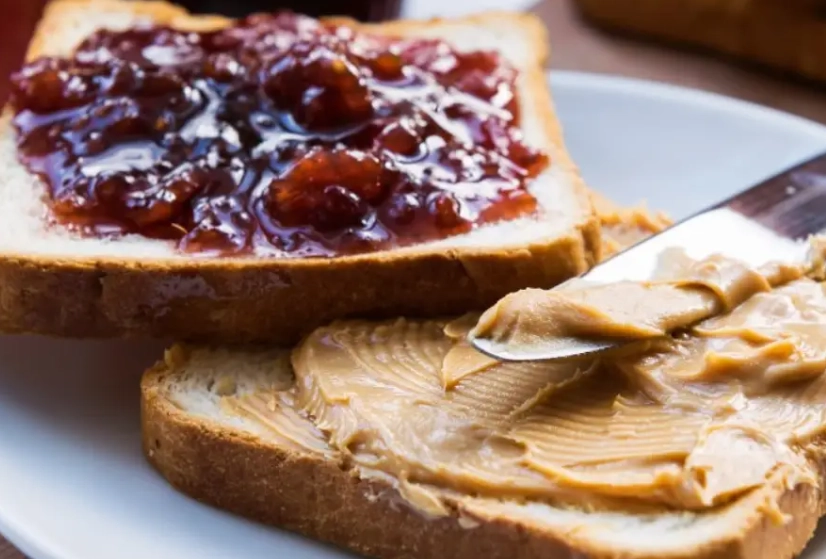
Reader Comments