My first peanut butter smoothie was a disaster. I threw in a huge scoop of the stuff from the jar, some milk, a banana, and hit blend. What came out wasn't a drink; it was a paste you could spread on toast. I had to drink it with a spoon. That was years ago, and since then, I've probably made over a thousand peanut butter smoothies. They've been my go-to breakfast after early morning runs, my afternoon pick-me-up, and my secret weapon for getting greens into my kids. The trick isn't just finding a recipe—it's understanding how peanut butter interacts with other ingredients to create something that's actually drinkable, satisfying, and genuinely good for you. Let's fix the common mistakes and make smoothies you'll crave.
What's Inside This Guide
Why Peanut Butter is a Smoothie Superstar
It's not just about flavor. Sure, that rich, nutty taste is fantastic, but the real magic is in the texture and nutrition. A tablespoon of standard peanut butter adds about 4 grams of protein and 2 grams of fiber. That's the combo that turns a sugary fruit drink into a meal that sticks with you. The healthy fats slow down digestion, providing sustained energy and helping you feel full for hours. Compared to other nut butters, peanut butter is often more affordable and accessible, making it a practical choice for daily use. But here's the catch I learned the hard way: not all peanut butter is created equal for smoothies.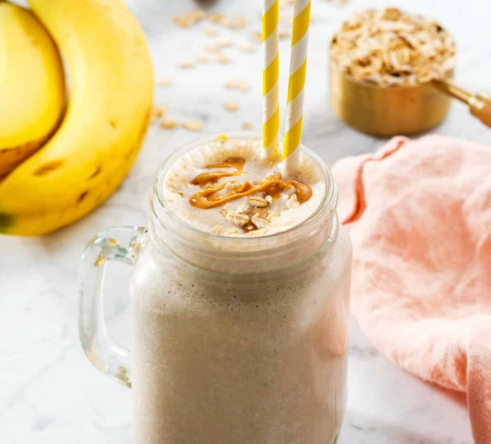
The Core Ingredients: Building Your Base
Think of your smoothie like a house. You need a solid foundation. Get this part wrong, and everything else feels off.
Choosing Your Peanut Butter
This is the most important decision. The oils and additives in your peanut butter dictate your smoothie's texture.
The Natural Stuff (Oil-on-top): This is my personal favorite for flavor. It gives an authentic, intense peanut taste. However, you must stir it thoroughly before scooping. If you don't, you'll get a blast of oil at the start and dry powder at the bottom of the jar, leading to a weird, separated smoothie. Once stirred, it blends beautifully.
Conventional Creamy (Jif, Skippy etc.): These are stabilized with hydrogenated oils to prevent separation. They're incredibly convenient and give a reliably smooth, thick texture. The downside? They often contain added sugars and the flavor can be sweeter and less "peanut-forward." They're foolproof for beginners.
Powdered Peanut Butter (PB2): A game-changer for high-protein, lower-calorie goals. You reconstitute it with water or add the powder directly. It delivers the flavor without most of the fat, but you lose the creamy, thickening power of the fats. Your smoothie will be thinner. I use it when I want a strong peanut flavor without the heaviness.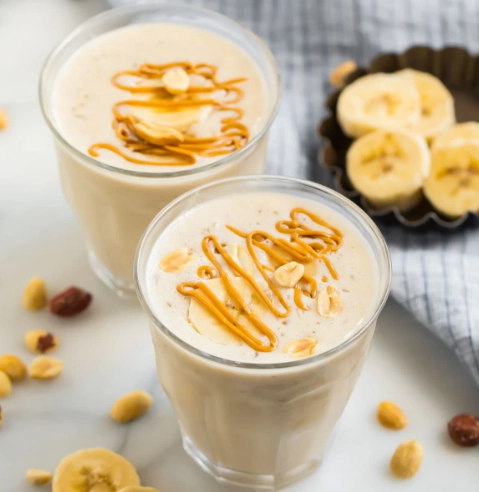
My Non-Consensus Take: Everyone says "use natural peanut butter." I disagree for beginners. If you're new to this and value a thick, milkshake-like texture every single time without any fuss, start with a conventional creamy brand. Master the basics first, then experiment with natural varieties for flavor nuance.
The Liquid: It's More Than Just Water
The liquid determines the drinkability and nutritional profile. Here’s a quick breakdown of your options:
| Liquid | Best For | Texture & Notes |
|---|---|---|
| Unsweetened Almond Milk | Low-calorie, nutty flavor enhancement | Light, doesn't overpower. The default choice for most of my recipes. |
| Oat Milk | Creaminess, sustainability focus | Naturally sweet and very creamy. Creates a luxurious mouthfeel. |
| Dairy Milk | High protein, classic flavor | Adds extra protein and a familiar richness. Whole milk makes it very decadent. |
| Water + Greek Yogurt | Maximizing protein content | Water thins it, yogurt provides creaminess and a massive protein boost. A pro move. |
5 Peanut Butter Smoothie Recipes for Any Goal
Here are five tried-and-true recipes. I've categorized them by what you might need most. Always add your liquid to the blender first—it prevents the blade from getting stuck.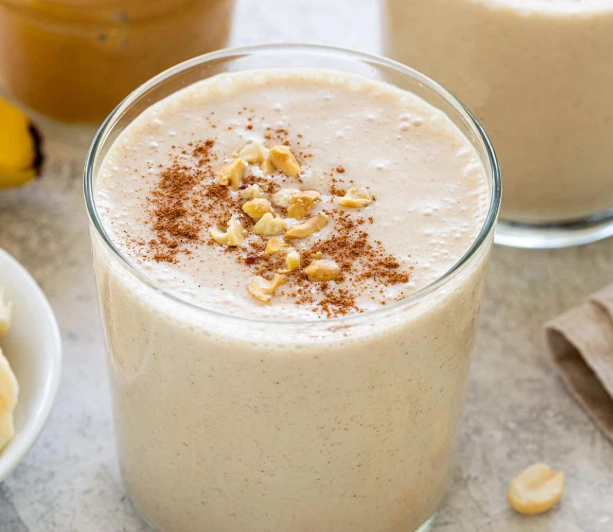
#1: The Classic Energizer (My Daily Driver)
This is the one I make 80% of the time. It's balanced, not too sweet, and powers me through the morning.
- 1 cup unsweetened almond milk
- 1 medium frozen banana (break it into chunks before freezing!)
- 1.5 tbsp natural peanut butter (well-stirred)
- 1 large handful of fresh spinach (trust me, you won't taste it)
- 1 tbsp ground flaxseed or chia seeds
- Optional: 1 scoop vanilla or unflavored protein powder
Blend: Liquid first, then spinach, then everything else. Blend on high for 45-60 seconds until completely smooth.
Nutrition Highlight: Fiber from spinach and seeds, potassium from banana, healthy fats and protein from peanut butter. It's a complete package.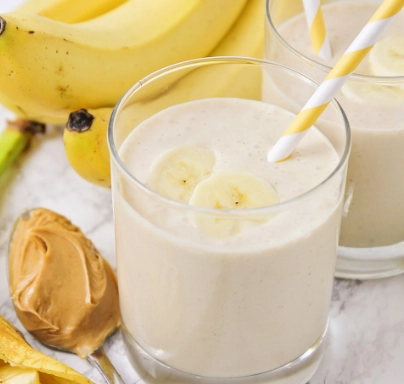
#2: The High-Protein Post-Workout Refuel
Designed specifically for muscle recovery. The chocolate isn't just for taste; cocoa is rich in antioxidants.
- 3/4 cup cold water
- 1/2 cup plain non-fat Greek yogurt
- 1 tbsp peanut butter (or 2 tbsp PB2 powder)
- 1 scoop chocolate protein powder
- 1 tbsp unsweetened cocoa powder
- Handful of ice
Blend: Water and yogurt first. This one can be thick, so you may need to stop and scrape the sides.
Why it works: Greek yogurt adds a huge hit of casein protein (slow-digesting) on top of the whey from the powder. The water keeps the calories in check while allowing the peanut butter and chocolate flavors to shine.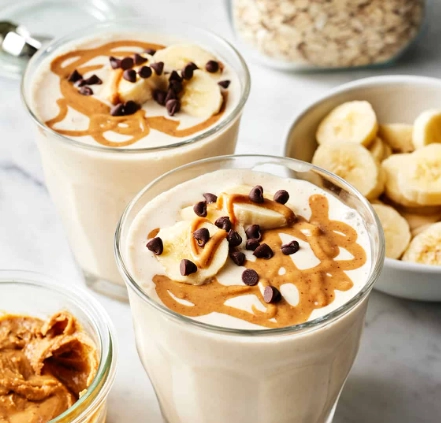
#3: The Dessert Decoy (Kid-Approved)
Tastes like a milkshake. Sneaks in some veggies. My kids have no idea there's cauliflower in here.
- 1 cup oat milk (for extra creaminess)
- 1/2 cup frozen riced cauliflower
- 1.5 tbsp conventional creamy peanut butter (like Jif)
- 1 tbsp honey or maple syrup
- 1/2 tsp vanilla extract
- Pinch of cinnamon
Blend: Ensure the cauliflower is fully broken down. Blend for a full minute.
The Secret: Frozen cauliflower adds incredible thickness and a neutral creaminess without altering the sweet, peanut-buttery flavor. It's a genius hack from fellow smoothie-obsessed parents.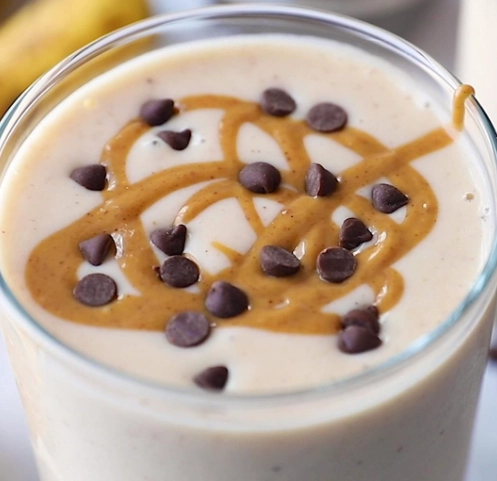
#4: The Tropical Escape
Peanut butter and pineapple is an underrated combo. The ginger adds a zing that cuts through the richness.
- 1 cup coconut water (for hydration and tropical flavor)
- 3/4 cup frozen pineapple chunks
- 1 tbsp peanut butter
- 1/2 inch fresh ginger, peeled (or 1/4 tsp ground ginger)
- Juice of 1/2 lime
Blend: The coconut water is thin, so use frozen fruit to get a good texture.
Perfect for: A hot day, or when you're feeling a bit sluggish. The electrolytes in the coconut water and the ginger make this feel revitalizing.
#5: The Gut-Friendly Green Machine
This one leans into the current focus on gut health. It's savory, earthy, and deeply satisfying.
- 1 cup kefir (plain, unsweetened) or probiotic yogurt drink
- 1 large handful of kale (stems removed)
- 1/2 an avocado
- 1 tbsp peanut butter
- 1 tsp spirulina powder (optional, for a superfood boost)
- Pinch of sea salt
Blend: Kefir first. The avocado and peanut butter make this incredibly creamy despite the greens.
The Benefit: Kefir provides probiotics, the greens and avocado provide prebiotic fiber. It's a powerful combo for digestive health, and the peanut butter makes it palatable.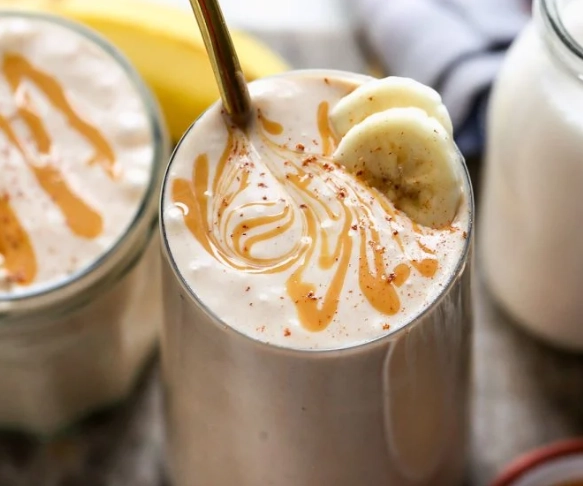
Common Mistakes & Pro Blending Tips
I've seen all these errors (and made most of them myself).
Using Fresh Banana: This is the #1 reason for a watery, disappointing smoothie. Always use frozen banana chunks. They provide the thick, creamy, ice-cream-like base. Peel, break into chunks, and freeze them on a tray before bagging.
Overloading the Peanut Butter: More is not always better. Beyond 2 tablespoons, you risk a paste-like texture and the fat can start to overwhelm the other flavors. Start with 1 tbsp and adjust.
Ignoring the Layer Order: Liquid first, then soft greens/fruits, then frozen items, then powders/peanut butter on top. This helps the blade move freely and creates a vortex that pulls everything down evenly.
Under-Blending: A gritty smoothie is a bad smoothie. Blend on high for at least 45 seconds. If you hear a "whirring" sound with no crushing noises, it's done.
Pro Storage Tip: Made too much? Pour it into a mason jar, leaving an inch of space at the top, seal it, and lay it on its side in the freezer. In 1-2 hours, you have a perfectly portioned, slushy smoothie pack for later. Thaw in the fridge or blend briefly with a splash of liquid.
Your Peanut Butter Smoothie Questions Answered
The beauty of a peanut butter smoothie is its versatility. It can be a quick breakfast, a substantial snack, or a recovery tool. Start with the Classic Energizer, pay attention to your ingredient order, and don't be afraid to tweak the flavors to your liking. Once you get the foundation right, you can build endless variations. Now go make something delicious.
Reader Comments