My first batch of peanut butter cookies was a disaster. They spread into one giant, greasy, thin sheet on the pan. The flavor was weirdly bitter. I was using the "natural" peanut butter I loved on toast, assuming all peanut butter was created equal in baking. It wasn't. That failure sent me down a rabbit hole of testing brands, textures, and techniques. After a decade of getting it right (and plenty more wrong), I'm sharing what actually works so you can skip the flat, oily, or crumbly results.
What's Inside This Guide
How to Choose the Right Peanut Butter for Baking
This is the single most overlooked step. Grab the wrong jar, and your recipe's texture and stability are doomed before you preheat the oven. Most recipes are developed and tested with commercial, shelf-stable peanut butter like Jif or Skippy. These have added oils (like hydrogenated vegetable oil) and sugars that create a predictable, emulsified texture.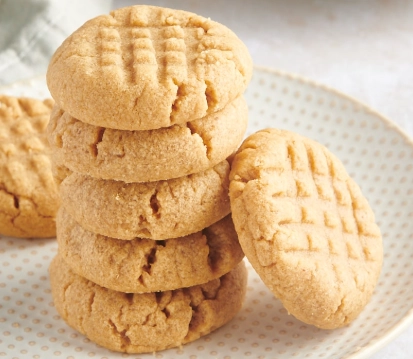
My Rule: For 90% of baked goods, use a standard, no-stir peanut butter. Save the expensive, oily natural stuff for spreading or specific recipes that account for the separation.
Here’s a quick breakdown to clear the confusion:
| Type of Peanut Butter | Best For | Watch Out For |
|---|---|---|
| Standard Creamy (Jif, Skippy) | Cookies, cakes, brownies. Provides consistent structure and moisture. | Can be sweeter. Reduce added sugar in the recipe slightly if you prefer less sweetness. |
| Natural (Stirred) | No-bake bars, energy balls, sauces where separation isn't an issue. | You MUST stir it thoroughly and measure after stirring. The oil content can make baked goods greasy and spread too much. |
| Crunchy | Adding texture to cookies, blondies, or as a topping. | The peanut pieces can absorb moisture. Your dough might need a tiny splash more liquid. |
| Powdered (Peanut Butter Powder) | Reducing fat, adding flavor to smoothies, or light frostings. | It's defatted. Don't substitute 1:1 for regular peanut butter in baking without adding back fat and liquid. |
A personal gripe? Many "healthy" baking blogs insist natural is always better. In theory, yes. In practice, for a chewy, classic peanut butter cookie, it often leads to frustration. If you're committed to natural, chill your dough longer and expect more spread.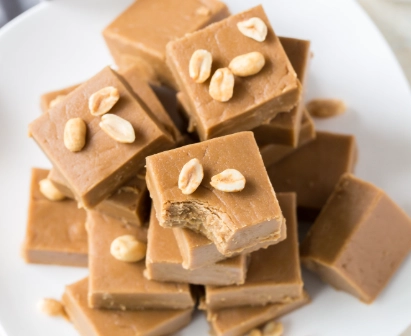
The Only Classic Peanut Butter Cookie Recipe You Need
We've all had those cookies with the criss-cross fork marks. The goal is soft in the center, slightly crisp at the edges, with a deep peanut flavor that isn't masked by sugar. This recipe uses a slightly higher ratio of brown sugar to white for chewiness and a hint of molasses depth.
Chewy-Centered Classic Peanut Butter Cookies
Yield: About 24 cookies | Prep: 15 mins | Chill: 1 hour | Bake: 10-12 mins per batch
Ingredients:
- 1 cup (250g) standard creamy peanut butter
- 1/2 cup (115g) unsalted butter, softened
- 3/4 cup (150g) packed light brown sugar
- 1/4 cup (50g) granulated sugar
- 1 large egg + 1 egg yolk (the yolk adds richness and chew)
- 2 teaspoons vanilla extract
- 1 1/4 cups (160g) all-purpose flour
- 3/4 teaspoon baking soda
- 1/2 teaspoon baking powder
- 1/2 teaspoon salt
The Process:
- Cream the peanut butter, butter, and both sugars together until light and fluffy, about 3 minutes. Don't skip this step—it incorporates air.
- Beat in the egg, egg yolk, and vanilla until combined.
- In a separate bowl, whisk the flour, baking soda, baking powder, and salt.
- Gradually add the dry ingredients to the wet, mixing until just combined. The dough will be soft.
- Chill the dough for at least 1 hour, or up to 3 days. This is non-negotiable. It prevents excessive spreading and allows the flavors to meld.
- Preheat oven to 350°F (175°C). Line baking sheets with parchment.
- Scoop dough into 1.5 tablespoon balls, roll, and place 2 inches apart. Use a fork to make the classic criss-cross pattern, dipping the fork in sugar to prevent sticking.
- Bake for 10-12 minutes. They will look puffy and slightly underdone in the middle. That's perfect.
- Let cool on the sheet for 5 minutes before transferring to a rack. They firm up as they cool.
The chill time is your secret weapon. I've baked half a batch immediately and half after chilling. The chilled ones held their shape, had a better texture, and tasted more complex. The warm ones? Pancakes.
5-Minute No-Bake Peanut Butter Energy Balls
For when you need a peanut butter fix without turning on the oven. These are endlessly customizable, require zero baking skills, and are perfect for meal prep. This is where natural peanut butter can shine, as there's no structure to compromise.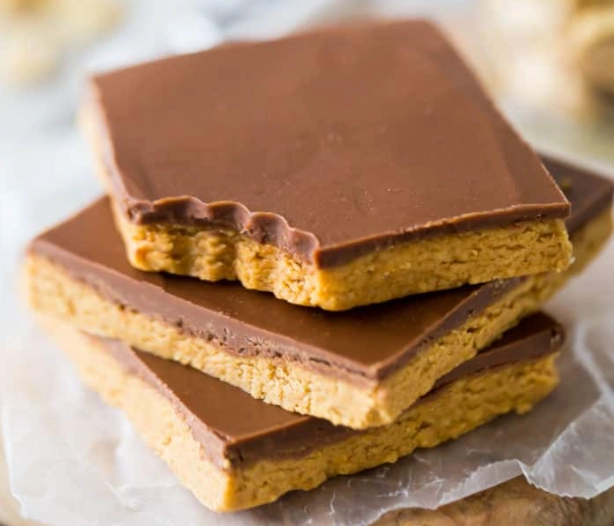
Base Recipe for No-Bake Peanut Butter Balls
Yield: 12-14 balls | Prep: 5 mins | Set: 30 mins in fridge
Base Ingredients:
- 1 cup (250g) peanut butter (natural or standard)
- 1/3 cup (115g) honey or maple syrup
- 1 teaspoon vanilla extract
- A pinch of salt
- 1 1/4 cups (about 150g) rolled oats (old-fashioned or quick)
Mix-Ins (Pick one or combine):
- 1/4 cup mini chocolate chips
- 2 tablespoons ground flaxseed or chia seeds
- 2 tablespoons cocoa powder (for chocolate version)
- 1/4 cup chopped nuts or dried fruit
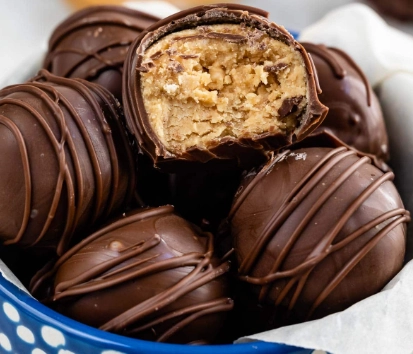
The Process: Stir everything together in a bowl until a cohesive dough forms. If it's too sticky, add a few more oats. If it's too dry, add a teaspoon more honey or peanut butter. Roll into 1-inch balls. Store in an airtight container in the fridge for up to 2 weeks.
I keep a tub of these in my fridge at all times. The batch with flaxseed and dark chocolate chips is my go-to. They're deceptively simple, but getting the texture right is key—you want them to hold together without being gummy.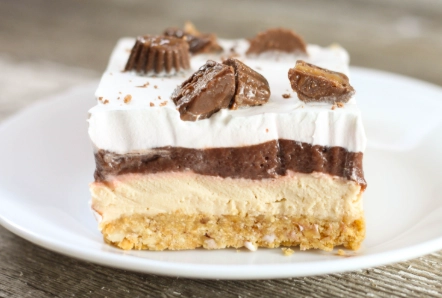
Decadent Peanut Butter Chocolate Lava Cakes
This is your showstopper. Individual chocolate cakes with a molten peanut butter center. It seems fancy, but it's simpler than cookies because it's all about timing. The trick is using a frozen peanut butter center to control the melt.
Molten Peanut Butter Chocolate Cakes
Yield: 4 individual cakes | Prep: 20 mins | Freeze: 30 mins | Bake: 12-14 mins
For the Peanut Butter Center:
- 1/4 cup (60g) creamy peanut butter
- 1 tablespoon powdered sugar
For the Chocolate Cake:
- 4 ounces (115g) semi-sweet or bittersweet chocolate, chopped
- 1/2 cup (115g) unsalted butter
- 2 large eggs
- 2 large egg yolks
- 1/4 cup (50g) granulated sugar
- 2 tablespoons all-purpose flour
- Pinch of salt
The Process:
- Mix the peanut butter and powdered sugar. Scoop into 4 small balls (about 1 teaspoon each) and place on a parchment-lined plate. Freeze solid, at least 30 minutes.
- Preheat oven to 425°F (220°C). Grease four 6-ounce ramekins.
- Melt chocolate and butter together, either in a double boiler or microwave in short bursts. Let cool slightly.
- In a separate bowl, vigorously whisk the eggs, egg yolks, and sugar until pale and slightly thickened, about 2-3 minutes.
- Whisk the melted chocolate into the egg mixture. Gently fold in the flour and salt.
- Divide half the batter among the ramekins. Place a frozen peanut butter ball in the center of each. Top with remaining batter, covering the peanut butter completely.
- Bake for 12-14 minutes. The edges should be set, but the center will still look soft and jiggle slightly.
- Let rest for 1 minute, then run a knife around the edge and invert onto a plate. Serve immediately.
Pro Tip: Do not overbake. The 1-minute rest is crucial—it lets the cake finish setting so it releases cleanly while the center stays gloriously molten.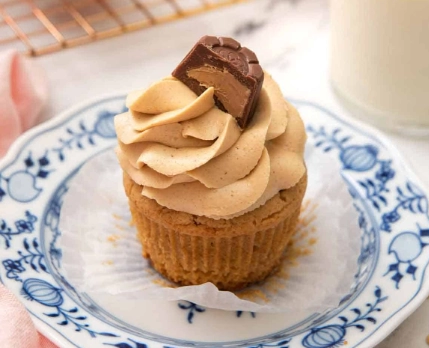
How to Fix Common Peanut Butter Baking Problems
Even with great recipes, things go sideways. Here’s how to diagnose and save your bake.
My Cookies Spread Into a Flat Mess
Likely Cause: Dough too warm, butter too soft, or using natural peanut butter with high oil content. Fix: Always chill your dough. If you're using natural peanut butter, reduce the butter in the recipe by 1-2 tablespoons and add an extra 2 tablespoons of flour. Ensure your baking soda/powder isn't expired.
My Baked Goods Are Dry and Crumbly
Likely Cause: Over-measuring flour (scooping from the bag packs it down) or overbaking. Peanut butter itself has fat, but it can't compensate for a dry dough. Fix: Spoon flour into your measuring cup and level it off. Use an oven thermometer—your oven might run hot. For brownies or bars, pull them out when a toothpick has a few moist crumbs, not when it's clean.
The Peanut Flavor Is Weak or "Off"
Likely Cause: Bland peanut butter or not using enough salt. Salt is a flavor enhancer, not just a seasoning. Fix: Use a brand with a roasted peanut flavor you enjoy. Don't reduce the salt in the recipe. For an intense boost, add 1/4 teaspoon of peanut butter flavoring extract (like the one from Lorann Oils) to your batter.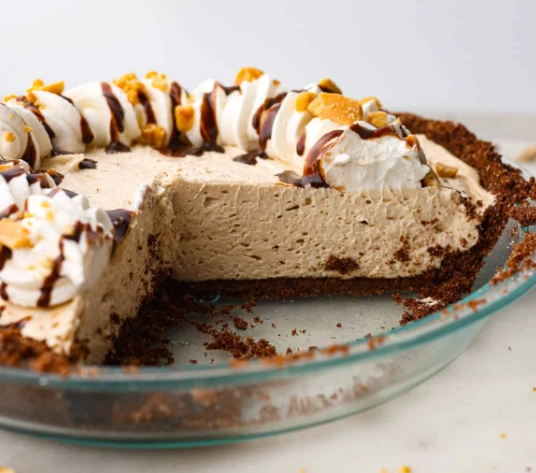
Burning Questions, Answered
The real secret to baking with peanut butter isn't a magical recipe. It's understanding that peanut butter is both a fat and a flavoring, and its unique properties demand respect. Choose your jar wisely, manage your temperatures, and don't fear a little experimentation. Now go preheat that oven—your perfect peanut butter treat is waiting.
Reader Comments