I've been a peanut butter fan for over a decade, but it wasn't until I burned out on the thick, sticky stuff that I discovered whipped peanut butter. If you're like me, you might have seen it in stores or online and wondered what the fuss is about. Whipped peanut butter is simply regular peanut butter that's been aerated—beaten to incorporate air—making it lighter, fluffier, and easier to spread. It's not just a gimmick; it's a game-changer for snacks, baking, and even weight management. In this guide, I'll walk you through everything from making it at home (with some pitfalls I learned the hard way) to picking the best brands and using it in delicious recipes.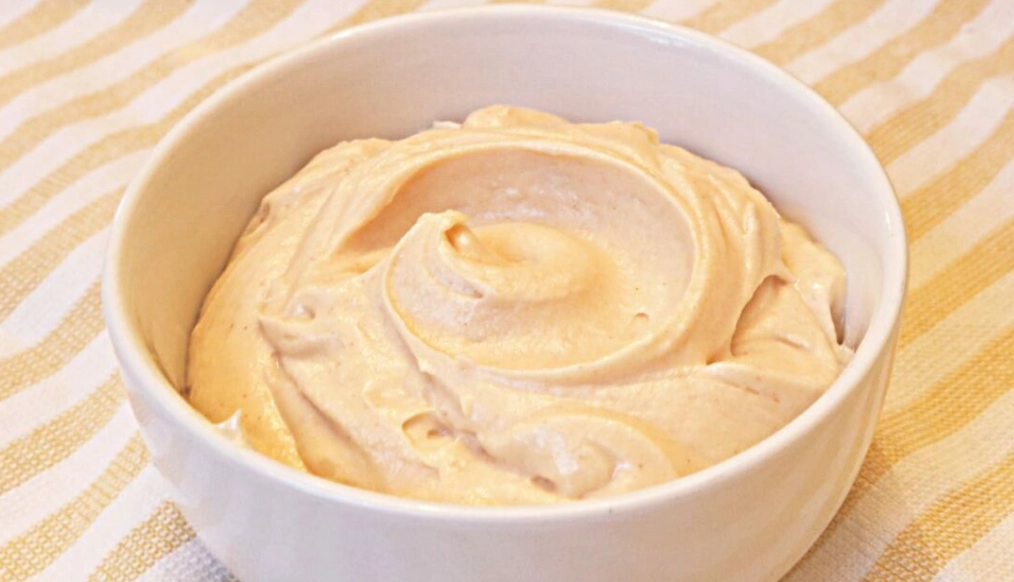
Here's What We'll Cover
What is Whipped Peanut Butter?
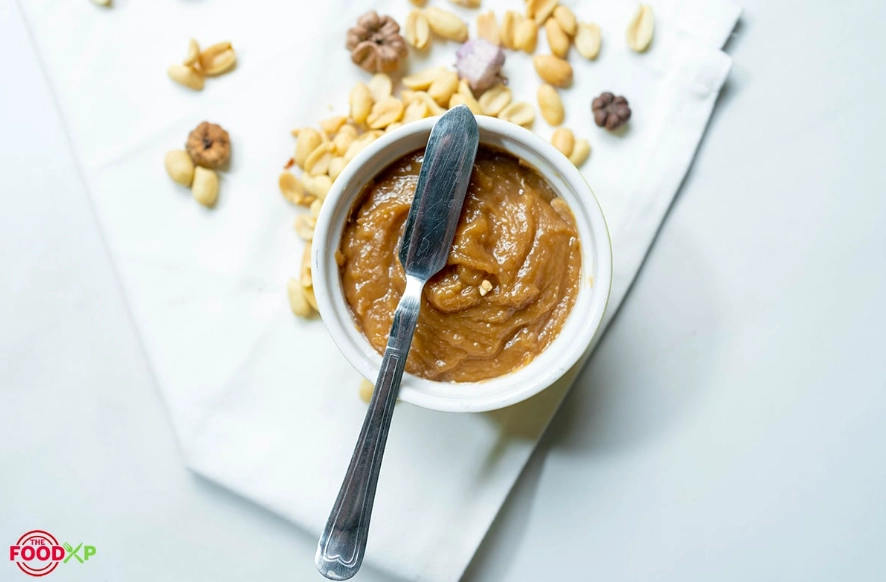
Whipped peanut butter is exactly what it sounds like: peanut butter that's been whipped to add air. This process changes the texture from dense and oily to light and creamy, almost like a mousse. It's not diluted with water or fillers—just air. Some people assume it's less flavorful, but that's a myth. In fact, the aeration can make the peanut taste more pronounced because it spreads thinner on your palate.
I first tried it at a friend's house, spread on apple slices, and was hooked. The key difference from regular peanut butter is the volume. A jar of whipped peanut butter might look bigger, but it has the same peanut content—just with air bubbles mixed in. This means you use less per serving, which can help with portion control. Brands like Jif and Skippy offer whipped versions, but homemade often tastes fresher and lets you customize ingredients.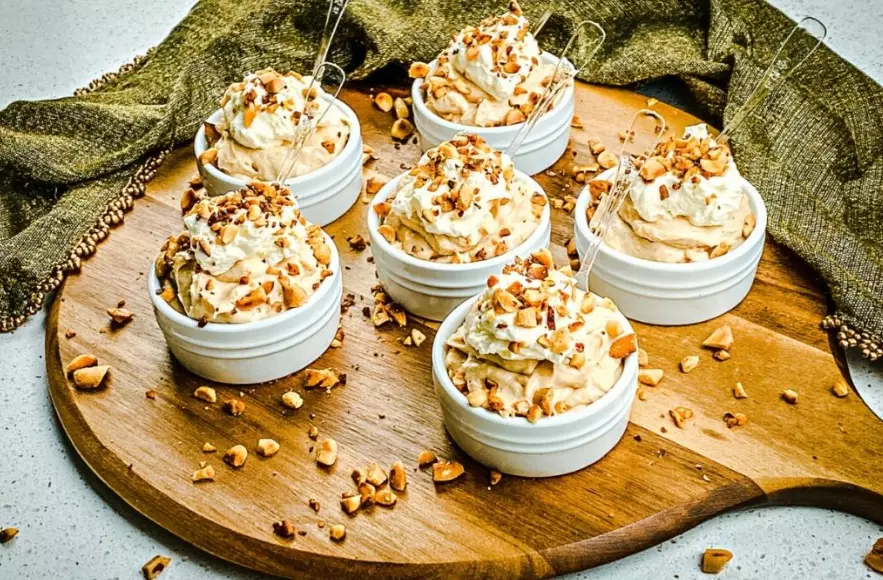
How to Make Whipped Peanut Butter at Home
Making whipped peanut butter at home is easier than you think, but there are tricks to avoid common mistakes. I've made it dozens of times, and my early attempts were disasters—think greasy separation or a grainy texture. Here's how to get it right.
Tools You'll Need
You don't need fancy equipment. A stand mixer or hand mixer works best, but a food processor can do in a pinch. Avoid blenders; they overheat the peanut butter and cause oil separation. Also, have a spatula and an airtight container ready.
Step-by-Step Instructions
- Start with room-temperature peanut butter. Cold peanut butter is too stiff to whip properly. If you use natural peanut butter, stir it well first to incorporate any separated oil.
- Add your peanut butter to the mixing bowl. For every cup of peanut butter, consider adding a teaspoon of honey or maple syrup—this helps stabilize the whip and adds a hint of sweetness. It's optional, but I prefer it.
- Whip on medium speed for 2-3 minutes. Stop and scrape down the sides with a spatula. Then whip on high for another 3-5 minutes until the color lightens and the texture becomes fluffy. Don't over-whip; I once went for 10 minutes and ended up with a butter-like consistency that was hard to spread.
- Transfer to a container and store in the fridge. Homemade whipped peanut butter lasts about 2 weeks, but mine never makes it that long.
A common error is using oily natural peanut butter without stirring. It'll whip unevenly. If you want a lower-calorie version, you can use powdered peanut butter reconstituted with water, but it won't be as creamy. I tried it once, and the result was chalky—not recommended for purists.
Health Benefits of Whipped Peanut Butter
Whipped peanut butter shares the same nutritional profile as regular peanut butter, but the texture change can influence how you eat it. According to the USDA National Nutrient Database, peanut butter is rich in protein, healthy fats, and vitamins like E and B6. The aeration doesn't reduce calories per gram, but because it's fluffier, you might spread less on toast or dip fewer apple slices, potentially cutting calorie intake without feeling deprived.
The American Heart Association notes that monounsaturated fats in peanut butter can support heart health by lowering bad cholesterol. Whipped peanut butter makes it easier to enjoy these benefits in moderation. For example, a tablespoon of regular peanut butter has about 90 calories, but a tablespoon of whipped might feel more satisfying due to the air, so you might use half as much. It's a psychological trick that works.
I've found that whipped peanut butter is gentler on my stomach, too. The lighter texture digests more easily, especially when I'm snacking before a workout. But watch out for added sugars in store-bought versions—always check labels. Homemade lets you control that.
Whipped Peanut Butter Recipes You'll Love
Whipped peanut butter isn't just for spreading; it's versatile in recipes. Here are three I make regularly, each with specific details to ensure success.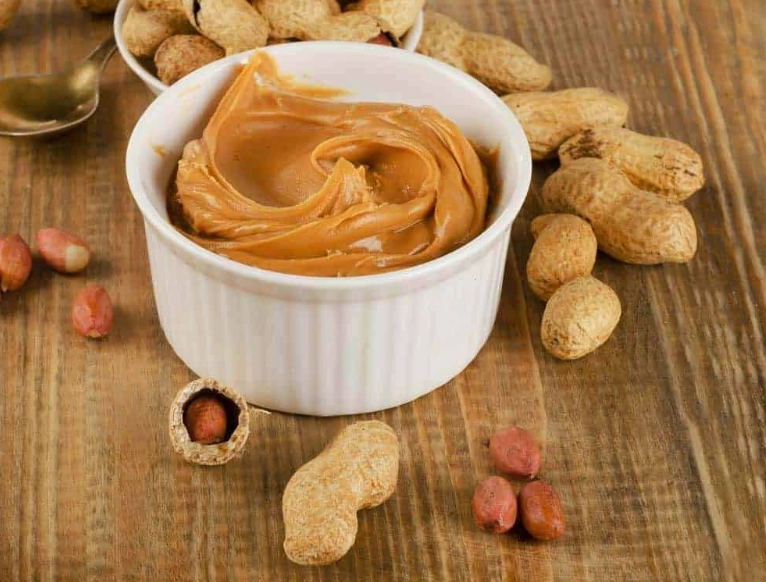
Whipped Peanut Butter Toast Topping
This is my go-to breakfast. Take two slices of whole-grain toast, spread a generous layer of whipped peanut butter (about 2 tablespoons total), and top with sliced bananas and a drizzle of honey. The whipped texture prevents the peanut butter from tearing the bread. I sometimes add chia seeds for crunch. It takes 5 minutes, costs around $1.50 per serving, and keeps me full until lunch.
Whipped PB&J Smoothie
Blend 1 cup of almond milk, 1 frozen banana, 2 tablespoons of whipped peanut butter, and a handful of spinach. The whipped peanut butter incorporates smoothly without clumping. I use homemade whipped peanut butter here to avoid added sugars. This smoothie has about 250 calories and is perfect for a post-workout snack. If you're in a rush, prep the ingredients the night before.
Whipped Peanut Butter Dip for Fruit
Mix 1/2 cup of whipped peanut butter with 1/4 cup of Greek yogurt and a teaspoon of cinnamon. Serve with apple slices, carrot sticks, or pretzels. It's a hit at parties. I made this for a potluck last month, and people asked for the recipe. The dip stays creamy for hours, even at room temperature.
For more recipe ideas, the American Heart Association's healthy eating section offers inspiration on incorporating nuts into diets.
Buying Guide: Best Whipped Peanut Butter Brands
If you don't want to make it yourself, store-bought whipped peanut butter is convenient. I've tested several brands, and here's a comparison based on price, taste, and availability. Prices are approximate for a 16-ounce jar.
| Brand | Price per Jar | Key Features | Where to Buy |
|---|---|---|---|
| Jif Whipped Peanut Butter | $4.99 | Creamy texture, slightly sweet, widely available. Contains added sugar and hydrogenated oils. | Walmart, Target, most grocery stores |
| Skippy Whipped Peanut Butter | $4.79 | Fluffier than Jif, good for spreading. Also has additives; not ideal for clean eating. | Amazon, Kroger, Safeway |
| Justin's Classic Peanut Butter (whipped at home) | $6.50 (for regular) | Natural ingredients, no stir required. You can whip it yourself for a healthier option. | Whole Foods, health food stores |
| Homemade Whipped Peanut Butter | $3.00 (cost of ingredients) | Fully customizable, no preservatives. Requires time and effort. | Your kitchen |
My personal favorite is homemade because I control the ingredients. But if I'm traveling, I grab Jif Whipped for convenience. Just be aware that some brands use stabilizers that can affect taste. I tried a generic store brand once, and it had a weird aftertaste—not worth saving a dollar.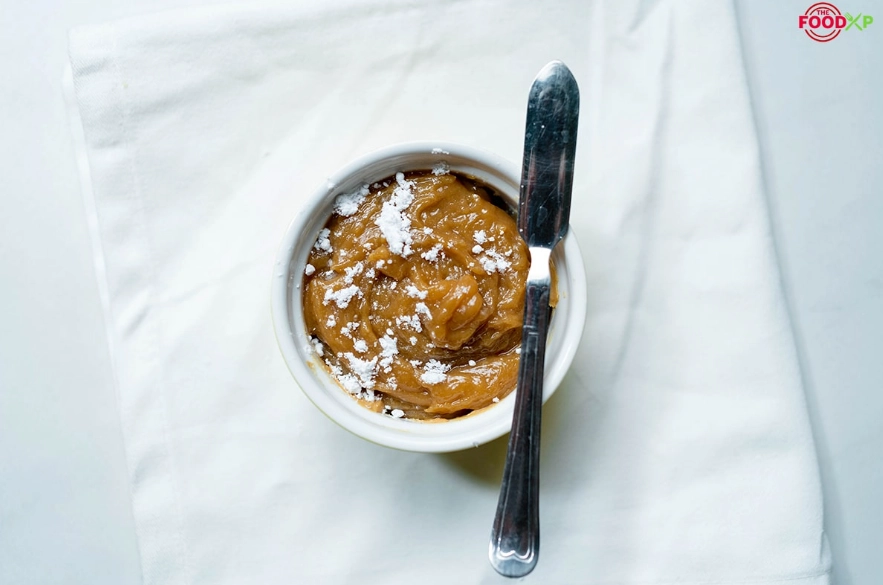
Frequently Asked Questions
Reader Comments