You’ve seen it a hundred times in recipes: "Add 1 teaspoon peanut butter." Maybe you’ve even measured it out yourself, that sticky dollop clinging to the spoon. But have you ever stopped to think about what that single teaspoon really represents? It’s not just a random amount. It’s a precise unit of flavor, nutrition, and culinary potential that most people completely overlook. As someone who’s spent years recipe testing and coaching people on mindful eating, I can tell you that understanding this tiny measurement is the secret to unlocking better health, more consistent baking, and smarter snacking. Let’s get specific.
What You’ll Discover in This Guide
How Much Is 1 Teaspoon of Peanut Butter, Really?
This seems straightforward, right? A teaspoon is a teaspoon. But with a dense, viscous substance like peanut butter, volume and weight tell two different stories, and weight is the king of accuracy in cooking and nutrition.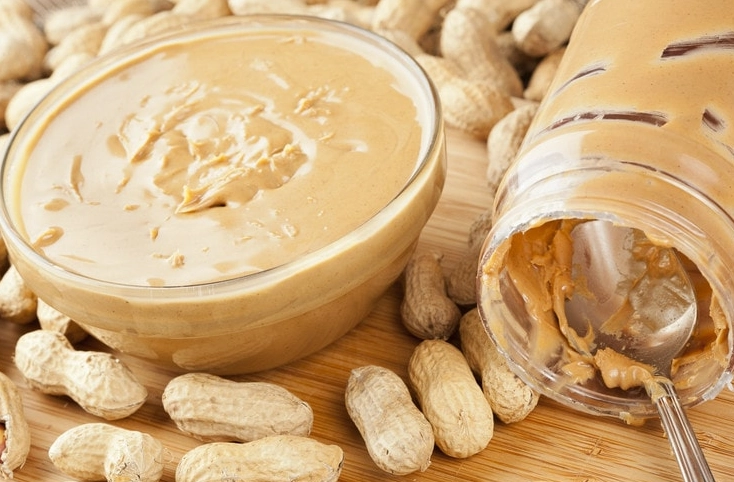
Here’s the hard data, based on averages from sources like the USDA FoodData Central database. The exact number can wiggle a bit depending on brand, oil separation, and whether it's natural or conventional.
| Measurement Type | Amount | Key Takeaway |
|---|---|---|
| Volume | Precisely 5 milliliters (ml) | This is what your measuring spoon holds. |
| Weight (Mass) | Approximately 5.5 - 6.5 grams (g) | This is the gold standard for consistency. For calculations, I use 6 grams as a reliable average. |
| Visual Equivalent | A level spoonful, not heaped. Roughly the size of a standard postage stamp in thickness and diameter. | If you’re scooping, you’re probably getting 1.5 to 2 teaspoons. |
That weight figure is crucial.
I once helped a friend troubleshoot why her energy balls were always too greasy. She was using a "heaping" teaspoon from her cutlery drawer. When we weighed it, she was actually adding nearly 12 grams—double the intended amount. The recipe balance was off because she misunderstood the unit.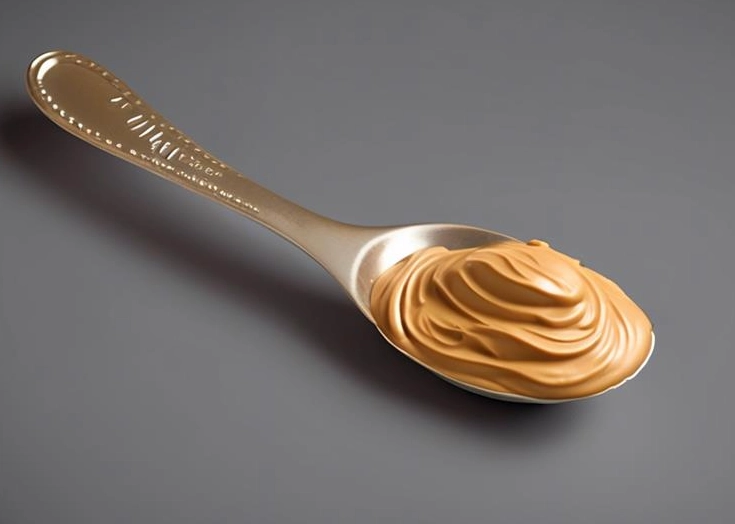
1 Teaspoon Peanut Butter Calories and Nutrition: The Micro-Dose
This is where that precise measurement pays off. When you're tracking intake or just being mindful, eyeballing peanut butter is a surefire way to underestimate by 50-100%. Let's break down what's in that exact 6-gram portion.
The Core Profile (Averages for a 6g serving):
- Calories: 35-40 kcal
- Fat: 3g (mostly healthy mono- and polyunsaturated fats)
- Protein: 1.5g
- Carbohydrates: 1g (with about 0.3g fiber)
It’s a nutrient-dense package. That small hit of protein and fiber is what makes it so satiating. The fat carries flavor and provides sustained energy. Thinking of it as "just 35 calories" misses the point. It’s 35 calories of substance, not empty ones.
The Texture Trap: Why Your Measurement Might Be Wrong
Here’s a nuance most blogs don’t mention: the temperature and texture of your peanut butter dramatically affect measurement accuracy. A cold, stiff natural peanut butter straight from the fridge is harder to level off in a spoon, often leading to an under-measure. A warm, oily one can drip and lead to an over-measure.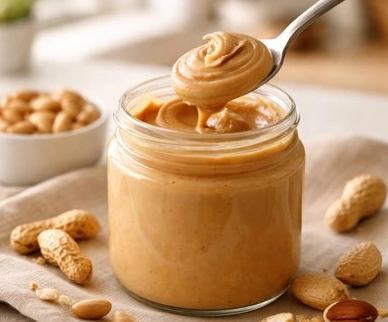
My method? For the most accuracy, especially in baking, I briefly stir a jar that’s at room temperature, then use the "spoon and sweep" technique. Scoop, then level it off with the straight edge of a knife. Don’t press it down. If you’re serious, weigh it. A $20 kitchen scale changed my consistency game forever.
5 Surprisingly Satisfying Snacks Using Only 1 Teaspoon
The magic of this amount is that it adds big flavor and richness without turning a healthy snack into a calorie bomb. These are my go-to applications.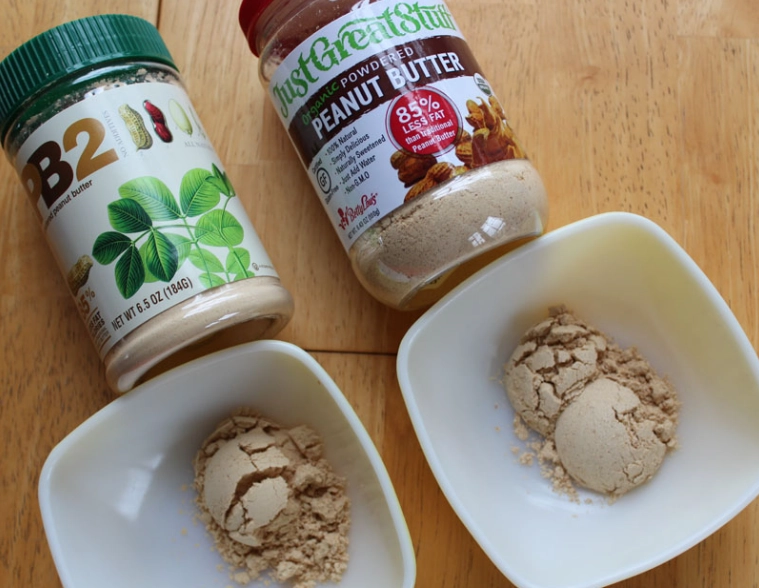
The Apple Transformer: Slice a medium apple. That 1 tsp, thinly spread or dotted across all the slices, makes each bite creamy and decadent. It feels like more than it is.
The Oatmeal Swirl: Stir a teaspoon into a bowl of plain oatmeal right at the end. It melts in, adding a nutty depth and creaminess that makes sugar unnecessary. Try it with a pinch of cinnamon.
The Banana Boost: Similar to the apple, but on a banana. Or, mash half a banana and mix in the peanut butter for a quick, sweet-and-salty spread on a rice cake.
The Smoothie Secret: Adding just a teaspoon to a fruit-and-yogurt smoothie doesn’t overpower it. Instead, it rounds out the acidity, adds a subtle nutty background, and helps with satiety. You won't taste "peanut butter," you'll just taste a better, smoother smoothie.
The Sauce Starter: Whisk 1 tsp into 2 tablespoons of soy sauce, a squeeze of lime, and a pinch of red pepper flakes. You get a complex, lightly thickened dipping sauce for spring rolls or a drizzle for steamed veggies. It’s a flavor hack more than a volume ingredient.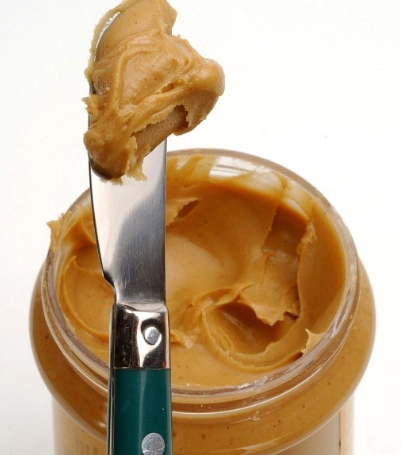
Scaling Up: From 1 Teaspoon to Full Recipes
Understanding this base unit is your key to modifying recipes confidently. Say a cookie recipe makes 24 cookies and calls for 1/2 cup of peanut butter. How much is in each cookie?
Half a cup is 24 teaspoons. So, each cookie contains about 1 teaspoon of peanut butter. Now you know the flavor and nutritional contribution per piece. If you want to reduce the sugar but keep richness, you might swap 2 tablespoons of sugar for an extra 2 teaspoons of peanut butter. You’re working from a known quantity.
For savory dishes like Thai peanut noodles, where the sauce might call for 1/4 cup, that’s 12 teaspoons. If you find it too thick, you can reduce it to 9 or 10 teaspoons and add a bit more liquid, understanding exactly what you're removing.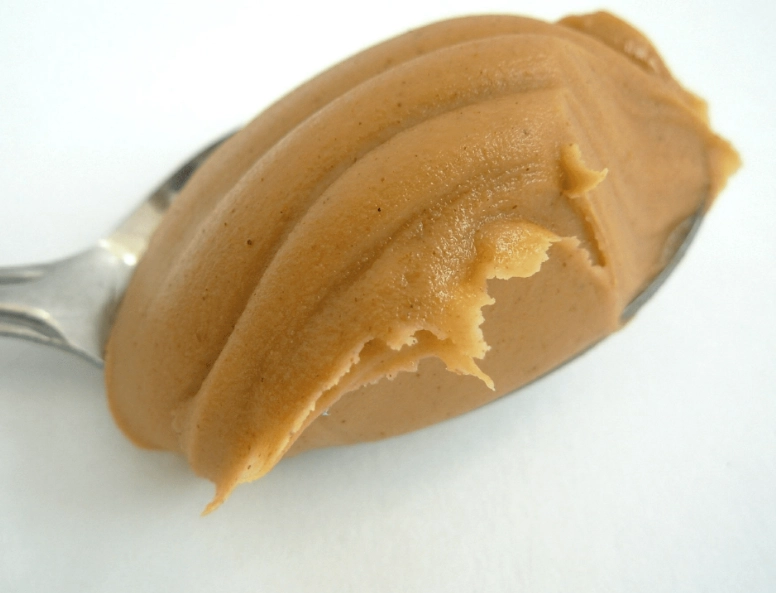
Reader Comments