I stood in the grocery aisle for a good five minutes, holding two nearly identical jars of creamy peanut butter. One claimed to be "natural," the other was the classic brand I'd grown up with. The price difference was obvious, but I was stuck on something else: the sodium content. One had 150mg per serving, the other had 0mg. How could there be such a huge gap in something as simple as peanuts, oil, and salt? That moment sent me down a rabbit hole, and what I found changed how I shop for this pantry staple forever. If you're watching your salt intake, you need to know this too.
The core truth is this: peanut butter sodium content varies wildly, from zero to over 200mg per two-tablespoon serving. The difference hinges entirely on whether salt is added during processing. For someone on a standard 2,300mg sodium diet, a high-sodium peanut butter can use up 10% of that allowance in one serving. For those on a restricted 1,500mg plan, it's even more critical.
In this article:
Why Peanut Butter Sodium Content Actually Matters
Let's be honest. Peanut butter isn't a bag of chips or a slice of pizza. It doesn't taste salty, so it's easy to file it under "healthy" and move on. That's the first mistake. Sodium is a stealth ingredient in many processed foods, added for flavor enhancement and preservation, even in products where you wouldn't expect it.
For the average person, an occasional high-sodium spread might not be a crisis. But consider these scenarios:
- You're making a peanut butter and jelly sandwich for your kid's lunch. The bread might have 180mg of sodium, the jelly 10mg, and the peanut butter 150mg. That's 340mg in one seemingly innocent sandwich.
- You're adding a scoop to your morning smoothie for protein. If you're also using yogurt or a protein powder with sodium, the numbers add up quietly.
- You have hypertension, kidney issues, or are at risk for heart disease. Every milligram counts, and consistent, low-level sources of sodium are the ones that often slip through the cracks.
The American Heart Association recommends no more than 2,300mg a day, moving toward an ideal limit of 1,500mg for most adults. When a condiment or spread can contribute 5-15% of that limit, it stops being trivial.
A quick note on "natural" claims: Don't let the word "Natural" on the label fool you. This term is largely unregulated for peanut butter. A "natural" peanut butter can still have added salt, sugar, and hydrogenated oils. The only way to know the sodium content is to flip the jar and read the Nutrition Facts panel.
How to Read a Peanut Butter Nutrition Label (Beyond the Front)
The front of the jar is marketing. The side or back is science. Here's what to look for, in order of importance:
1. Serving Size: Always check this first. For peanut butter, it's almost universally 2 tablespoons (32g). Some brands might list 1 tablespoon to make their numbers look better. Compare apples to apples.
2. Sodium (mg): This is your target number. According to the FDA, a food can be labeled "Low Sodium" if it contains 140mg or less per serving. "Very Low Sodium" is 35mg or less. "Sodium-Free" or "No Salt Added" means less than 5mg per serving.
3. Ingredients List: This tells you why the sodium is there. Look for: "peanuts, salt." That's it. If you see "salt" listed, you know the sodium is added. If the list is just "peanuts" (or peanuts and a stabilizer like palm oil), the sodium content will be the naturally occurring trace amount from the peanuts themselves, which is negligible (usually under 5mg).
4. % Daily Value (%DV): A quick gauge. 5% DV or less is considered low, 20% DV or more is high. For a 2,300mg daily diet, 150mg of sodium is about 7% DV.
The Sneaky Ingredient No One Talks About
Here's a pro tip from years of label reading: watch out for "monosodium glutamate (MSG)" or "hydrolyzed vegetable protein." These are less common in mainstream peanut butters but can appear in flavored varieties (like honey roasted or chili lime). They are additional sources of sodium that aren't just "salt."
Sodium Content Breakdown: A Brand-by-Brand Comparison
Let's get specific. I went to three major grocery stores and recorded the sodium content for popular brands. This table is the heart of your shopping guide. All values are for a 2-tablespoon (32g) serving of the creamy variety, unless noted.
| Brand & Product Name | Sodium (mg) | Key Ingredients (for context) | Low-Sodium Claim? |
|---|---|---|---|
| Jif Creamy Peanut Butter | 140 mg | Peanuts, sugar, molasses, fully hydrogenated vegetable oils, salt | No (but meets "Low Sodium" threshold of ≤140mg) |
| SKIPPY Creamy Peanut Butter | 150 mg | Peanuts, sugar, hydrogenated vegetable oil, salt | No |
| Peter Pan Creamy Peanut Butter | 130 mg | Peanuts, sugar, hydrogenated vegetable oil, salt | No |
| Jif Natural Creamy | 105 mg | Peanuts, sugar, palm oil, salt, molasses | Yes |
| Justin's Classic Peanut Butter | 105 mg | Dry roasted peanuts, palm oil, salt | Yes |
| Smucker's Natural Creamy | 115 mg | Peanuts, salt | Yes |
| Crazy Richard's 100% Peanuts | 0 mg | Peanuts | Yes (No Salt Added) |
| Trader Joe's Creamy No Salt Peanut Butter | 0 mg | Peanuts | Yes (No Salt Added) |
| 365 by Whole Foods Market No Salt Creamy | 0 mg | Peanuts | Yes (No Salt Added) |
| Santa Cruz Organic Dark Roasted Crunchy | 85 mg | Organic dark roasted peanuts, salt | Yes |
See the pattern? The biggest sodium savers are the "No Salt Added" or "100% Peanuts" varieties. They consistently hit 0-5mg. The mainstream, stabilizer-heavy brands (Jif, SKIPPY, Peter Pan) cluster between 130-150mg. The "natural" brands with salt added sit in the middle, around 85-115mg.
My personal take? The 130-150mg range isn't terrible, but it's an easy swap to make. Going from Jif Regular (140mg) to Jif Natural (105mg) saves 35mg. Going to a no-salt-added brand saves the full 140mg. Over a week of daily sandwiches, that's nearly 1,000mg of sodium avoided.
How to Find Truly Low Sodium Peanut Butter
Finding low sodium peanut butter isn't hard if you know what to ignore and what to seek.
Ignore the front-label buzzwords: "Healthy," "Simple," "Perfectly Crafted." Meaningless.
Look for these specific phrases on the front:
"No Salt Added" – This is your gold standard. It legally means less than 5mg per serving.
"Unsalted" – Same as above.
"Low Sodium" – Good, but verify the number is ≤140mg.
The mandatory back-check: Even if you see "Low Sodium," confirm the mg amount. Then, scan the ingredients. The ideal list is one item: PEANUTS. Some may include palm oil or other stabilizers to prevent oil separation, which is fine for sodium purposes, but if you see "salt," you know it's added.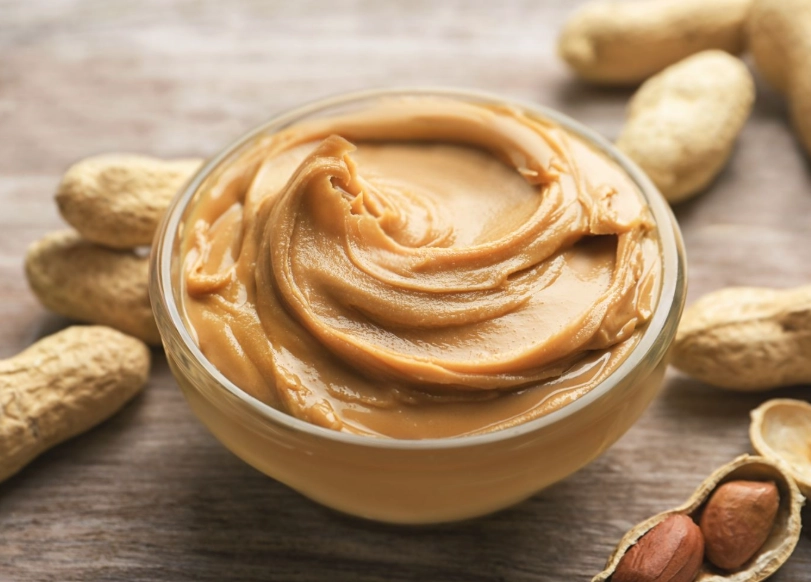
Watch the Sugar Swap: A common trap when reducing sodium is inadvertently increasing sugar. Some "natural" or reduced-sodium brands ramp up the sugar or honey to compensate for flavor. Check the "Total Sugars" line. Under 2-3g per serving is reasonable. I've seen some "healthy" brands hit 5-7g, which is just trading one problem for another.
Low-Sodium Alternatives and Practical Tips
What if you can't find a no-salt-added brand you like, or you're stuck with a high-sodium jar? You have options.
1. Make Your Own. It's simpler than you think. Throw 2 cups of roasted, unsalted peanuts into a food processor. Blend for 5-8 minutes, scraping down sides, until creamy. Add a tiny pinch of salt only if you must. You control everything. Cost? Usually cheaper per ounce than premium natural brands.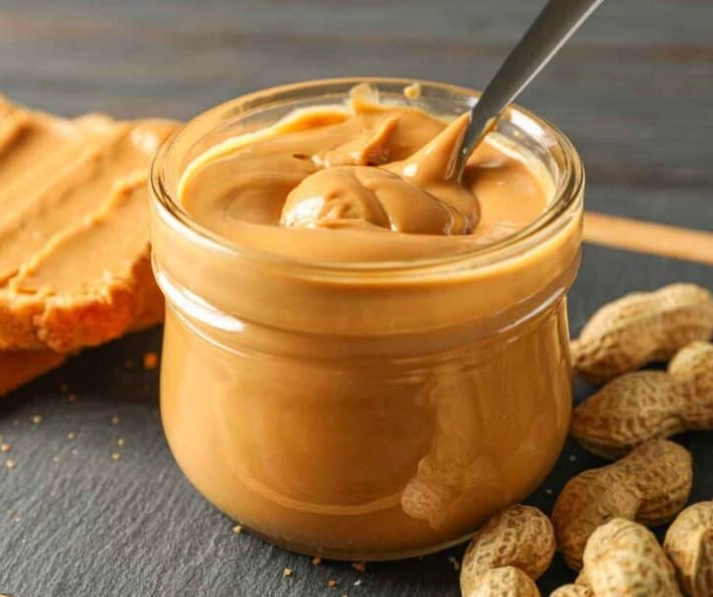
2. The "Dilution" Method. Buy one jar of no-salt-added and one jar of your regular salted brand. Mix them 50/50 in a bowl. You cut the sodium in half instantly while keeping some of the familiar flavor. Gradually increase the ratio of the unsalted one over time. Your taste buds adapt.
3. Explore Other Nut and Seed Butters. Almond butter and cashew butter often have similar sodium ranges (look for no-salt-added versions). Sunflower seed butter is a great peanut-free alternative. Always, always read the label. A "natural" almond butter can still have 120mg of added salt.
4. Flavor It Yourself. Unsalted peanut butter tastes bland at first. Stir in a drizzle of honey, a dash of cinnamon, or a few dark chocolate chips for a treat. For savory applications, you can add a splash of low-sodium soy sauce (like coconut aminos) or a sprinkle of garlic powder.
The goal isn't perfection, it's awareness and better choices. Switching from a 150mg brand to a 0mg brand for your daily snack is a concrete, impactful health decision.
Reader Comments