Let's be honest. The idea of making traditional fudge—standing over a pot, babysitting a candy thermometer, hoping you hit the soft-ball stage just right—is enough to make anyone reach for a store-bought box instead. I've been there. My first few attempts were either grainy sugar rocks or a pan of sweet, unset soup. It was frustrating.
Then I discovered this method. It's not just easy peanut butter fudge; it's a revelation. Three ingredients. One bowl. Zero cooking. In about 10 minutes of active work, you have a pan of rich, creamy, melt-in-your-mouth fudge that'll make people think you're a pastry wizard. This is the recipe I've relied on for a decade for last-minute gifts, potlucks, and those sudden peanut butter cravings. It's the definition of a no-fuss, no cook peanut butter fudge.
In This Article:
- Why This 3-Ingredient Fudge Recipe Is So Reliable
- The Ingredients: Why Brand & Type Matter More Than You Think
- Step-by-Step Guide to Foolproof Microwave Peanut Butter Fudge
- Common Mistakes & Pro Tips From 10 Years of Making This
- How to Store, Gift, and Serve Your Homemade Fudge
- Your Fudge Questions, Answered
Why This 3-Ingredient Fudge Recipe Is So Reliable
The magic here is in sidestepping the traditional sugar-crystallization process entirely. We're not making a sugar syrup. Instead, we're creating a simple peanut butter fat base and using powdered sugar as both the sweetener and the structural backbone.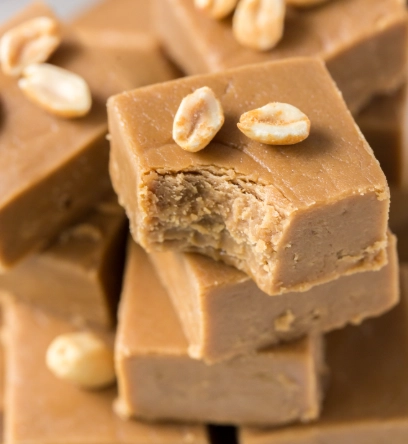
Powdered sugar contains cornstarch, which helps absorb the fats from the peanut butter and butter, giving the fudge its stable, sliceable texture without any cooking. It's a cheat code, and it works perfectly every single time. The method is essentially a microwave peanut butter fudge or a quick stovetop melt, meaning the risk of burning or misreading a thermometer is zero.
I've used this base recipe for holiday trays, school bake sales (nut-free school? I'll address that in the FAQs), and as a quick fix when I need a dessert in under two hours. Its reliability is its best feature.
The Ingredients: Why Brand & Type Matter More Than You Think
With only three components, each one plays a critical role. Swapping or substituting without understanding why can lead to the soft, greasy fudge that gives no-cook recipes a bad name. Here’s the non-negotiable breakdown.
| Ingredient | What to Use (The Right Way) | Why It's Crucial |
|---|---|---|
| Peanut Butter | Shelf-stable, homogenized creamy peanut butter. Think Jif, Skippy, or store-brand equivalents. NOT natural or "drippy" peanut butter. | This is the biggest mistake. Natural peanut butter separates, and that oil will prevent your fudge from setting. The stabilizers in conventional peanut butter create the perfect, emulsified fat base that solidifies when chilled. |
| Unsalted Butter | Real, unsalted butter. Not margarine, not spread. | Butter adds richness and a smooth mouthfeel. Using salted butter can make the fudge taste oddly savory. You control the salt. |
| Powdered Sugar | Also called confectioners' or icing sugar. Sifted is ideal. | This is the structure. The fine sugar dissolves instantly, and the cornstarch in it absorbs moisture/fat, helping the fudge set without graininess. |
| Vanilla Extract & Salt (Optional) | Pure vanilla extract and a pinch of fine sea salt. | Vanilla rounds out the flavor. A pinch of salt (about 1/8 tsp) enhances the peanut butter taste profoundly, cutting the sweetness. I never skip these. |
A quick story: Early on, I tried to be "healthy" and use my favorite natural peanut butter. The result was a delicious, un-cuttable peanut butter paste that stayed oily even after a night in the fridge. Lesson learned. For this recipe, conventional is the way to go.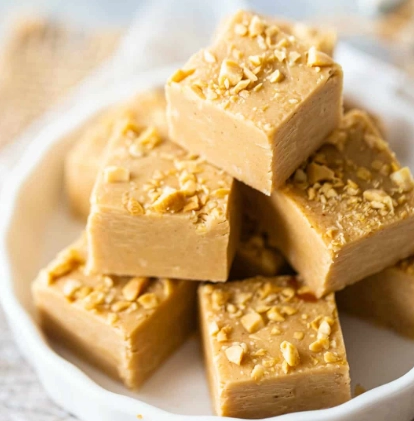
Step-by-Step Guide to Foolproof Microwave Peanut Butter Fudge
Grab an 8x8 inch pan. Line it with parchment paper, letting the edges hang over two sides. This creates a sling to lift the whole block of fudge out later for easy cutting. Trust me, it's worth the 30-second setup.
The 5-Minute Melt
In a large, microwave-safe bowl, combine 1 cup of creamy peanut butter and 1/2 cup (1 stick) of unsalted butter, cut into tablespoons. Microwave on high for 1 minute. Stir. If not completely melted and smooth, microwave in additional 15-second bursts, stirring after each, until it's a homogeneous, glossy liquid. Don't overheat it; the residual heat will continue to melt any small lumps.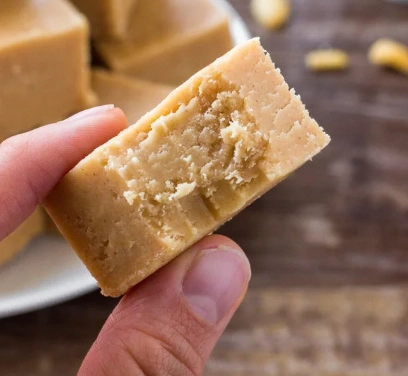
This is where you stir in that 1 teaspoon of vanilla extract and your pinch of salt.
The Power of Sifting
Here’s a pro tip most recipes gloss over: sift 3 3/4 cups of powdered sugar directly into the warm peanut butter mixture. Yes, sift. It prevents little lumps of dry sugar in your finished fudge and makes mixing infinitely easier.
Now, stir. Start gently to avoid a sugar cloud, then dig in. You'll go from a loose mixture to a thick, stiff dough very quickly. It will seem like too much sugar, but keep folding and pressing until no dry streaks remain. The heat from the melted fats helps the sugar incorporate seamlessly.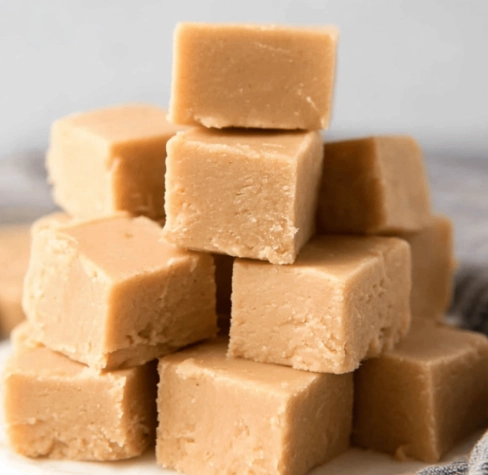
Setting & The Perfect Cut
Press the mixture firmly and evenly into your prepared pan. I use the bottom of a flat glass or a small spatula to get it smooth. Pop it in the refrigerator, uncovered, for at least 2-3 hours until completely firm.
Use the parchment sling to lift the slab onto a cutting board. For clean squares, use a large, sharp knife. Wipe the blade clean with a hot, damp cloth between cuts. You'll get about 36 one-inch pieces.
Want to get fancy? After pressing the fudge into the pan, sprinkle the top with flaky sea salt, a dusting of cocoa powder, or even mini chocolate chips and gently press them in. It looks professional with almost zero extra effort.
Common Mistakes & Pro Tips From 10 Years of Making This
Beyond the peanut butter type, here are the subtle errors that can trip you up.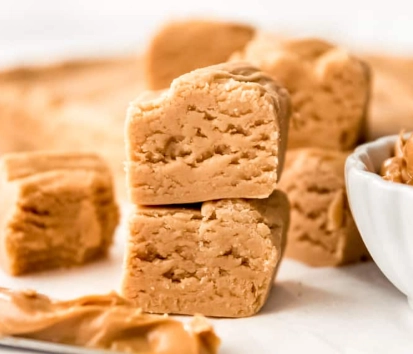
Over-mixing after adding the sugar. Once it's combined, stop. Excessive stirring can incorporate air and make the fudge crumbly instead of dense and creamy.
Not using enough powdered sugar. The ratio is key. If your fudge is too soft, you likely measured the sugar incorrectly (spoon it into the cup, don't scoop) or didn't use the full amount. The mixture should be very stiff.
Rushing the chill time. Two hours is the minimum. If it's still soft in the center, it needs more time. Patience is part of the "easy" process.
Adding vanilla to the hot mixture too early. I add it after melting the butter and peanut butter, but before the sugar. If you add it at the very end, the alcohol can sometimes cause slight graininess. Adding it to the warm fat base lets the flavor bloom without textural issues.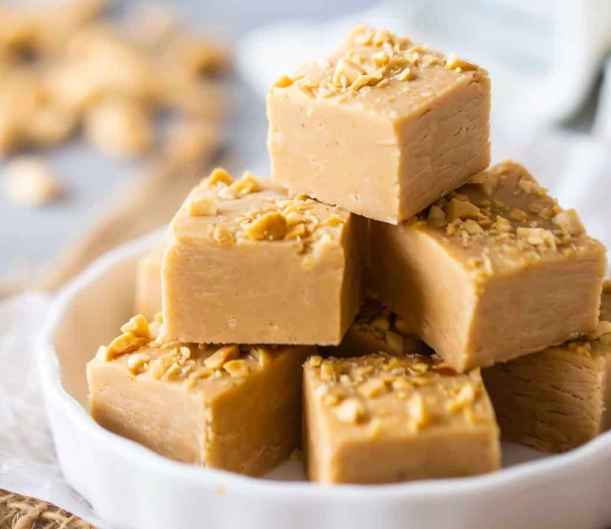
How to Store, Gift, and Serve Your Homemade Fudge
This fudge is a fantastic make-ahead treat. Store it in an airtight container in the refrigerator for up to two weeks. It also freezes beautifully for up to 3 months; just thaw in the fridge overnight.
For gifting, I love using small parchment paper bags or mini cardboard boxes lined with wax paper. Layer the squares with small pieces of parchment between them to prevent sticking. A simple ribbon and a tag with storage instructions ("Keep refrigerated!") make it feel extra special.
Serve it straight from the fridge. The cool, firm texture is part of the experience. It pairs wonderfully with a strong cup of coffee or a glass of cold milk.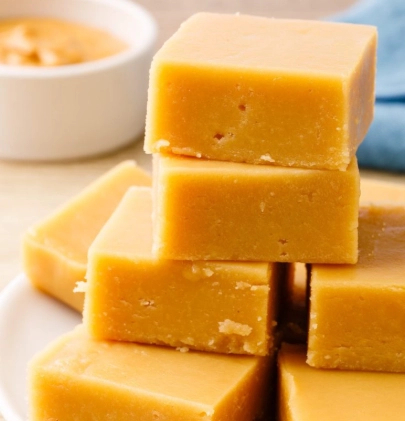
Your Fudge Questions, Answered
There you have it. The easiest, most reliable path to homemade peanut butter fudge. It demystifies the process and delivers a result that's consistently impressive. Go grab that jar of peanut butter—the one you probably already have in your pantry—and give it a try. You might just find it becomes your signature dessert, too.
Reader Comments