Let's be honest. The idea of a peanut butter berry smoothie sounds fantastic—creamy, nutty, sweet, and packed with protein. But the reality? It can be a clumpy, separating mess that leaves you chewing more than sipping. I've been there. After a decade of experimenting with smoothies, both for myself and in nutrition coaching, I've nailed down what turns a good concept into a consistently perfect drink. This isn't just another recipe list. It's a deep dive into the why behind each step, designed to solve the exact problems that ruin most homemade smoothies.
Your Smoothie Roadmap
The Foundation of a Perfect Peanut Butter Berry Smoothie
Think of your smoothie like building a house. You need a solid base. The most common mistake I see is people throwing everything in the blender at once. Texture and blendability suffer immediately.
The magic ratio isn't just about cups and tablespoons. It's about balancing macronutrients and texture agents. You want enough liquid to blend, enough fiber and fat to keep you full, and enough natural sweetness to make it enjoyable. A study in the American Journal of Clinical Nutrition highlights that meals with balanced protein, fiber, and healthy fats promote greater satiety. That's exactly what we're aiming for here.
My go-to foundation, refined over hundreds of blends, looks like this:
| Ingredient Category | Specific Example & Amount | Primary Role | Pro Tip / Common Swap |
|---|---|---|---|
| Liquid Base | 1 cup Unsweetened Almond Milk | Hydration, blendability | Oat milk for creaminess, dairy milk for more protein. |
| Frozen Fruit (Berries) | 1 cup Mixed Berries (strawberries, blueberries) | Flavor, antioxidants, natural sweetness, thickener | Always use frozen. It eliminates need for ice, which waters it down. |
| Protein & Healthy Fat | 2 tbsp Natural Peanut Butter | Creaminess, protein, sustained energy | Must be natural, runny style. Hard, hydrogenated PB will clump. |
| Texture & Nutrition Boost | 1/2 medium Banana (frozen) | Creamy texture, natural sweetness, potassium | Frozen banana is a game-changer. Adds milkshake-like texture. |
| Optional Nutrient Boost | Handful of Spinach, 1 tbsp Chia Seeds | Vitamins, minerals, fiber, omega-3s | Spinach is flavorless here. Chia seeds thicken upon sitting. |
Ingredient Breakdown: Why Each One Matters
Choosing the right version of each ingredient is the difference between a mediocre and a magnificent smoothie.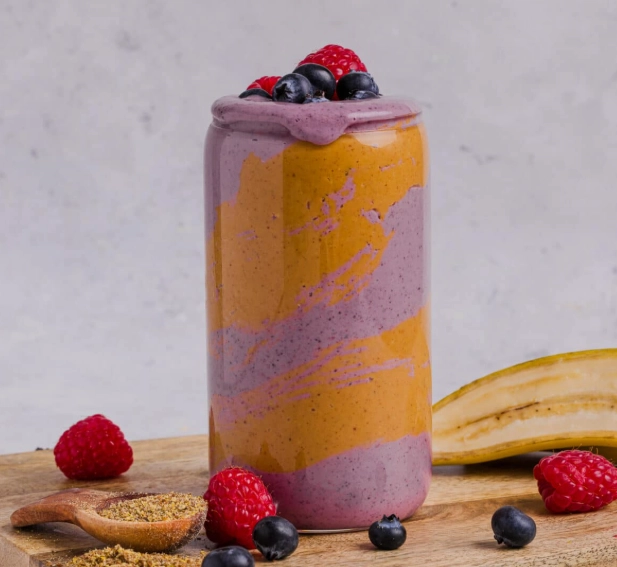
The Peanut Butter Dilemma: Natural vs. Conventional
This is the most critical choice. Standard supermarket peanut butter often contains hydrogenated oils and added sugars. These oils solidify, especially when cold. When you blend them into a frosty smoothie, you get little globs of hard fat. It's unpleasant.
You need the runny, oily, natural kind where the only ingredients are peanuts and maybe salt. It blends seamlessly into a velvety emulsion. Brands like Smucker's Natural or anything you grind yourself at the store are perfect. The oil separation is a feature, not a bug, for smoothie purposes.
Berry Selection: A Flavor and Nutrition Ranking
Not all berries are created equal in a peanut butter context. Here's my personal ranking based on flavor synergy and practical use:
- Strawberries: The top choice. Their bright, slightly tart flavor cuts through the richness of peanut butter perfectly. They also blend very smoothly.
- Blueberries: A close second. They offer a deeper, sweeter note and are packed with antioxidants. They can leave more tiny skin bits, but that's just extra fiber.
- Raspberries: Use with caution. Their seeds can become overwhelmingly prominent against the creamy peanut butter backdrop. I recommend mixing them with another berry.
- Mixed Berry Blends (frozen): The convenient winner. They're cost-effective, provide a complex flavor profile, and are almost always picked at peak ripeness and frozen immediately, locking in nutrients.
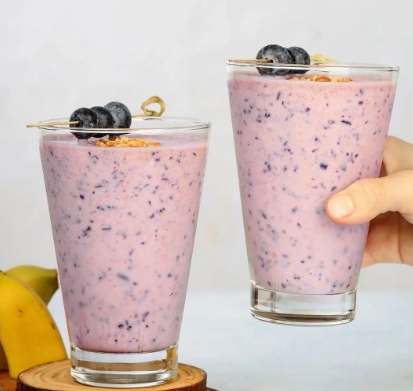
Pro Insight: Don't use fresh berries unless you add ice. Frozen berries act as your refrigerant and thickener. Using fresh berries + ice waters down the flavor significantly. The freezing process also breaks down cell walls slightly, making the natural sugars and flavors more accessible when blended.
The Liquid Base: More Than Just Water
Your liquid choice sets the calorie and flavor tone. Water is fine, but it lacks body. My hierarchy:
- Unsweetened Almond Milk: My default. Low-calorie, slightly nutty, and doesn't overpower.
- Oat Milk: Creates an incredibly creamy, almost malt-like texture. Slightly higher in carbs.
- Dairy Milk or Soy Milk: The best for maximizing protein content, which is great if this is a post-workout or meal replacement.
- Greek Yogurt + Water/Milk: For a super thick, protein and probiotic-packed version. Start with 1/2 cup yogurt and adjust liquid.
The Step-by-Step Process (The Right Order is Key)
Blender order matters more than you think. It protects your blender blade and ensures even blending.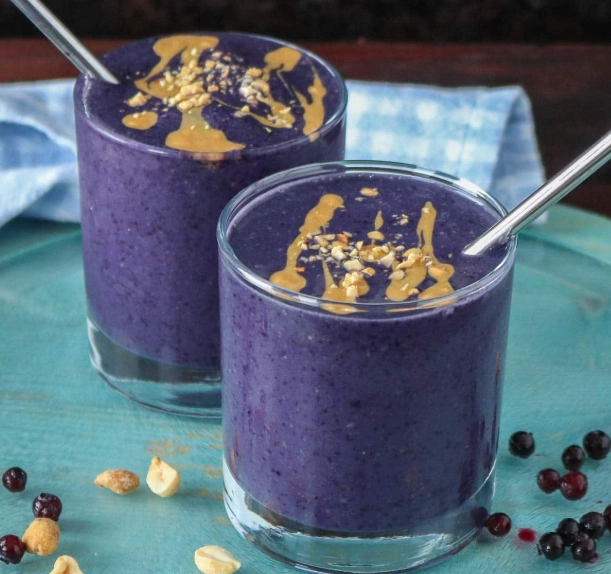
- Add the Liquid First. Always. This creates a vortex that pulls other ingredients down onto the blade, preventing air pockets and dry blending.
- Add your soft ingredients next. This means the peanut butter, yogurt (if using), and any fresh greens like spinach. The liquid helps them start moving immediately.
- Add the frozen fruits last. Place the heaviest, hardest items (frozen banana chunks, frozen berries) on top. This uses gravity to press them into the blades as they begin to blend.
- Blend with a pulse-and-blend technique. Start on low for 10 seconds to combine, then ramp up to high for 45-60 seconds. Stop and scrape down the sides once if needed. If it's not moving, add one tablespoon more liquid at a time.
The #1 Blender Mistake: Overloading or using too little liquid. If your blender is struggling and making a high-pitched whine, stop. You're straining the motor and will get a chunky mix. Add more liquid incrementally. A smoothie should have a self-leveling, pourable consistency when the blender is off.
Solving Common Smoothie Problems
Here’s how to fix the issues that plague most homemade smoothies.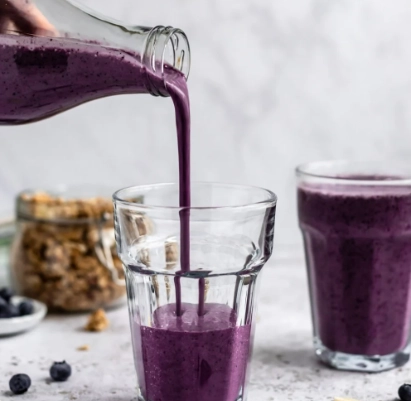
- Problem: Too Thick, Won't Blend. Solution: Add liquid one tablespoon at a time through the blender lid's feed tube while blending on low.
- Problem: Too Thin, Watery. Solution: Add more frozen fruit (a handful of berries or a few banana chunks) or a scoop of plain Greek yogurt. You can also add a teaspoon of chia seeds and let it sit for 5 minutes to thicken.
- Problem: Peanut Butter Clumps. Solution: You're using the wrong peanut butter. Switch to natural. If you must use conventional, let it sit at room temperature for 15 minutes before blending.
- Problem: Not Sweet Enough. Solution: Before adding sugar or syrup, try a pinch of salt. It enhances natural sweetness. Then, add a pitted date or half a tablespoon of maple syrup or honey.
- Problem: Separates Quickly. Solution: This is often due to a lack of emulsifier. The peanut butter and banana should handle this, but adding a teaspoon of chia or flax seeds helps bind the mixture for longer.
Creative Variations to Keep It Exciting
The classic is great, but sometimes you need a change. Here are three tested variations, each with a different goal.
- The Chocolate Lover's: Add 1 tbsp unsweetened cocoa powder and use chocolate-flavored protein powder or almond milk. It tastes like a healthy peanut butter cup.
- The Green Monster: Add a big handful of spinach or kale (trust me, you won't taste it), and use mango instead of banana for a tropical twist. The peanut butter masks any "green" flavor.
- The Coffee Boost: Replace 1/2 cup of the liquid with cold brew coffee. Add 1/2 tsp cinnamon. This is my go-to Monday morning breakfast smoothie.
Your Smoothie Questions, Answered
Mastering the peanut butter berry smoothie is about understanding the ingredients as much as following a recipe. Start with the natural peanut butter and frozen fruit foundation, respect the blending order, and don't be afraid to tweak it to your taste. It's one of the most satisfying, nutrient-dense snacks or quick meals you can make, and once you get the system down, it takes less than five minutes. Now go make one—your blender is waiting.
Reader Comments