Let's cut to the chase. You want a peanut butter chocolate chip cookie that's chewy in the middle, slightly crisp at the edges, packed with peanut butter flavor, and studded with melty chocolate. Not a cakey, dry, or greasy imposter. This recipe delivers that, consistently. The secret isn't a magical ingredient—it's understanding how fat, sugar, and flour interact, and having the discipline to chill your dough. I learned this the hard way after a decade of baking and countless flat, disappointing batches. This method fixes all that.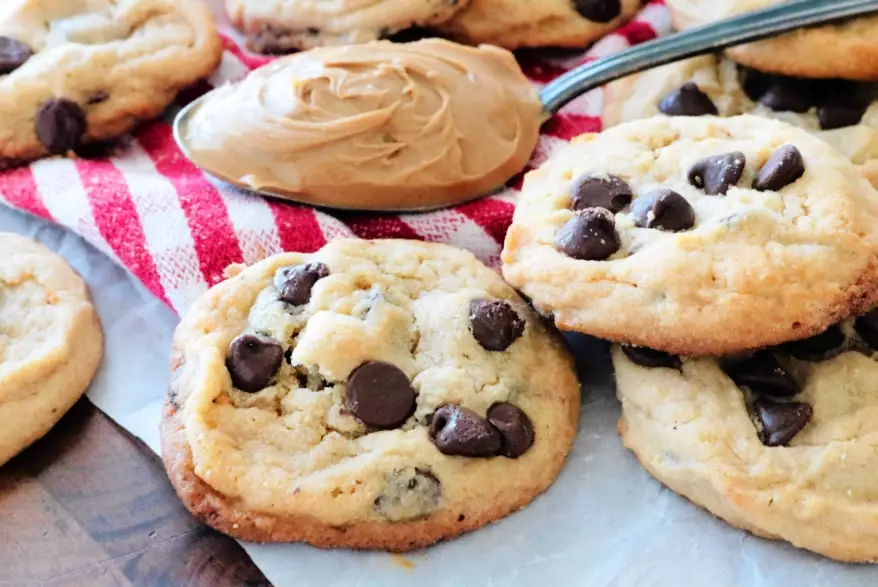
Quick Guide: What's Inside
Why This Chocolate Chip Peanut Butter Cookies Recipe Works
Most recipes fail because they treat peanut butter as a flavor add-in, not a primary fat source. Peanut butter (especially the conventional, shelf-stable kind like Jif or Skippy) is loaded with oil and emulsifiers. If you don't adjust the other fats and sugars, your cookies will spread into a greasy puddle.
This formula balances that. We use a mix of granulated and brown sugar. Brown sugar's molasses adds moisture and acidity, which reacts with baking soda for a better rise. It also gives that signature chew. We reduce the butter slightly because the peanut butter brings plenty of fat. The result? A cookie with structural integrity that still feels indulgent.
Chilling the dough is non-negotiable. It solidifies the fat, preventing immediate spread in the oven. It also allows the flour to fully hydrate, leading to a more complex flavor. I know, waiting is torture. But a 2-hour chill is the difference between a good cookie and a great one.
The Ingredients: A Breakdown, Not Just a List
Dry Team:
- All-purpose flour (1 ¼ cups / 156g): The backbone. Spoon and level it into your measuring cup. Scooping packs it down and leads to dry, cakey cookies.
- Baking soda (¾ tsp) & Baking powder (½ tsp): The double leavening act. Soda reacts with the brown sugar's acidity for spread, powder gives a little lift. Don't substitute one for the other.
- Salt (½ tsp): Use fine sea salt. It amplifies every other flavor, especially the chocolate.
Wet & Fatty Team:
- Unsalted butter (½ cup / 113g), softened: Unsalted lets you control salt levels. Softened means it yields to a gentle press, not melted or greasy.
- Peanut butter (¾ cup / 195g): This is critical. Use a commercial, creamy peanut butter like Jif or Skippy, not the natural kind you have to stir. The stabilizers in conventional brands create a predictable texture. Natural peanut butter often separates and can make cookies oily. If you must use natural, stir it thoroughly and consider reducing it by a tablespoon.
- Brown sugar (¾ cup / 150g) & Granulated sugar (½ cup / 100g): The brown sugar should be fresh and soft. If it's hard, microwave it with a damp paper towel for 20 seconds.
- Large egg (1) & Vanilla extract (1 tsp): The egg binds. Use real vanilla, not imitation.
- Semi-sweet chocolate chips (1 ½ cups / 255g): Or chunks. I prefer a mix of chips and chopped chocolate bars for varied meltiness. Ghirardelli or Guittard are reliable.
How to Make Chocolate Chip Peanut Butter Cookies: A Visual Guide
Follow these steps in order. Baking is a chemical process, and sequence matters.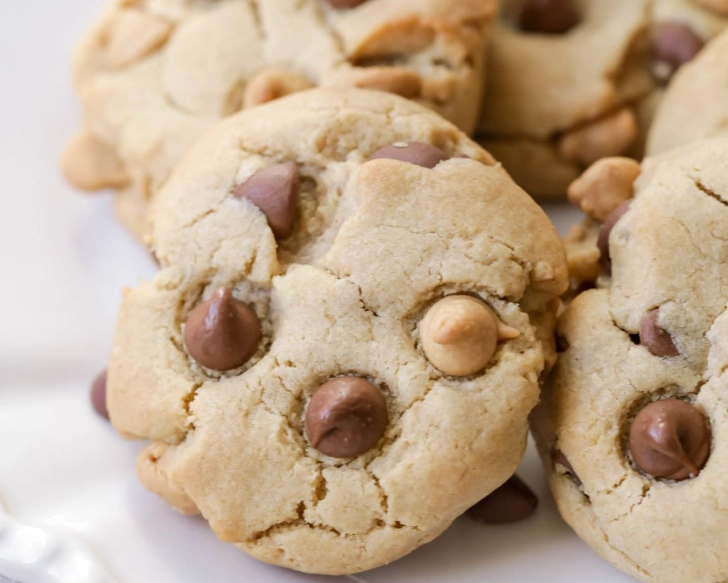
Step 1: Cream the Fats and Sugars (Properly)
In a large bowl, beat the softened butter, peanut butter, brown sugar, and granulated sugar with an electric mixer on medium speed for 2-3 minutes. You're not just mixing; you're incorporating air and dissolving the sugar into the fat. The mixture should lighten in color and look fluffy. This step builds the cookie's texture.
Step 2: Add Egg and Vanilla
Beat in the egg and vanilla extract until just combined, about 30 seconds. Scrape down the sides of the bowl. Over-beating the egg can incorporate too much air, leading to cakeiness.
Step 3: Combine Dry Ingredients
In a separate bowl, whisk together the flour, baking soda, baking powder, and salt. This ensures even distribution of the leaveners, preventing bitter soda pockets.
Step 4: Combine Wet and Dry – Gently
Add the dry ingredients to the wet ingredients. Mix on low speed until just a few flour streaks remain. This is where most people go wrong—they keep mixing until it's perfectly smooth. Stop early.
Step 5: Fold in Chocolate and CHILL
Fold in the chocolate chips with a spatula. Cover the bowl and refrigerate for at least 2 hours, up to 72. Overnight is ideal. The dough will firm up. This is your commitment to quality.
Step 6: Bake to Perfection
Preheat your oven to 350°F (175°C). Line baking sheets with parchment paper. Scoop dough into 1.5-tablespoon balls (a #40 cookie scoop is perfect). Place them 2 inches apart. You can roll them smooth or leave them craggy for more texture.
Bake for 10-12 minutes. They're done when the edges are set and golden, but the centers still look soft and puffy. They will set as they cool. Under-baking slightly is key for chewiness.
Let them cool on the sheet for 5 minutes, then transfer to a wire rack.
Pro Timing: Ovens vary. Start checking at 9 minutes. The cookies should have lost their raw, shiny look on top. If you like a crispier cookie, bake for the full 12-13 minutes.
Expert Baking Tips & Tricks You Won't Find Everywhere
Here’s the stuff that separates home bakers from pros, based on my own trial and error.
The Peanut Butter Paradox: Using “all-natural” peanut butter is the #1 reason for failure I see online. It has a different oil composition and lacks stabilizers. Your cookies will likely be greasy and spread excessively. If you're committed to natural peanut butter, try using ½ cup instead of ¾ and add an extra 2 tablespoons of flour. It's a gamble.
Weigh Your Flour: A kitchen scale is the best $20 you'll spend for baking consistency. “1 cup of flour” can vary by 20 grams depending on how you scoop it. My weight measurements are your safety net.
Chill Your Baking Sheets: If you're baking multiple batches, have a cool baking sheet ready. Putting dough balls on a hot sheet causes them to start spreading before they even hit the oven.
For Thicker Cookies: After scooping the dough balls, tear each one in half and press the two ragged sides back together, placing the rough side up on the sheet. This creates more surface texture and inhibits spread.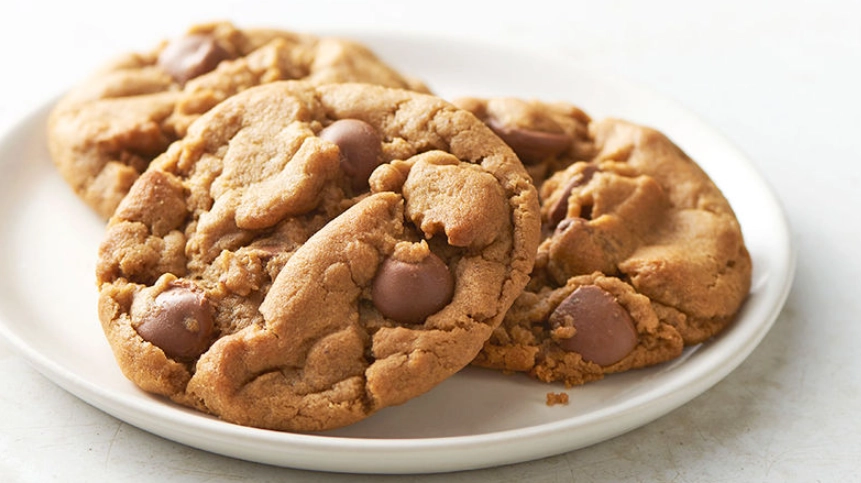
Here’s a quick reference for common issues and fixes:
| Problem | Likely Cause | How to Fix Next Time |
|---|---|---|
| Cookies spread too flat | Dough too warm, oven not hot enough, natural peanut butter | Chill dough longer, ensure oven is preheated, use conventional PB |
| Cookies are dry/cakey | Too much flour, over-mixed, over-baked | Weigh flour, mix until just combined, reduce bake time by 1-2 min |
| Not enough peanut butter flavor | Using a mild brand, not enough salt | Use a robust brand like Jif Extra Crunchy (creamed), increase salt by ⅛ tsp |
| Chocolate pools at the bottom | Dough too wet, chocolate chips too small/coated | Ensure proper chilling, use higher-quality chocolate chips or chunks |
Your Chocolate Chip Peanut Butter Cookies FAQ
These are real questions from my kitchen and from readers over the years.
You can, but you're altering the recipe's core fat structure. Natural peanut butter (just peanuts and salt) has oil that separates and isn't stabilized. Your dough will be oilier and cookies will spread more. If you insist, reduce the peanut butter to ½ cup, make sure it's thoroughly stirred, and chill the dough for at least 4 hours. The results will be different—more rustic and likely flatter—but can still be tasty.
Three likely culprits. First, you measured flour by scooping directly from the bag, which packs in extra flour. Extra flour absorbs moisture, creating a cakey texture. Second, you over-creamed the butter and sugar, incorporating too much air. Cream for 2-3 minutes, not 5. Third, you might have used baking powder instead of the soda/powder combo. Baking powder promotes more lift and airiness.
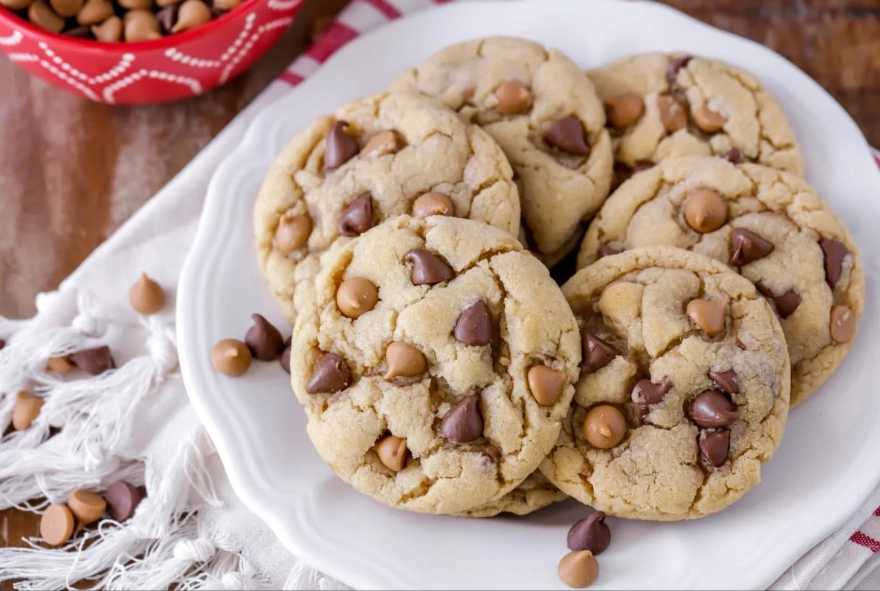
Once completely cool, store them in an airtight container at room temperature with a piece of bread or a tortilla. The baked goods will draw moisture from the bread, staying soft for 4-5 days. You can also freeze the baked cookies for up to 3 months. Thaw at room temperature.
 Can I freeze the cookie dough?
Absolutely, and I recommend it. Scoop the dough balls onto a parchment-lined tray, freeze solid (about 2 hours), then transfer to a freezer bag. You can bake them straight from the freezer; just add 1-2 minutes to the baking time. This is the ultimate “fresh cookie on demand” strategy. Frozen dough keeps for 3 months.
Your baking sheet is likely too dark or thin. Dark pans absorb more heat and over-cook the bottoms. Use a light-colored, heavy-gauge aluminum sheet pan. Also, always use parchment paper or a silicone baking mat—it creates a protective barrier. Double-panning (placing one sheet pan inside another) can also insulate against bottom heat.
Traditional cookie dough carries a risk of salmonella from raw flour and eggs. To enjoy dough safely, you can heat-treat your flour by spreading it on a baking sheet and baking at 350°F for 5-7 minutes, then letting it cool completely before using. For the egg, you could use a pasteurized egg product. The USDA Food Safety website has detailed guidelines on handling raw ingredients. Personally, I bake the cookies. The reward is worth the wait.
Reader Comments