Let's be honest. Regular peanut butter is delicious, but that added sugar can be a real problem if you're watching your carbs, managing diabetes, or just trying to eat cleaner. That's where sugar-free peanut butter comes in. It's not just a niche product anymore; it's a game-changer for anyone wanting the creamy, satisfying taste of peanut butter without the unnecessary sweeteners. But does it taste good? How do you use it? And which brand is actually worth your money? I've been using and recommending sugar-free options for years, and I've seen all the hits and misses. This guide cuts through the marketing hype to give you the real story.
What's Inside This Guide?
What Exactly is Sugar-Free Peanut Butter?
At its core, real sugar-free peanut butter should contain just one ingredient: peanuts. Sometimes salt is added. That's it. The natural oils in the peanuts separate, which is why you have to stir it. The label should read "0g Added Sugars."
Here's where people get tripped up. "No Sugar Added" and "Sugar-Free" can be tricky. According to the U.S. Food and Drug Administration (FDA), a "sugar-free" claim means the product contains less than 0.5 grams of sugar per serving. Since peanuts naturally contain tiny amounts of sugar (about 1-2g per serving from natural fructose and glucose), most pure peanut butters qualify. But you must check the ingredients list. Avoid anything with molasses, cane syrup, honey, or—a common sneaky one—"dried cane syrup."
The Real Health Benefits, Unpacked
Switching to a sugar-free version amplifies the inherent health benefits of peanuts. It's not just about subtracting sugar; it's about maximizing nutrition.
Blood Sugar Management
This is the biggest win. Without added sugars causing a rapid spike, the healthy fats, protein, and fiber in peanuts help create a slow, steady release of energy. A study published in the Journal of the American College of Nutrition has shown that nuts, including peanuts, can improve glycemic control. For someone with insulin resistance or type 2 diabetes, this is crucial. Pairing a tablespoon with an apple or celery stick is a far smarter snack than the sugary alternative.
Heart Health Support
Peanuts are rich in monounsaturated and polyunsaturated fats—the "good" fats. The American Heart Association notes that these fats, when replacing saturated and trans fats, can help lower bad cholesterol (LDL) and reduce heart disease risk. Removing added sugar further supports cardiovascular health by reducing inflammation and triglyceride levels.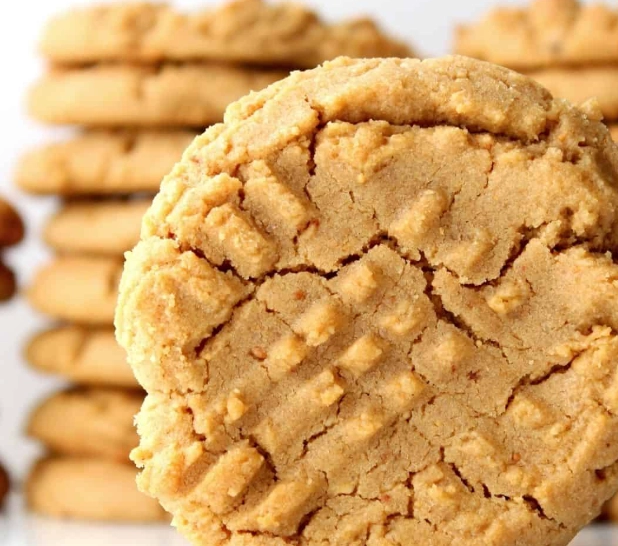
Weight Management Ally
The combo of protein (about 7-8g per serving) and fiber is incredibly satiating. It keeps you full longer, which can curb mindless snacking. Because it's more nutrient-dense per calorie than sugary spreads, you feel satisfied with less. It's a tool, not a magic bullet, but a valuable one in a balanced diet.
Cleaner Ingredient Profile
You're avoiding the inflammatory effects of refined sugars and often the palm oil or hydrogenated oils that many big brands use to prevent separation. You're getting a whole food.
But I have to add a note of caution. Some brands, frankly, taste a bit off. The texture can be grittier or the flavor too bland if you're used to Jif or Skippy. It's an adjustment. The health payoff is real, but the taste experience is different—more authentic, I'd argue.
Top 5 Sugar-Free Peanut Butter Brands Compared
Not all sugar-free peanut butters are created equal. Some have hidden oils, others are too salty, and a few are pure perfection. Based on ingredient purity, taste, texture, and availability, here's my breakdown.
| Brand | Key Ingredients | Nutrition per 2 Tbsp (32g) | Price Point & Where to Buy | My Personal Notes |
|---|---|---|---|---|
| Crazy Richard's 100% Peanuts | Peanuts. That's it. | 190 cal, 16g fat, 7g protein, 2g fiber, 1g sugar (natural) | $$ | Amazon, Walmart, health food stores | My personal favorite. The taste is robust and roasted. You MUST stir it thoroughly (store it upside down first). The oil separation is a sign of purity. |
| Smucker's Natural Peanut Butter (No Salt) | Peanuts. | 200 cal, 16g fat, 8g protein, 3g fiber, 1g sugar | $ | Most major supermarkets (Kroger, Safeway, etc.) | The most accessible true sugar-free option. Creamy texture, reliable taste. The "No Salt" version is the purest. Great for beginners. |
| Teddie All Natural Unsalted | Peanuts. | 190 cal, 16g fat, 8g protein, 2g fiber, 1g sugar | $$ | Northeast U.S. grocers, online | If you can find it, it's excellent. Slightly grittier, old-fashioned texture. Has a very loyal following for its authentic flavor. |
| Santa Cruz Organic Dark Roast | Organic Dark Roasted Peanuts, Salt. | 210 cal, 17g fat, 8g protein, 3g fiber, 1g sugar | $$$ | Whole Foods, higher-end grocers | The dark roast gives it a deep, almost coffee-like note. It's delicious but pricier. Contains salt, so factor that in if you're sodium-sensitive. |
| Adams 100% Natural No Salt | Peanuts. | 190 cal, 16g fat, 8g protein, 2g fiber, 1g sugar | $ | Widely available in Western U.S., some Walmarts | A classic. Similar to Smucker's in availability in its region. The layer of oil on top is legendary—don't pour it off! That's the good fat. Mix it in. |
Avoid brands like "Peter Pan Simply Ground" or "Jif Natural" if the ingredient list includes sugar or palm oil. They market a "natural" image but often still contain added sweeteners.
How to Use Sugar-Free Peanut Butter in Your Daily Diet?
It's a straight swap in most applications, but with a few tweaks for best results.
Breakfast: Stir a tablespoon into plain oatmeal or Greek yogurt. The savory note balances perfectly. Use it as a dip for banana slices or apple wedges.
Lunch: The classic PB&J gets an upgrade. Use whole-grain bread, sugar-free peanut butter, and mashed real berries (raspberries work great) instead of jelly. The berries provide natural sweetness and fiber.
Snacks: Celery sticks ("ants on a log" with raisins—watch the raisin sugar if you're strict), or simply a spoonful straight from the jar when you need a quick protein hit.
Cooking & Sauces: It's fantastic in savory Thai-style sauces. Whisk together ¼ cup sugar-free peanut butter, 2 Tbsp low-sodium soy sauce, 1 Tbsp lime juice, a minced garlic clove, and a bit of chili paste. Thin with warm water. Perfect for noodle bowls or chicken satay.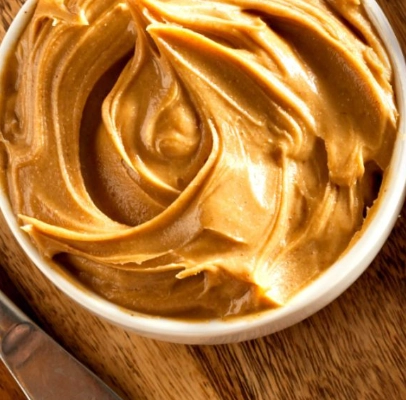
What Are the Best Sugar-Free Peanut Butter Recipes?
Here are three foolproof recipes that highlight sugar-free peanut butter without needing artificial sweeteners.
1. 3-Ingredient Sugar-Free Peanut Butter Cookies
Yes, only three ingredients. I was skeptical too, but they work.
Ingredients: 1 cup sugar-free peanut butter, 1 large egg, ½ cup granulated erythritol or monk fruit sweetener (like Lakanto).
Method: Preheat oven to 350°F (175°C). Mix everything in a bowl until a dough forms. Roll into 1-inch balls, place on a parchment-lined baking sheet, and flatten with a fork in a criss-cross pattern. Bake for 10-12 minutes. Let cool completely—they firm up as they cool. Makes about 18 cookies.
2. High-Protein Morning Smoothie
This keeps me full until lunch.
Ingredients: 1 cup unsweetened almond milk, 1 frozen banana, 2 Tbsp sugar-free peanut butter, 1 scoop vanilla or chocolate protein powder (check for no added sugar), handful of ice.
Method: Blend until smooth. The banana provides all the sweetness needed.
3. Savory Peanut Butter Dipping Sauce
For spring rolls, grilled chicken, or veggie sticks.
Ingredients: ½ cup sugar-free peanut butter, 3 Tbsp coconut aminos or low-sodium soy sauce, 2 Tbsp rice vinegar, 1 Tbsp fresh lime juice, 1 tsp grated ginger, 1 small garlic clove (minced), 2-4 Tbsp warm water to thin.
Method: Whisk all ingredients except water until smooth. Add water one tablespoon at a time until you reach a dipping consistency.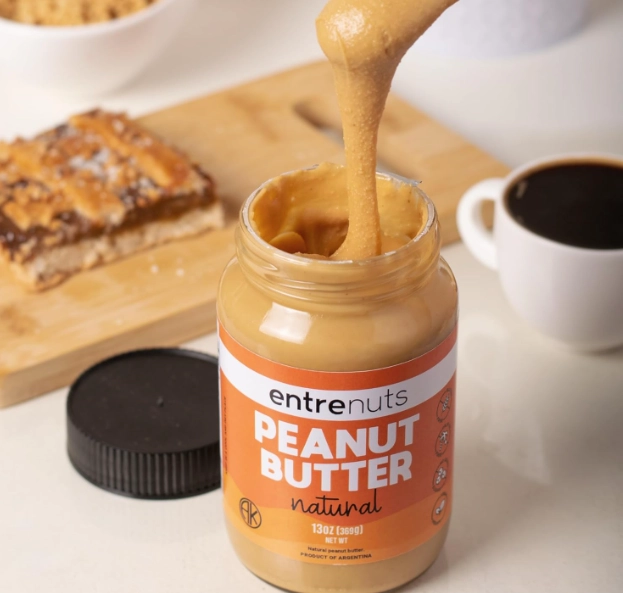
Your Sugar-Free Peanut Butter Questions, Answered
Can I use sugar-free peanut butter for baking, and will it change the texture?
You absolutely can. The main difference is moisture and sweetness. Sugar-free peanut butter often has a slightly drier, more dense texture because it lacks the binding and hygroscopic properties of sugar. In recipes like cookies or energy balls, add an extra egg white or a tablespoon of a neutral oil (like avocado oil) if the dough seems too crumbly. For sweetness, rely on the other ingredients in your recipe—mashed banana, applesauce, or a quality sugar substitute like allulose or erythritol that measures cup-for-cup like sugar.
Is sugar-free peanut butter actually okay for diabetics?
It can be an excellent choice, but with critical nuance. The American Diabetes Association includes nuts and nut butters as healthy fat/protein options. Because it has minimal impact on blood glucose, it's a smart spread. However, portion control is non-negotiable. Two tablespoons is a standard serving with about 7g of protein and 2g of fiber, which helps slow digestion. Always pair it with a carb (like whole-grain bread or fruit) to further blunt any glucose response. Consult your doctor or dietitian, but in my experience working with clients, it's a staple in many diabetic meal plans.
My kids hate the natural taste. How can I get them to eat it?
This is a common struggle. The shift from super-sweet to savory is drastic for young palates. Don't force it. Start by mixing it. Do a 75/25 blend of their usual sweetened peanut butter with a sugar-free one. Gradually increase the sugar-free ratio over a few weeks. Also, use it in strongly flavored contexts where the sweetness is less expected: swirled into a chocolate smoothie, or as a base for a savory noodle sauce. The goal is exposure, not an overnight switch.
How long does it last after opening, and do I need to refrigerate it?
Because there are no preservatives or hydrogenated oils, the oils will separate at room temperature. Stirring it well and then storing it in the refrigerator solves this. It will become thick and spreadable when cold. Refrigerated, it can last 3-6 months after opening. The cold also helps prevent the natural oils from going rancid. If you prefer a softer texture, just let the jar sit on the counter for 10-15 minutes before using.
Why does some sugar-free peanut butter taste bitter or chalky?
You might have gotten a batch made from over-roasted peanuts, or one that's begun to oxidize (go slightly rancid). The chalky sensation sometimes comes from very finely ground peanuts without enough of their natural oils reintegrated. Always stir until completely homogeneous—no dry bits at the bottom. If it tastes consistently off, try a different brand. Santa Cruz Dark Roast or Crazy Richard's tend to have a cleaner, more rounded roasted flavor without bitterness.
Reader Comments