Let's cut to the chase. A perfect Buckeye is a small, round sphere of sweet, creamy peanut butter filling, partially dipped in dark chocolate to leave a bare "eye" of peanut butter showing. It's rich, it's nostalgic, and when done right, it's absolutely irresistible. But the gap between a homemade Buckeye that's just "okay" and one that's truly exceptional is wider than most recipes let on. I've made thousands of these over the years, and I'm here to show you not just the steps, but the why behind each one, so you can avoid the common pitfalls of a soft, messy center or a thick, clumpy chocolate shell.
What's Inside This Guide
What Are Buckeyes, Really?
Buckeyes are the official state candy of Ohio, named for the nut of the state tree, which they resemble. They're a no-bake confection, which is a huge part of their appeal. You don't need an oven, just some elbow grease and a bit of patience. But here's the thing most online guides miss: they're a texture masterpiece. The goal isn't just a peanut butter ball. The filling should be firm enough to hold its shape at room temperature but melt smoothly in your mouth. The chocolate coating should be a thin, crisp shell that cracks neatly when you bite into it, not a chewy, overly thick layer.
I see so many recipes that treat them as an afterthought—just mix, roll, and dip. That approach gets you candy, sure, but not necessarily great candy. The difference lies in the details we're about to cover.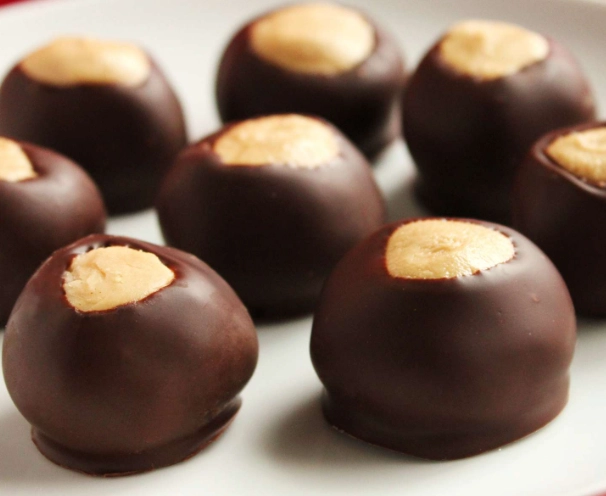
The Non-Negotiable Ingredient List
Using the wrong peanut butter is the single biggest mistake you can make. This isn't the time for the all-natural, oil-separating kind. You need processed, shelf-stable creamy peanut butter like Jif or Skippy. The stabilizers in these brands give the filling the necessary structure. Natural peanut butter will make your Buckeyes oily and too soft, guaranteed.
| Ingredient | Role & Why It Matters | Brand/Type Notes |
|---|---|---|
| Creamy Peanut Butter | The star. Provides flavor and base structure. | Jif or Skippy recommended. Avoid natural or crunchy. |
| Unsalted Butter | Adds richness and helps bind the ingredients. Must be softened. | Real butter, not margarine. Soften at room temp for 1 hour. |
| Powdered Sugar (Confectioners') | Sweetens and dries out the mixture, allowing it to hold shape. | Sift it if it's lumpy for a smoother texture. |
| Vanilla Extract | Enhances the overall flavor profile subtly. | Pure extract is better than imitation. |
| Salt | Balances the sweetness and amplifies the peanut flavor. | A pinch of fine sea salt or table salt. |
| Chocolate for Dipping | Creates the iconic shell. Melting quality is crucial. | High-quality chocolate chips (Ghirardelli) or melting wafers (CandiQuik). |
| Vegetable Shortening or Paraffin Wax* | Thins the chocolate for a smooth, shiny, thin coating. | Optional but highly recommended for professional results. |
*A note on wax: This is a traditional, if controversial, ingredient. Adding a small amount of food-grade paraffin wax (like Gulf Wax) to the melting chocolate creates an incredibly shiny, firm shell that doesn't melt in your hands. If the idea of wax bothers you, a half-teaspoon of vegetable shortening achieves a similar thinning effect, though the shell may be slightly less crisp. The National Confectioners Association notes that such fats are common in coating chocolates to achieve the desired viscosity and texture.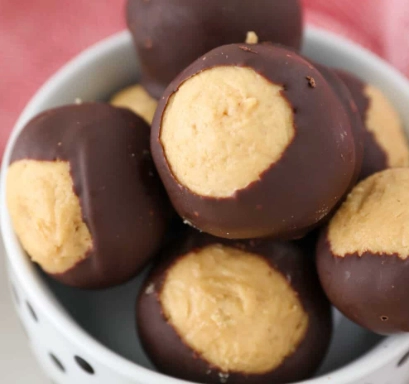
Step-by-Step: Making Perfect Buckeye Centers
Here's where precision pays off. I'll walk you through my method, developed after a few too many batches of misshapen, sticky peanut butter blobs.
Mixing the Filling: Don't Under-Mix
In a large bowl, beat the softened butter and peanut butter together with an electric mixer until completely smooth and uniform. This should take a full 2-3 minutes. Many people just stir—this leads to a grainy texture. Gradually add the sifted powdered sugar, vanilla, and salt. Start the mixer slowly unless you want a cloud of sugar dust. Once incorporated, beat on medium for another 1-2 minutes. The mixture will be thick and should cleanly pull away from the sides of the bowl.
Rolling & The Chill That Matters
Use a small cookie scoop (about 1 tablespoon) for uniformity. Roll each portion into a tight, smooth ball between your palms. Place them on a parchment-lined baking sheet. Now, the critical step: freeze them for at least 30 minutes. Not refrigerate—freeze. This firms them up so they don't soften or lose shape when you handle them for dipping. It also helps the chocolate set faster.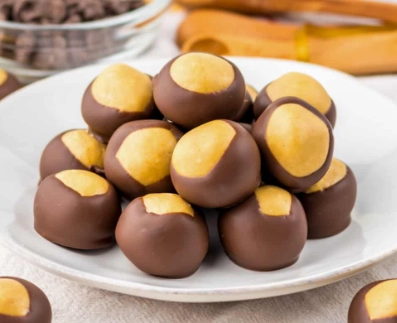
The Chocolate Dipping Secrets No One Talks About
This is the make-or-break phase. You want a thin, elegant coating, not a clumsy glob.
Melt your chocolate (and shortening/wax if using) in a double boiler or in short bursts in the microwave, stirring frequently until just smooth. Transfer to a small, deep bowl—this gives you a deep pool for easy dipping. Remove a few peanut butter balls from the freezer at a time.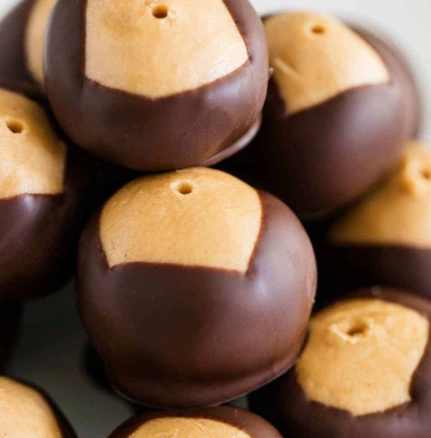
Insert a toothpick into the center of a frozen ball. Dip it about 3/4 of the way into the chocolate, leaving the top bare. Swirl it gently, lift it out, and let the excess chocolate drip off for a few seconds. Place it back on the parchment paper, toothpick side up. Gently twist and remove the toothpick. Use a finger to smooth over the small hole. The frozen center ensures the chocolate sets around it almost immediately, preventing a puddle from forming at the base.
Let the chocolate set completely at room temperature. Don't refrigerate them to set if you can avoid it, as condensation can make the chocolate bloom (get those white streaks).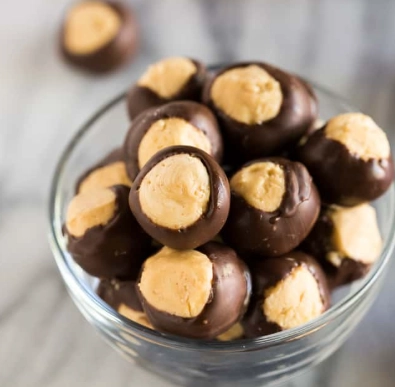
Expert Tips & Troubleshooting
Here's the stuff you won't find in a standard recipe card.
If your filling is too soft: You likely used natural peanut butter or didn't beat the butter/peanut butter base long enough. For rescue, knead in more sifted powdered sugar and re-freeze.
If your chocolate is too thick: Add a tiny bit more shortening (or wax) and re-melt gently. Test with one ball first.
For gift-giving: Layer them in a single layer in a cardboard candy box with parchment between layers. They ship surprisingly well if packed tightly and insulated.
Storage: Keep them in an airtight container at cool room temperature for up to a week, or in the fridge for up to 3 weeks. The texture is best at room temp. You can also freeze the finished Buckeyes for up to 3 months.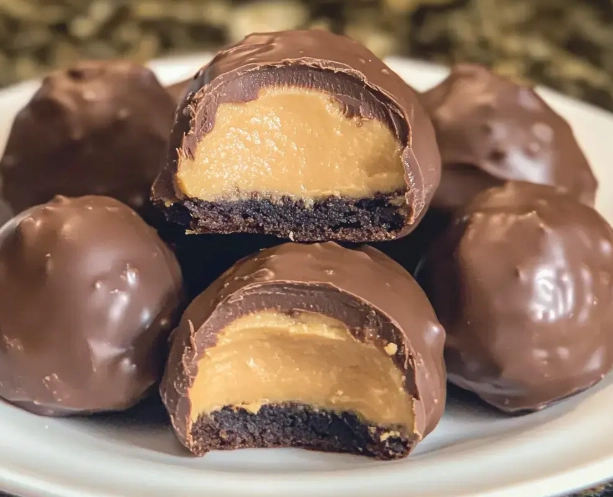
Your Buckeye Questions, Answered
Making buckeyes peanut butter candy is more than following a recipe—it's understanding how fat, sugar, and temperature interact. Start with the right peanut butter, freeze your centers, and take your time with the chocolate. The result is a homemade candy that looks and tastes professional, the kind that makes people ask for your "secret" recipe. Now you have it.
Reader Comments