You picked up a jar of sugar-free peanut butter, thinking it's the ultimate hack for your diet. The label says "no added sugar," so the calories must be low, right? Here's the reality check I wish someone had given me years ago: sugar-free peanut butter is not a low-calorie food. In fact, it often has nearly the same calorie count as the regular kind. A standard two-tablespoon serving packs around 180 to 200 calories. The big difference isn't in the calories; it's in where those calories come from and what it means for your blood sugar, satiety, and overall health goals.
I've been through this myself. I switched to sugar-free versions a decade ago, expecting a dramatic change, only to find my weight loss stalled. It took digging into nutrition labels and understanding macros to see why. This guide will save you that confusion. We'll look at the exact numbers, compare popular brands, and I'll share the practical strategies I use to enjoy peanut butter without derailing my diet.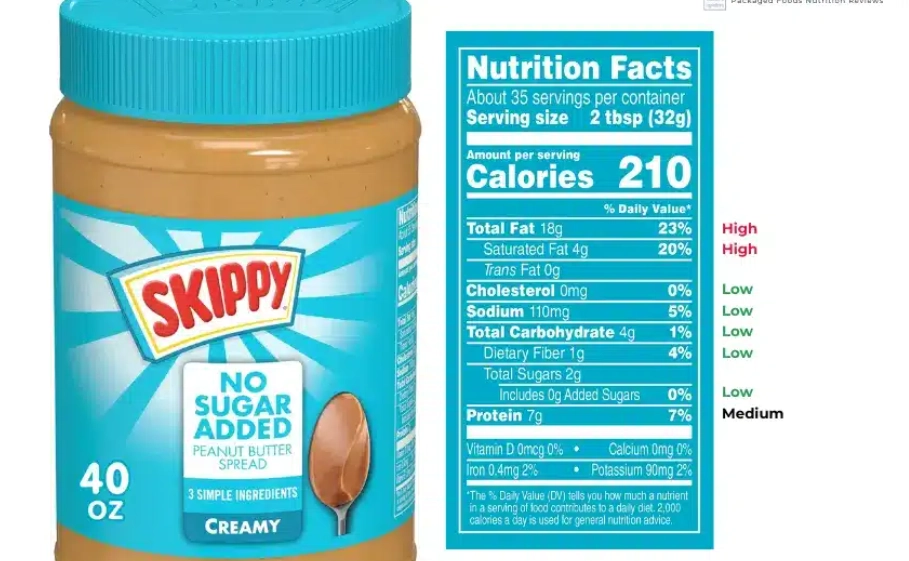
What You'll Find in This Guide
- How Many Calories Are Actually in Sugar-Free Peanut Butter?
- Why Are the Calories in Sugar-Free Peanut Butter So High?
- How to Choose the Best Sugar-Free Peanut Butter for Your Goals
- How to Fit Sugar-Free Peanut Butter into Your Diet Without Going Over Calories
- Your Questions on Sugar-Free Peanut Butter Calories, Answered
How Many Calories Are Actually in Sugar-Free Peanut Butter?
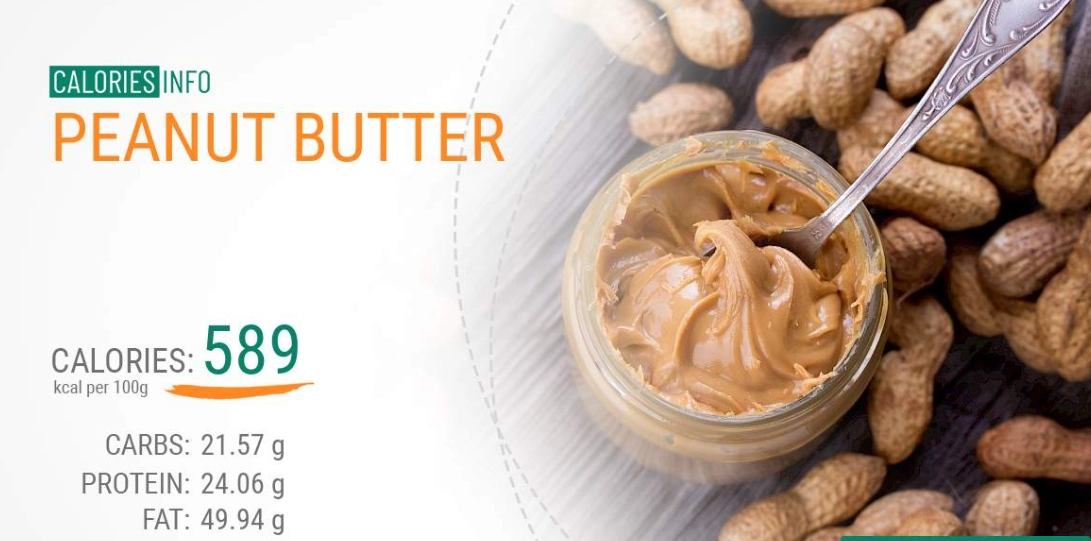
Let's get specific. "About 200 calories" is vague. The exact count depends heavily on the brand and, more importantly, the ingredients. The most accurate data comes from sources like the USDA FoodData Central, which shows that pure, unsalted peanut butter (which is inherently sugar-free) has about 191 calories per 2-tbsp (32g) serving.
But store shelves are filled with options. Here’s a comparison of some popular "sugar-free" or "no sugar added" labels you'll actually find:
| Brand & Product Name | Serving Size | Calories | Total Fat | Protein | Net Carbs | Key Ingredient Note |
|---|---|---|---|---|---|---|
| Jif No Added Sugar Creamy Peanut Butter | 2 Tbsp (33g) | 200 | 16g | 7g | 5g | Uses palm oil and pea protein. |
| Smucker's Natural No Added Sugar Peanut Butter | 2 Tbsp (32g) | 210 | 17g | 8g | 4g | Just peanuts and salt. Oil separates. |
| Justin's Classic No Added Sugar Peanut Butter | 2 Tbsp (32g) | 190 | 16g | 8g | 5g | Uces palm oil. Single-serve packs common. |
| Teddie All Natural No Salt/Sugar Added | 2 Tbsp (32g) | 190 | 16g | 8g | 5g | Just peanuts. A classic "stir" brand. |
See the pattern? The calories are tightly clustered. The fat content is the major driver, contributing about 144 of those calories (since fat has 9 calories per gram). The protein adds another 28-32 calories. The minimal carbs from the peanuts themselves make up the rest.
A mistake I see people make is assuming "sugar-free" on the front means "diet food" on the inside. It's not. It's a whole food with a dense calorie profile.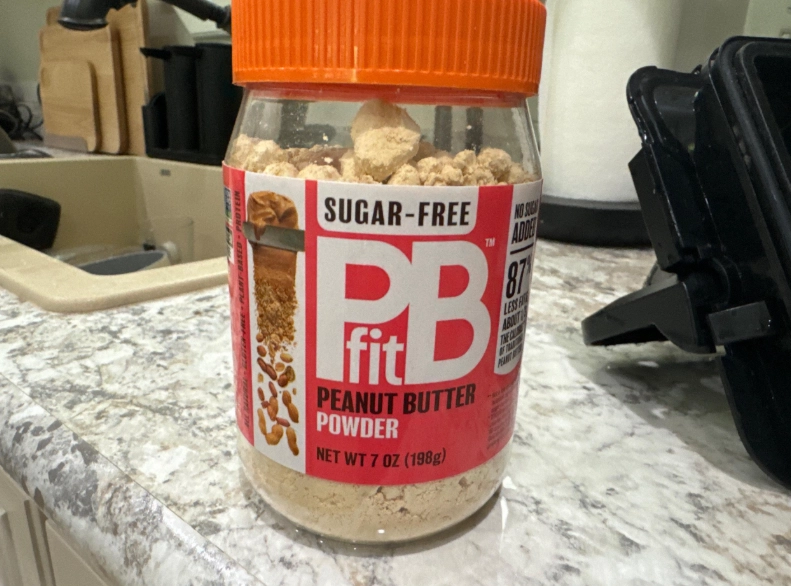
Why Are the Calories in Sugar-Free Peanut Butter So High?
The calories are high because peanuts are about 50% fat by weight. This isn't a bad thing. We need to shift the focus from just the calorie number to the quality of those calories.
In regular peanut butter, some calories come from added sugars (like molasses or cane sugar). In sugar-free versions, those sugar calories are removed, but the nut butter base—the peanuts and their natural oils—remains. So, you're left with the calories from healthy fats, protein, and the peanut's natural fiber.
The Nutrient Trade-Off: Why This is Good News
Those 190-210 calories deliver a powerful package regular sugary spreads can't match:
- Healthy Fats (Monounsaturated & Polyunsaturated): These support heart health, help absorb vitamins, and keep you full for hours. This is the main source of calories, and it's a beneficial one.
- Plant-Based Protein: Around 7-8 grams per serving. Protein is crucial for muscle repair, metabolism, and satiety. It makes those calories "work harder" for you.
- Fiber: About 2-3 grams. Fiber slows digestion, stabilizes blood sugar (a key benefit of going sugar-free), and promotes gut health.
- Vitamins & Minerals: You get a dose of Vitamin E, magnesium, potassium, and B vitamins like niacin.
So, while the calorie count might look similar to a cookie, the physiological effect is worlds apart. One leaves you hungry and craving more in an hour; the other fuels your body steadily.
How to Choose the Best Sugar-Free Peanut Butter for Your Goals
Not all sugar-free peanut butters are created equal. The ingredient list is your best friend here. Based on trying dozens of brands, here’s my decision framework:
1. The Gold Standard: Peanuts + Salt Only
This is what you want. The label should read: "Peanuts, Salt." Sometimes it's just "Peanuts." Brands like Smucker's Natural (No Added Sugar), Teddie, and many store-brand "natural" versions fit this. The oil will separate—that's a sign it's real. You have to stir it, but the nutrition is pure.
2. The Compromise: Added Oils for Stability
Brands like Jif No Added Sugar add palm oil or fully hydrogenated vegetable oils to prevent separation and make it easier to spread. The calorie count is virtually identical, but you're introducing processed fats. I avoid hydrogenated oils due to their inflammatory potential, even if the label says "0g trans fat." Palm oil is a debated one—it's stable but has environmental concerns. This is a convenience-for-purity trade-off.
3. The Sneaky One: "No Added Sugar" but with Sugar Alcohols or Artificial Sweeteners
Some "sugar-free" products replace sugar with maltitol, erythritol, or sucralose to mimic sweetness without carbs. This is common in "powdered" peanut butter or specific diet brands. Check the label. For most people just looking for a natural spread, these are unnecessary and can cause digestive upset. The calories might be slightly lower if they've also removed fat, but you're getting a highly processed food.
My personal rule? If the ingredient list has words I can't pronounce or wouldn't find in my kitchen, I put it back. The goal is peanut butter, not a chemistry project.
How to Fit Sugar-Free Peanut Butter into Your Diet Without Going Over Calories
This is the practical part. Knowing the calories is useless if you don't know how to use it. The biggest pitfall is portion distortion. That 2-tbsp serving is about the size of a ping-pong ball. Most people double that without thinking, adding 400 calories to their snack.
Here’s how I make it work, whether I'm maintaining, losing, or building muscle:
For Weight Loss (Calorie Deficit): Don't eat it straight from the jar. Ever. Measure it. I use a tablespoon. A single tablespoon (about 100 calories) is often enough to satisfy a craving and add flavor. Thinly spread it on a high-fiber rice cake or apple slices. Mix a half-serving into plain Greek yogurt with cinnamon. The combo of fat, protein, and fiber from the pairing food is magic for hunger control.
For Maintenance or Active Lifestyles: This is where the full 2-tbsp serving shines. Add it to your post-workout smoothie with banana and protein powder. Use it as the base for a satay sauce on chicken and veggies. Make a proper peanut butter and whole-grain bread sandwich. The calories are fueling activity and recovery.
A Sample Day Scenario: Let's say your target is 1800 calories. You could allocate 200 calories for a mid-morning snack: 1 tbsp sugar-free peanut butter (100 cal) + one medium apple (95 cal). That's a balanced, satisfying 195-calorie snack that won't spike your blood sugar. It fits seamlessly.
The trick is to plan for it as a nutrient source, not just a mindless topping.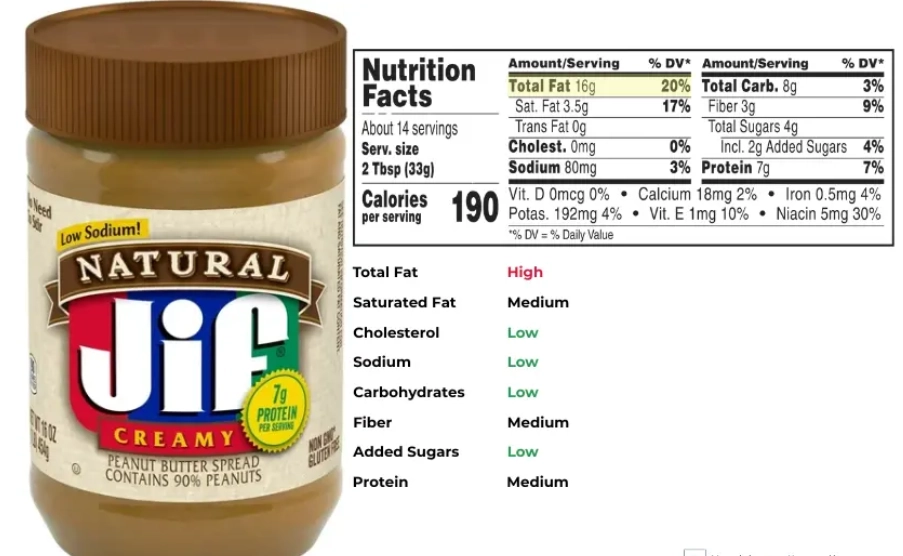
Your Questions on Sugar-Free Peanut Butter Calories, Answered
 What's the single biggest mistake people make with sugar-free peanut butter calories?
Final thought. The calories in sugar-free peanut butter are a feature, not a bug. They come packaged with nutrients that support your health. Respect the calorie density, measure your portions, and choose a product with the shortest ingredient list possible. It can be a staple in a healthy diet, not a diet derailer.
Reader Comments