You're in the grocery aisle, staring at the wall of peanut butter jars. Regular, natural, reduced fat, and then you see it: fat free peanut butter. It sounds like a dream for anyone counting calories or watching their fat intake. But hold on. Is it too good to be true? What's really in that jar, and more importantly, does it taste like cardboard? I've been experimenting with these spreads for years, both personally and in recipe development, and I've learned there's a lot more to the story than the "fat free" label suggests. This isn't just about swapping one jar for another; it's about understanding the trade-offs so you can make a choice that fits your actual health goals, not just the marketing hype.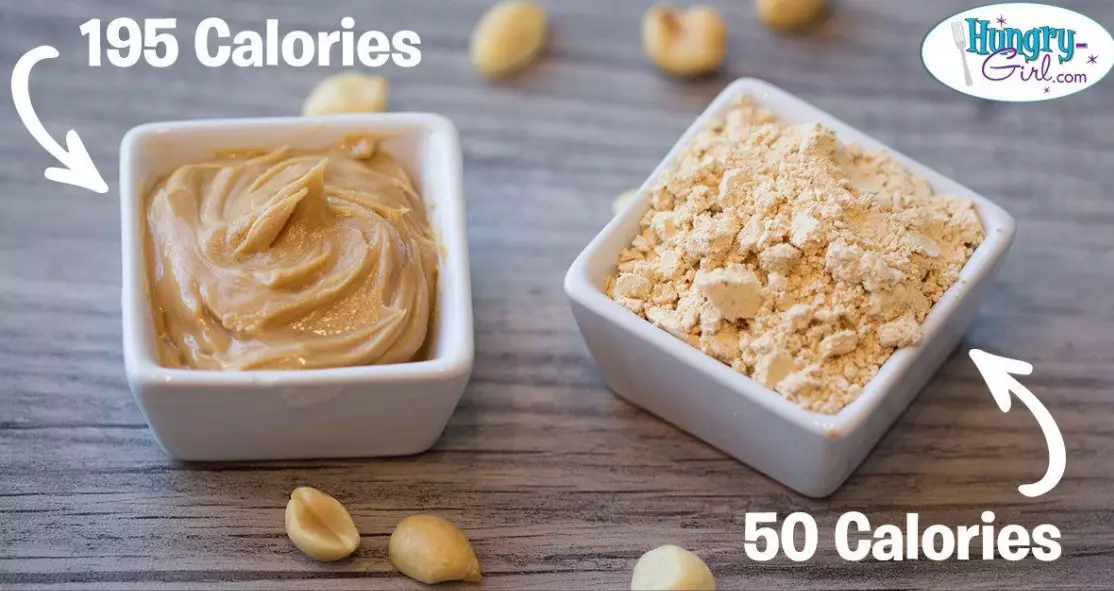
What You'll Learn in This Guide
- What Exactly is Fat Free Peanut Butter?
- The Nutrition Debate: Is Fat Free Peanut Butter Actually Healthy?
- How to Choose the Best Fat Free Peanut Butter: A Brand Comparison
- Cooking and Baking with Fat Free Peanut Butter: Tips and Recipes
- Common Mistakes and Expert Tips for Using Fat Free Peanut Butter
- Your Fat Free Peanut Butter Questions, Answered
What Exactly is Fat Free Peanut Butter?
Let's start with the basics. Peanuts are naturally about 50% fat. So how do you get a fat free peanut butter? They press out most of the peanut oil. What you're left with is a peanut paste that's then mixed with other ingredients to make it spreadable and palatable. This is the crucial part everyone misses. That missing fat has to be replaced with something, otherwise you'd have a dry, crumbly brick. Manufacturers typically add sweeteners (like corn syrup solids or sugar), starches (like maltodextrin or potato starch), and extra protein powders. The result is a product that can legally claim "0g fat per serving" but has a completely different nutritional and chemical profile than the peanut butter you grew up with.
Texture is the first giveaway. It's often gummier or stickier than regular peanut butter. The flavor is different too—sometimes sweeter, sometimes with a faintly artificial or overly roasted note to compensate for the missing rich fat. It's a processed food, no two ways about it.
The Nutrition Debate: Is Fat Free Peanut Butter Actually Healthy?
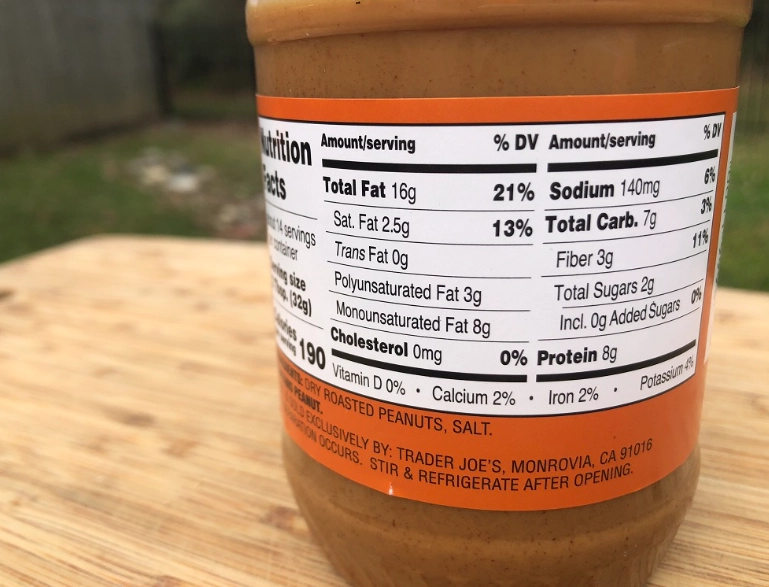
This is where things get interesting. On paper, the calorie savings are real. A standard 2-tablespoon serving of regular peanut butter has about 190 calories and 16g of fat. The fat-free version can slash that to around 90-110 calories and 0g of fat. If you're strictly managing calories for weight loss, that's a significant difference, especially if you eat peanut butter daily.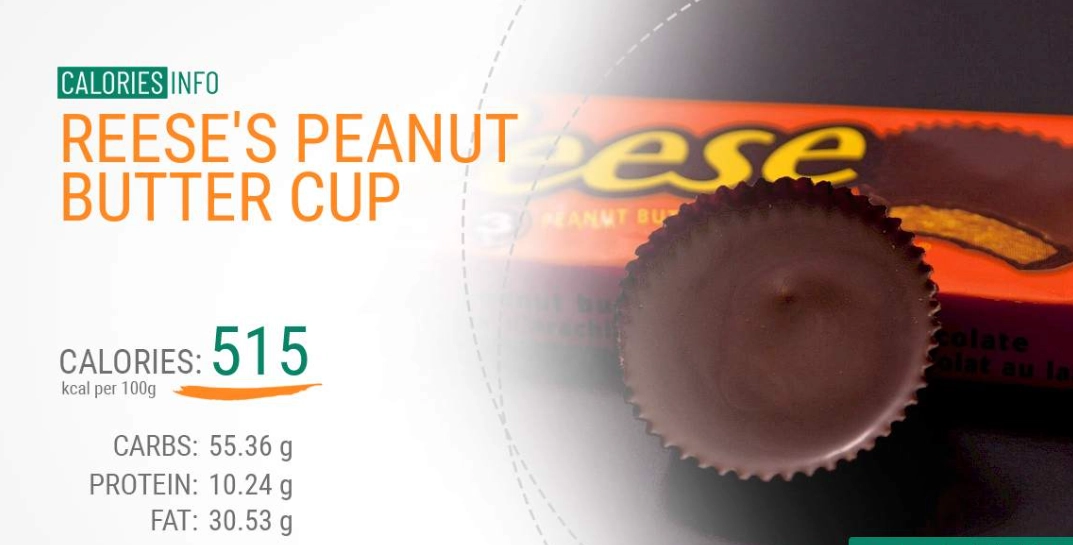
The Sugar and Additive Trap
Flip the jar over. Check the ingredient list and the sugar content. This is the real catch. To make up for the lack of flavor and mouthfeel, many brands pump up the sugar. You might see 4-6 grams of added sugar per serving, compared to 1-3 grams in a natural, no-sugar-added regular peanut butter. You're trading natural, satiating fat for processed carbohydrates and additives.
Let's look at a real comparison, using data from the USDA FoodData Central and common brand labels:
| Nutrient (per 2 tbsp) | Natural Peanut Butter (just peanuts) | Typical Fat Free Peanut Butter | What It Means For You |
|---|---|---|---|
| Calories | ~190 | ~100 | Clear win for calorie counters. |
| Total Fat | 16g (mostly healthy fats) | 0g | You lose the satiating, heart-healthy fats. |
| Protein | 7-8g | 5-8g (often boosted with protein isolates) | Similar, but the source may be more processed. |
| Total Carbs/Sugar | 6g / 1-2g (natural) | 15-20g / 4-6g (often added) | Big increase in carbs and processed sugars. |
| Fiber | 2-3g | 2-4g | Comparable, sometimes fiber is added. |
| Key Ingredients | Peanuts, maybe salt. | Peanut solids, corn syrup solids, sugar, starch, protein isolate, emulsifiers. | You're eating a much more engineered food product. |
So, is it healthy? It's complicated. For a specific scenario—like a bodybuilder in the final stages of contest prep needing extremely low-fat, high-protein calories—it can be a useful tool. For the average person trying to eat cleaner? You might be better off having a smaller portion of real, natural peanut butter and enjoying the fullness and nutrients it provides.
How to Choose the Best Fat Free Peanut Butter: A Brand Comparison
Not all fat free spreads are created equal. Some are sugar bombs, while others try to keep it simpler. Here’s a breakdown of what you’ll find on shelves and online, based on my own pantry experiments and label scrutiny.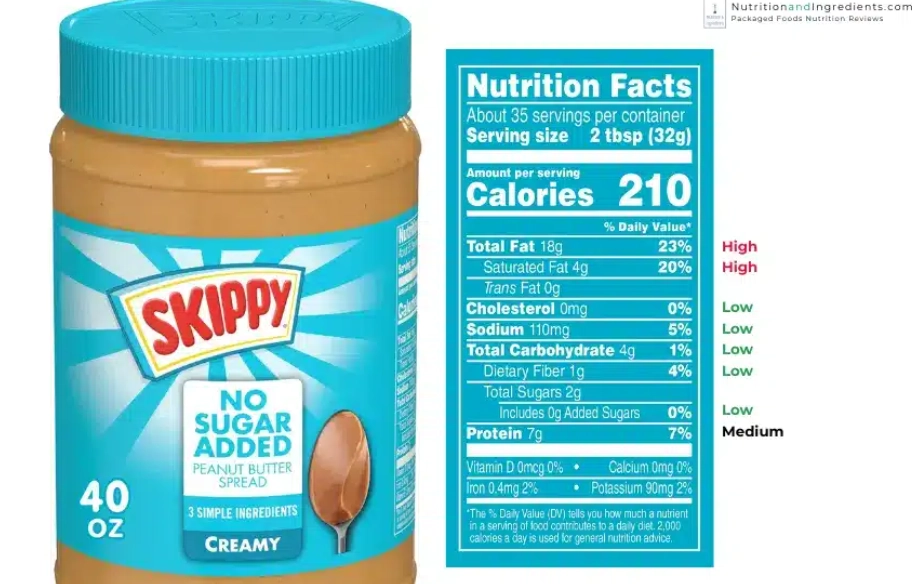
Peter Pan Fat Free Peanut Spread: This is one of the most common. It's sweet, with a smooth, almost frosting-like texture. The ingredient list is long, featuring corn syrup solids and sugar high up. It works fine as a sweet spread on toast or an apple, but don't expect a deep peanut flavor. It's more of a peanut-flavored dessert topping.
Jif Fat Free Peanut Spread: Similar to Peter Pan, Jif's version is all about familiarity and sweetness. It has that classic "Jif" taste profile, just without the fat. Again, corn syrup solids are a key ingredient. I find the texture a bit gummier than Peter Pan's.
PBfit / PB2 (Peanut Butter Powder): This isn't a spread in a jar; it's a dehydrated powder made from pressed peanuts. You mix it with water. This is a popular choice because you control the thickness, and the ingredient list is usually just peanuts, sugar, and salt. It has about 1.5g of fat per serving, so it's not completely fat-free, but it's very low. The big advantage here is versatility—you can add the powder to oatmeal, smoothies, and sauces without altering the texture much. The downside? The reconstituted spread can taste a bit chalky if you don't get the water ratio right.
Cooking and Baking with Fat Free Peanut Butter: Tips and Recipes
This is where you can really make fat free peanut butter shine, or where you can run into disaster. It is not a 1:1 substitute for regular peanut butter in recipes. The missing fat changes everything.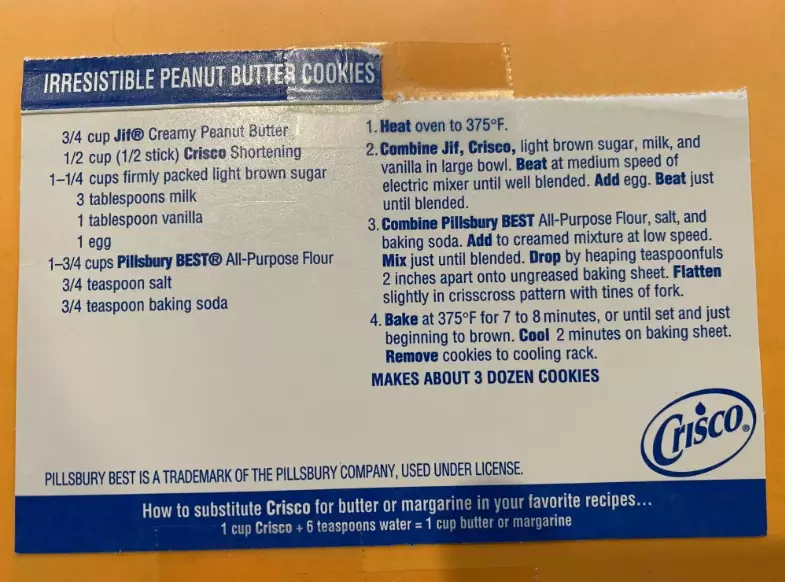
Baking: Fat provides moisture and tenderness. If you swap it directly in cookies or cakes, you'll likely get a drier, tougher, or crumblier result. The workaround? Use it in recipes that already have another fat source, like oil or butter. Think of it as a peanut flavoring agent, not the primary fat. For example, you could replace half the regular peanut butter in a recipe with the fat-free version.
Sauces and Dressings: This is a great application. Blended into a satay sauce, a salad dressing, or a noodle sauce, the gummy texture disappears. The sweetness can actually work well in Asian-inspired sauces. Thin it out with soy sauce, lime juice, a little vinegar, and some chili garlic paste.
Smoothies and Oatmeal: Perfect. It blends right in, adds protein and peanut flavor without the oiliness that can sometimes separate in a smoothie. A scoop of peanut powder is especially clean here.
Fat Free Peanut Butter Protein Balls (No Bake)
This recipe uses peanut powder to avoid the gummy texture of jarred spreads. It's a classic for a reason—fast, portable, and satisfying.
Ingredients:
* 1 cup (about 100g) fat-free peanut butter powder (like PBfit)
* 1/4 cup honey or maple syrup (adjust for stickiness)
* 1/4 cup old-fashioned oats
* 2-3 tablespoons water (start with 2)
* 1/4 cup mini dark chocolate chips (optional)
* A pinch of salt
Steps: Mix the peanut powder and oats in a bowl. Add the honey and 2 tbsp water. Stir. It will be crumbly at first. Keep mixing—it will come together into a thick dough. If it's too dry, add the extra water 1 tsp at a time. Fold in chocolate chips if using. Roll into 12-14 small balls. Refrigerate for 30 minutes to firm up. Store in the fridge.
Why this works: The powder absorbs the liquid binder (honey/water) beautifully, creating a dough-like consistency that jarred fat-free spread can't achieve on its own.
Common Mistakes and Expert Tips for Using Fat Free Peanut Butter
After years of trial and error, here are the pitfalls I've seen (and fallen into myself).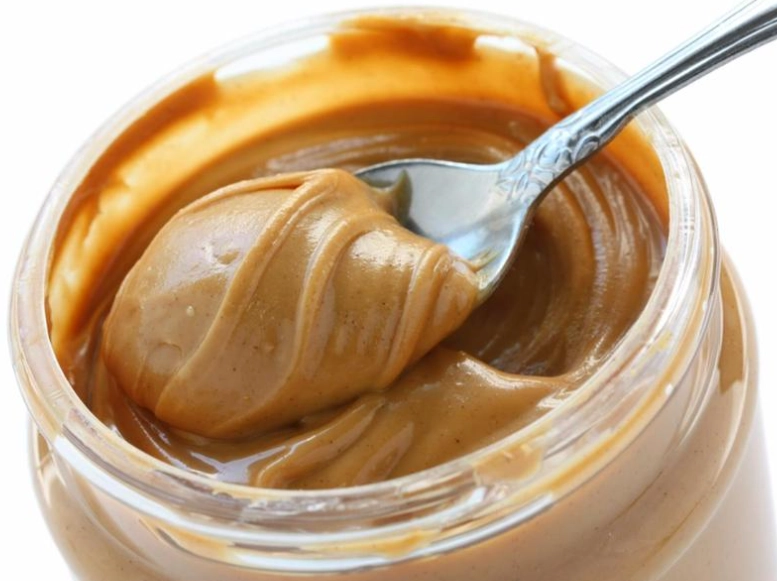
Mistake 1: Treating it like a health food free-for-all. Just because it's fat-free doesn't mean you can eat the whole jar. The calories and sugar still add up. Portion control matters.
Mistake 2: Using it in the wrong recipes. As mentioned, direct substitution in baking usually fails. Test it in small batches first.
Mistake 3: Not reading the label. Compare sugars and ingredients. Pick the one with the shortest list and least added sugar, even if it costs a bit more.
Pro Tip for Better Flavor: If you find your fat-free spread tastes flat or too sweet, stir in a tiny pinch of flaky sea salt. It cuts the sweetness and enhances any underlying peanut flavor dramatically. A drop of vanilla extract can also round out artificial notes.
The Storage Quirk: Because there's no oil to separate, you don't need to stir fat-free peanut butter. But some brands can dry out a bit at the top of the jar. Keeping it upside down in the pantry can help keep the texture consistent.
Your Fat Free Peanut Butter Questions, Answered
 Is fat free peanut butter okay for someone with diabetes?
The bottom line? Fat free peanut butter is a specific tool for a specific job. It's not inherently "good" or "bad." Understand its trade-offs—lower fat and calories, but often higher in processed carbs and additives. Use it strategically where its texture works (smoothies, sauces) and be wary of direct swaps in baking. For daily enjoyment and maximum nutrition, a spoonful of the real, natural stuff might still be your best bet. But if your goal is strictly to cut calories from your peanut butter fix, now you know exactly how to do it smartly.
Reader Comments