Let's be honest. The jar of peanut butter in your pantry is a loyal friend, but it's dreaming of a more exciting life. Spicy peanut butter sauce is that life. It's the transformation from a simple sandwich spread into a complex, savory, slightly sweet, and deeply addictive condiment that can rescue boring chicken, elevate limp noodles, and turn a plate of raw veggies into a meal you actually look forward to. Forget the thin, one-note glazes you might have tried. A truly great spicy peanut sauce is creamy, balanced, and deeply flavorful. I've spent years tweaking my recipe, and the version I'm sharing here is the one I keep coming back to—it's the workhorse of my kitchen.
What's Inside This Guide
The Master Recipe: Building Your Base Sauce
This isn't just a list of ingredients. It's a blueprint. Understanding the role of each component is what separates a good sauce from a forgettable one.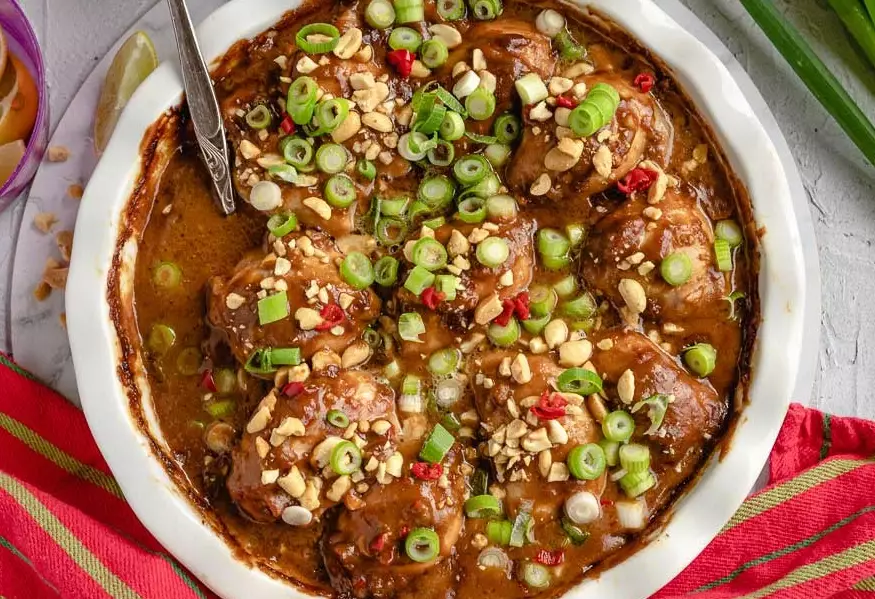
The Core Ingredients & Their Jobs:
- Peanut Butter (1/2 cup): Use natural, unsweetened peanut butter with just peanuts and salt. The oil separation is normal—just stir it well. The pre-stabilized, sugary kinds make the sauce cloying and can cause it to seize up. This is the most common mistake I see.
- Liquid (1/3 to 1/2 cup): This is your texture control. Start with 1/3 cup of hot water. You can use coconut milk for richer results, or broth (chicken or vegetable) for more savory depth.
- Acid (2 tbsp): Lime juice is classic for its bright, floral notes. Rice vinegar works if you want a milder tang. Don't skip this—it cuts through the fat and prevents the sauce from tasting flat.
- Sweetener (1.5 tbsp): Honey or maple syrup. Brown sugar works but needs to be dissolved in the hot liquid first. This balances the salt, spice, and acid.
- Umami & Salt (2 tbsp soy sauce, 1 tsp): Soy sauce is non-negotiable for depth. Use tamari for gluten-free. Taste before adding extra salt.
- Aromatics (1 clove garlic, 1 tsp grated ginger): Freshly minced and grated. Powdered versions taste dusty here.
The Method That Actually Works:
Whisk everything except the peanut butter in a bowl until the sweetener dissolves. This is key. Now, add the peanut butter a spoonful at a time, whisking vigorously after each addition. If you dump all the peanut butter in at once, you'll fight lumps for minutes. Adding it slowly to the liquid lets it emulsify smoothly, giving you a silky, professional-looking sauce. I learned this the hard way after one too many lumpy batches.
Once combined, taste. It should be a bit too strong and salty on its own—it's meant to coat food. Now, decide on your heat.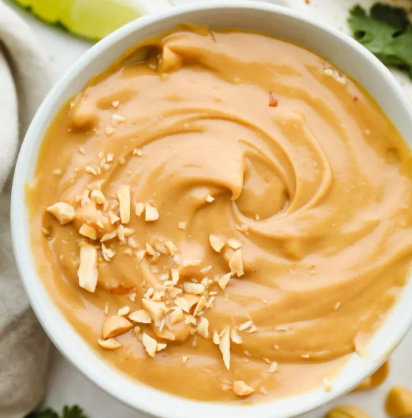
How to Customize the Flavor & Heat Level
"Spicy" means different things to everyone. This is where you make the sauce yours. The source of heat changes the flavor profile dramatically.
Choosing Your Heat Source
- Sriracha (1-2 tbsp): The easy button. Adds garlicky, slightly sweet heat. Perfect for a quick, familiar kick.
- Sambal Oelek (1-2 tsp): Pure chili paste. It gives a cleaner, sharper heat without the extra garlic and sugar. My personal favorite for control.
- Fresh Chili: Mince a Thai bird's eye chili or a serrano pepper. Adds a vibrant, fresh heat. Start with half a chili.
- Chili Oil or Chili Crisp (1 tbsp): This is a game-changer. It adds heat and a crunchy texture and infused oil flavor. Lao Gan Ma brand is iconic for a reason.
- Gochujang (1 tbsp): Korean fermented chili paste. It brings deep, funky, sweet, and spicy notes all at once. Completely transforms the sauce.
You're not limited to one. A combo of sambal for heat and a drizzle of chili oil on top before serving is fantastic.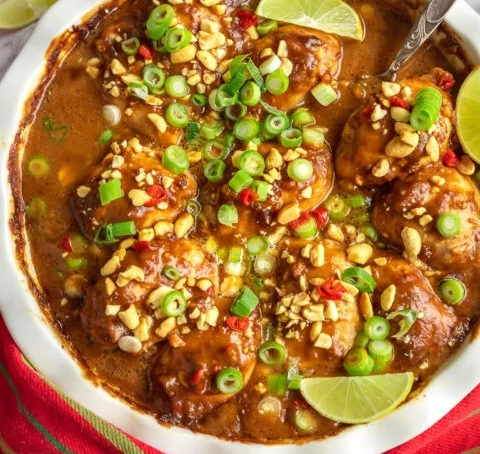
Global Flavor Twists
Once you have the base down, travel with your taste buds.
| Style | Key Additions/Substitutions | Best Paired With |
|---|---|---|
| Classic Thai | Use coconut milk as the liquid, add 1 tbsp red curry paste, and use lime juice. | Grilled satay skewers, fresh spring rolls, rice bowls. |
| Korean-Inspired | Swap soy sauce for 1.5 tbsp of gochujang, use rice vinegar, add 1 tsp sesame oil. | Bibimbap, as a marinade for grilled meats, drizzled over fried chicken. |
| African Peanut Stew Style | Add 1/2 tsp cumin, 1/4 tsp cinnamon, a pinch of cayenne. Use broth as the liquid. | As a simmering sauce for sweet potatoes and kale, or for braising chicken. |
| Simple Sesame-Ginger | Increase ginger to 1 tbsp, add 2 tsp toasted sesame oil, use honey. | Cold noodle salads, dumpling dip, cucumber slices. |
7 Ways to Use Your Spicy Peanut Sauce (Beyond Satay)
If this sauce only ever touches a chicken satay, you're missing 90% of its potential. It's a weeknight dinner superhero.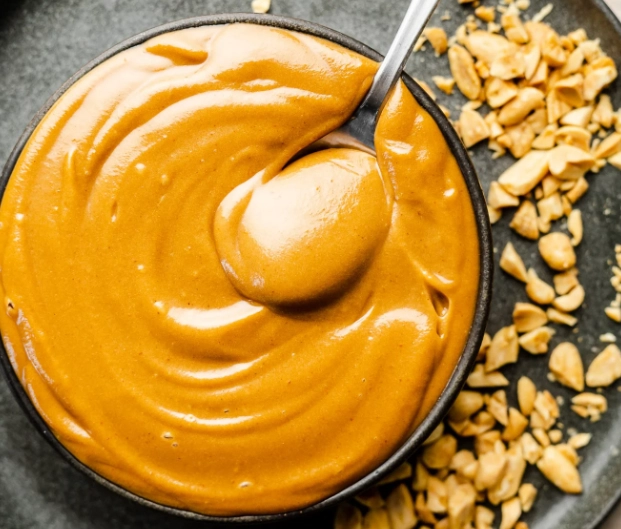
The Noodle Savior: Toss it with hot soba, udon, or rice noodles. Add shredded chicken, cucumber, and scallions. Dinner in 15 minutes. The sauce clings to every strand.
The Ultimate Veggie Dip: Raw bell peppers, broccoli, carrots, snap peas. It makes eating vegetables feel indulgent. Far better than any store-bought ranch.
The Stir-Fry Finisher: Cook your protein and veggies. In the last minute, add a few big spoonfuls of the sauce just to warm through. It creates an instant glossy coating without overcooking.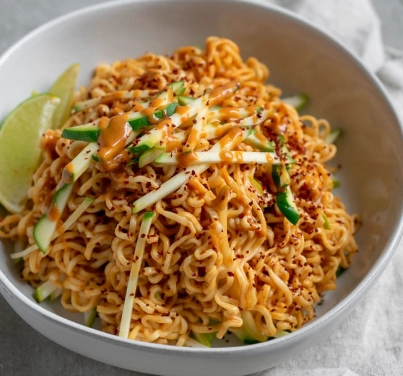
The Burger or Sandwich Spread: Swap out mayo or ketchup. Especially good on turkey burgers, veggie burgers, or in a chicken wrap with slaw.
The Grain Bowl Glue: Drizzle it over a bowl of quinoa or brown rice with roasted sweet potatoes, black beans, and avocado. It ties all the elements together.
The Salad Dressing (Thinned Out): Whisk in an extra 2-3 tablespoons of hot water or lime juice. Perfect for a crunchy cabbage salad or a chicken salad.
The Marinade: It works brilliantly for chicken thighs or tofu. Let it marinate for at least 30 minutes, then grill or bake. The sugars help with caramelization.
I make a double batch every Sunday. One jar for the fridge to use throughout the week, and one to experiment with new flavors.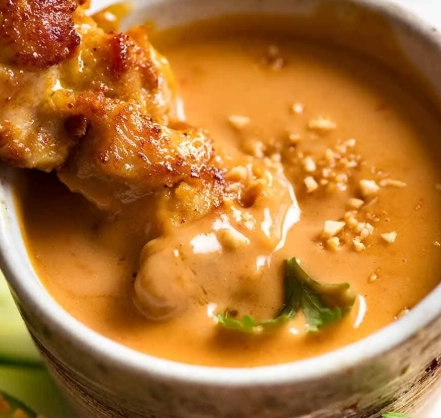
Reader Comments